
African leaders have warned that the renewed conflict in the Middle East is fuelling inflation, disrupting supply chains and worsening economic pressures across the continent. …reports Asian Lite News Desk
African leaders have expressed concern over the renewed conflict in the Middle East, warning that the escalating tensions are worsening Africa’s economic and security challenges through rising energy costs, disrupted supply chains and surging prices.
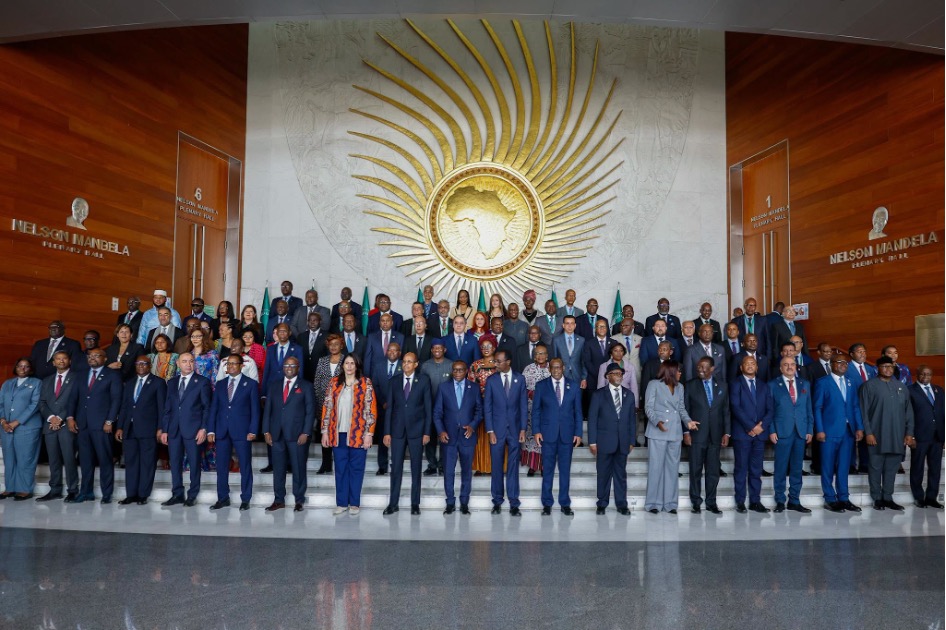
The issue dominated discussions at the 49th Ordinary Session of the Executive Council of the African Union (AU), which opened on Tuesday in Addis Ababa, Ethiopia.
Addressing the gathering, African Union Commission Chairperson Mahmoud Ali Youssouf said the continent was already experiencing the economic consequences of the renewed hostilities.
“The resumption of the conflict between Iran and the United States is causing runaway inflation. The supply chain is disrupted due to the closure of the Strait of Hormuz. The Bab el-Mandeb Strait is also threatened. Energy, grain and fertiliser prices are soaring,” Youssouf told delegates.
He said the impact was expected to persist for several months, citing assessments by the United Nations Economic Commission for Africa (UNECA) and the United Nations Development Programme (UNDP).
Youssouf warned that higher energy prices and disruptions to global trade routes were increasing the cost of living across many African countries, placing additional pressure on economies already facing multiple challenges.
UNECA Executive Secretary Claver Gatete said the international economic environment had become increasingly uncertain as the Middle East conflict continued to drive up the prices of fuel, food and fertilisers.
“Trade tensions, geopolitical fragmentation, conflicts including the conflict in the Middle East, climate shocks, declining development finance and high debt-servicing costs continue to impact investment and development prospects in Africa,” Gatete said.
He argued that the continent could no longer rely indefinitely on external financing to support its development and called for greater mobilisation of domestic resources to fund economic transformation.
Ethiopian Foreign Minister Gedion Timothewos said the international order was undergoing significant change, with Africa facing the consequences of geopolitical tensions, technological disruption, climate pressures and growing competition over strategic resources.
“We need to seize the moment to actively shape the contours of the new reality. We must become a strategic actor capable of providing African solutions to global challenges,” Timothewos said.
Despite the mounting challenges, he said Africa remained well placed to become a major driver of global economic growth in the second half of the 21st century.
The two-day Executive Council meeting has brought together foreign ministers from across the continent under the AU’s 2026 theme, “Assuring Sustainable Water Availability and Safe Sanitation Systems to Achieve the Goals of Agenda 2063.”
In addition to reviewing the impact of global geopolitical developments, participants are expected to discuss strategies to address some of Africa’s most pressing challenges, including expanding access to safe water, sanitation and hygiene while strengthening the continent’s long-term economic resilience.