
President Emmerson Mnangagwa says the election reflects growing international confidence in Zimbabwe’s leadership and diplomacy…reports Africa News Desk
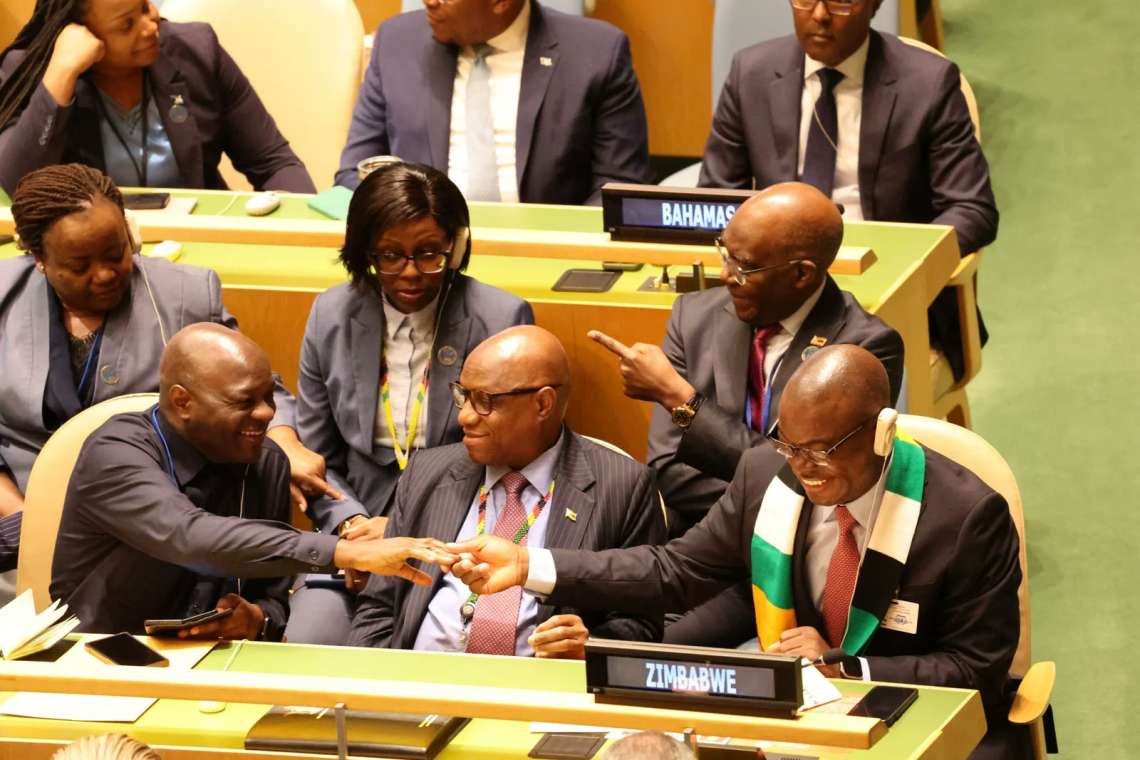
Zimbabwean President Emmerson Mnangagwa has welcomed his country’s election to the United Nations Security Council (UNSC) as a non permanent member for the 2027-2028 term, describing the result as a significant diplomatic milestone and a vote of confidence from the international community.
In a statement issued on Wednesday, Mnangagwa thanked UN member states for overwhelmingly supporting Zimbabwe’s candidacy and said the outcome reflected the success of the country’s diplomatic engagement and re engagement efforts.
“Today, Zimbabwe marks a significant diplomatic milestone as the nation has been elected as a non permanent member of the United Nations Security Council,” the president said.
Mnangagwa said the victory demonstrated growing international trust in Zimbabwe’s leadership and commitment to promoting peace, security and multilateral cooperation.
He added that Zimbabwe would use its position on the council to advocate for a more equitable global order while strengthening Africa’s voice on international issues.
Zimbabwe was elected alongside Austria, Kyrgyzstan, Portugal, and Trinidad and Tobago to serve two year terms on the 15 member Security Council. The newly elected countries will take up their seats on January 1, 2027, replacing Denmark, Greece, Pakistan, Panama and Somalia, whose terms expire at the end of 2026.
The election marks Zimbabwe’s third term as a non permanent member of the Security Council, having previously served in 1983-1984 and 1991-1992.
Under UN rules, candidates for non permanent seats must secure the support of two thirds of member states present and voting in the General Assembly. If all 193 member states participate, at least 129 votes are required for election.
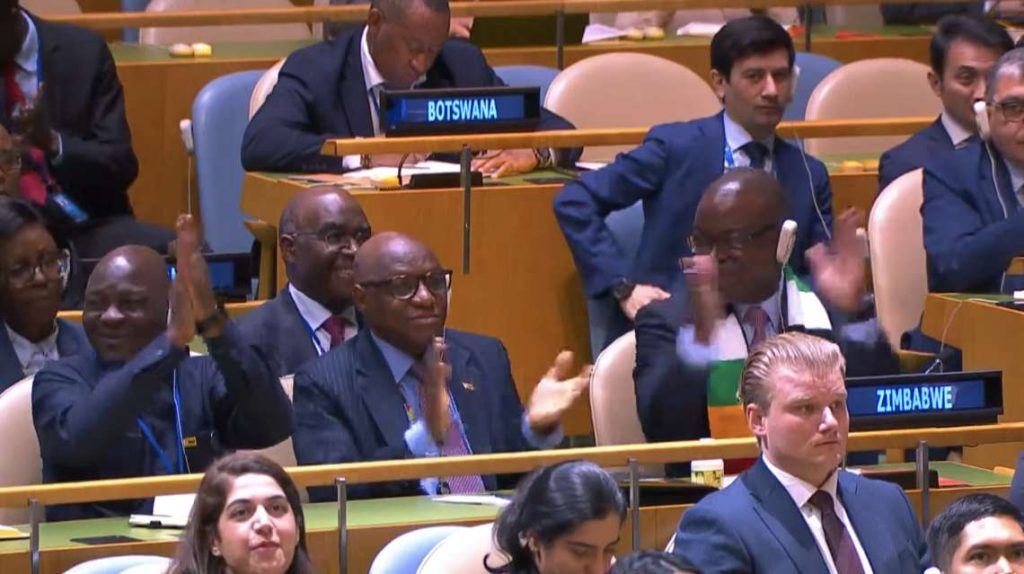
Seven countries contested the five available seats this year. Austria, Portugal, Trinidad and Tobago, and Zimbabwe secured election in the first round of voting, while Kyrgyzstan won the final seat after defeating the Philippines following three additional rounds.
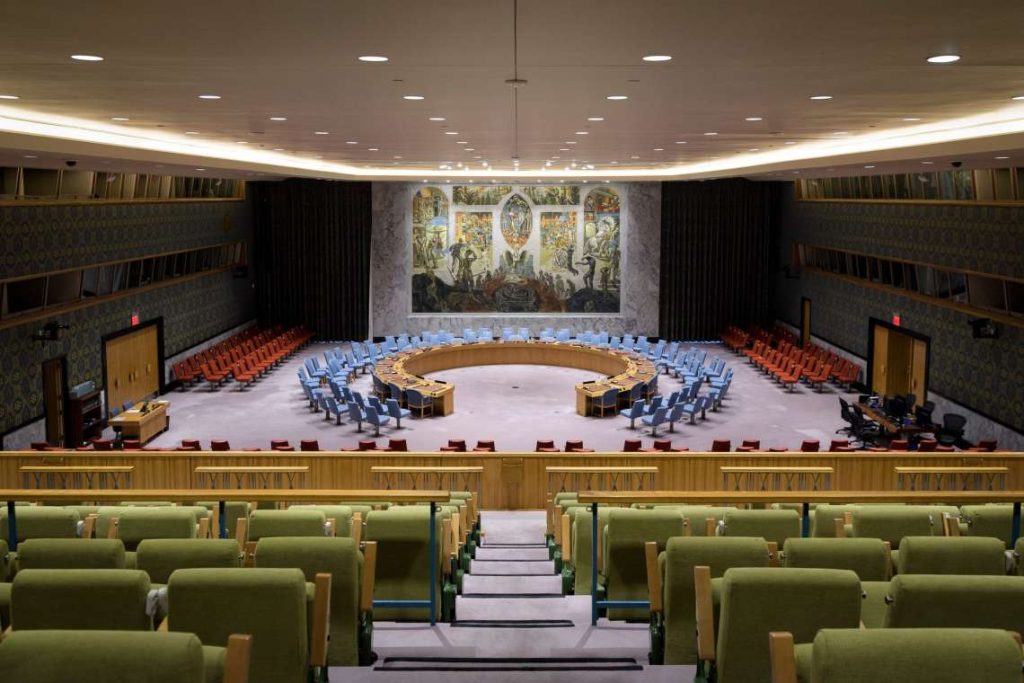
The Security Council consists of 15 members, including five permanent members with veto powers: United Kingdom, China, France, Russia and the United States.
The remaining 10 seats are allocated among regional groups and are filled through elections held annually, with five seats renewed each year.
Widely regarded as the United Nations’ most powerful body, the Security Council is responsible for maintaining international peace and security. It has the authority to adopt legally binding resolutions, impose sanctions and authorise the use of force in response to international crises.
Zimbabwe’s election comes as African nations continue to call for greater representation and influence within global governance institutions, including the United Nations system.