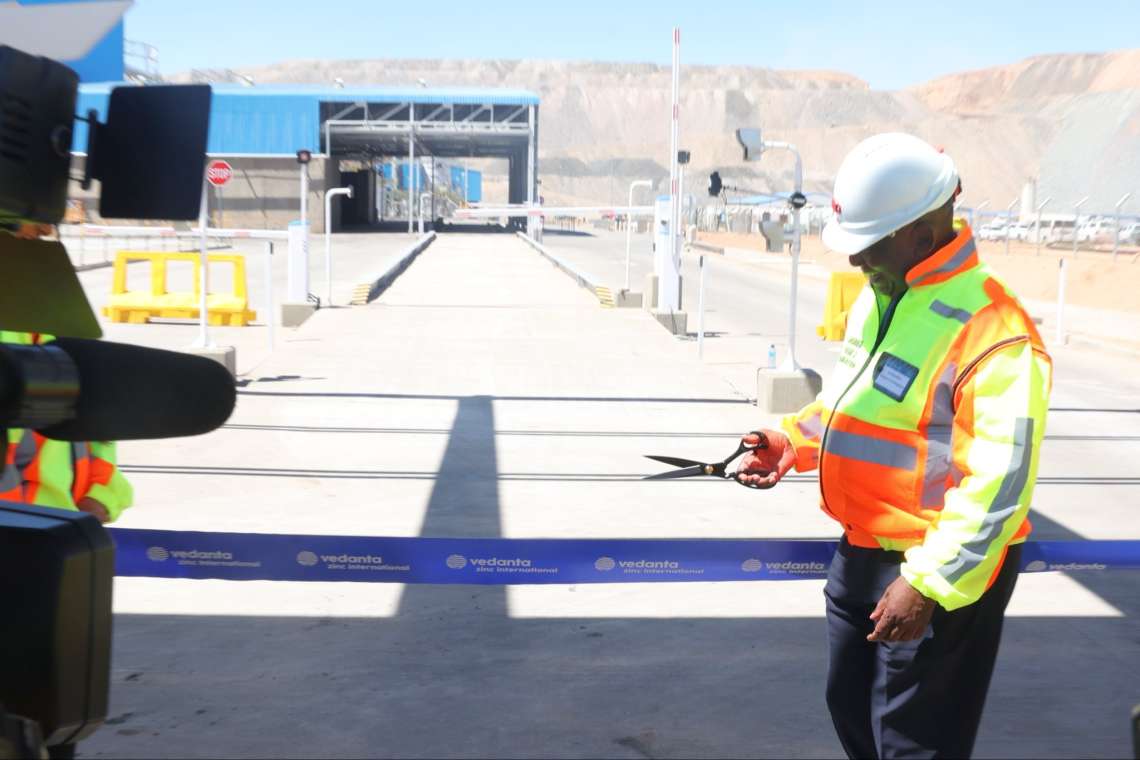

Zimbabwe and South Africa are seeking to turn their historic ties into stronger trade, investment and industrial cooperation, with bilateral trade already exceeding $5 billion….reports Africa Daily News Desk
Zimbabwe and South Africa have reaffirmed their commitment to deepening bilateral ties, with officials highlighting opportunities to expand trade, investment, infrastructure and industrial cooperation.
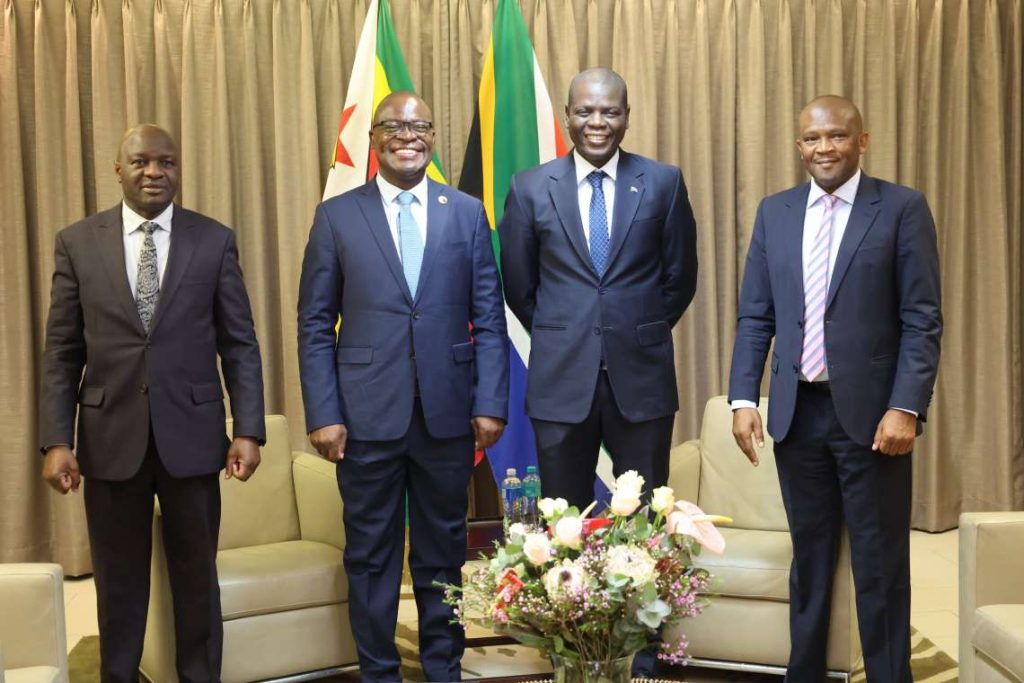
Zimbabwean Foreign Affairs and International Trade Minister Professor Amon Murwira described relations between the two countries as “excellent, solid and enduring”, rooted in their shared liberation history and longstanding peace and security ties.
Speaking while co-chairing the Ministerial Segment of the fourth Session of the South Africa-Zimbabwe Bi-National Commission in Pretoria, Murwira said the two countries were determined to use their strong relationship to boost industrial cooperation, trade and tourism.
He noted that bilateral trade currently exceeds $5 billion, with significant potential for further growth.
Murwira also called for stronger cooperation in education, science, technology, innovation and culture, while emphasising the importance of social cohesion and preserving the historical and cultural links between the two nations.
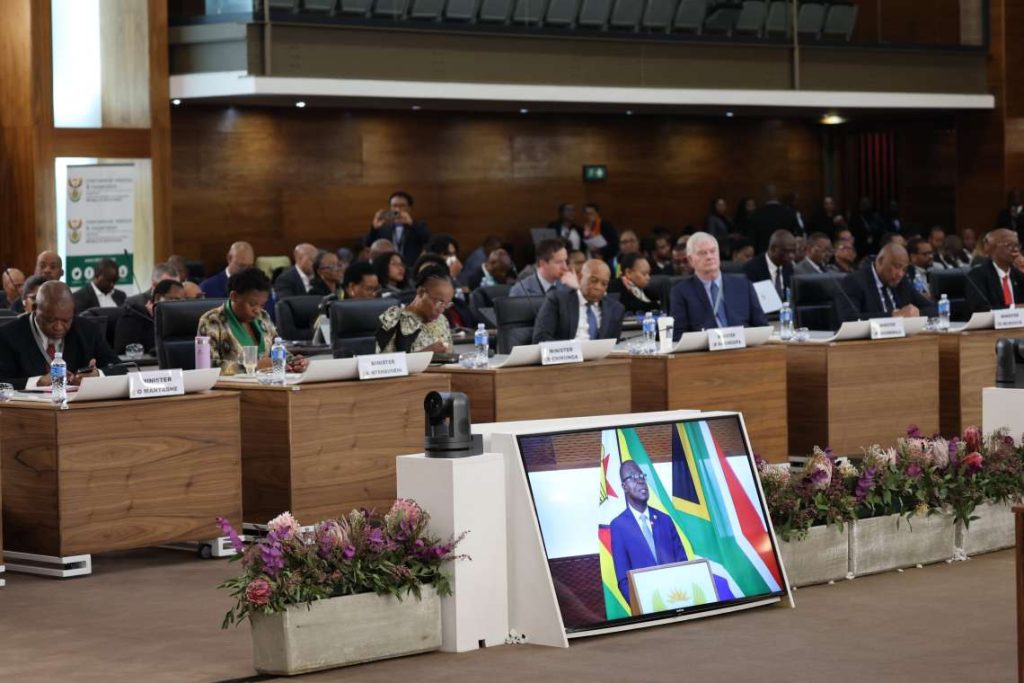
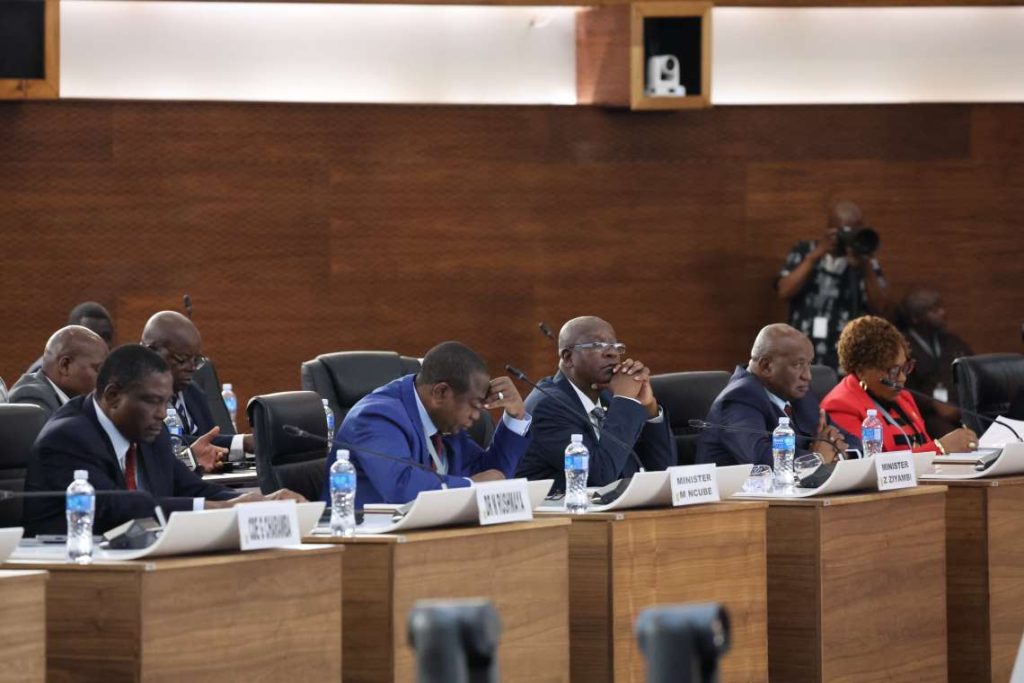
He said Zimbabwe and South Africa should work together to address shared development challenges, particularly poverty, and view each other as partners in creating prosperity rather than competitors.
South Africa’s Minister of International Relations and Cooperation and BNC Co-Chair Ronald Lamola said the countries’ strong political relationship and geographical proximity offered significant opportunities for deeper economic cooperation.
Lamola highlighted the need to strengthen the North-South Corridor through modernised road and rail infrastructure, improved border management and more efficient logistics.
He also called for greater cooperation in energy, water security, agriculture, migration and digital connectivity.
The two countries are seeking to expand trade and investment, strengthen agricultural value chains, promote mineral beneficiation and encourage joint ventures, technology transfer and industrial cooperation.
The Bi-National Commission is expected to provide a platform for translating the countries’ historic relationship into practical programmes focused on trade, investment, infrastructure, energy and food security.
The two sides said closer cooperation would also support regional integration and broader economic development across Southern Africa.