
WHO warns of rapidly expanding Ebola outbreak in DR Congo, cases spread to Uganda…reports Africa News Desk
The World Health Organization (WHO) has warned that the ongoing Ebola outbreak in the Democratic Republic of the Congo (DRC) is expanding rapidly, with increasing case numbers, a widening geographic spread and confirmed cross border transmission into neighbouring Uganda.
In its latest assessment, the UN health agency classified the risk posed by the outbreak as “very high” within the DRC and “high” in Uganda and other neighbouring countries that share borders with affected areas. The risk remains low across the rest of Africa and globally, WHO said.
According to data released by the organisation, the DRC had recorded 515 confirmed Ebola cases and 91 deaths as of Sunday. Uganda has reported 19 confirmed infections, including two deaths and one probable fatal case linked to the outbreak.
WHO said all cases identified in Uganda are epidemiologically linked to the outbreak in the DRC, with evidence showing both imported infections and secondary transmission among close contacts and healthcare workers.
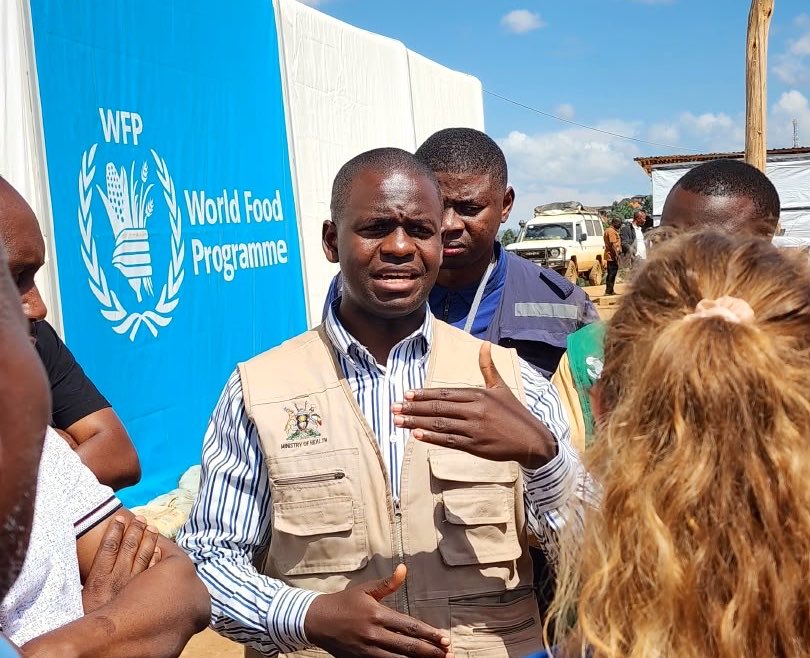
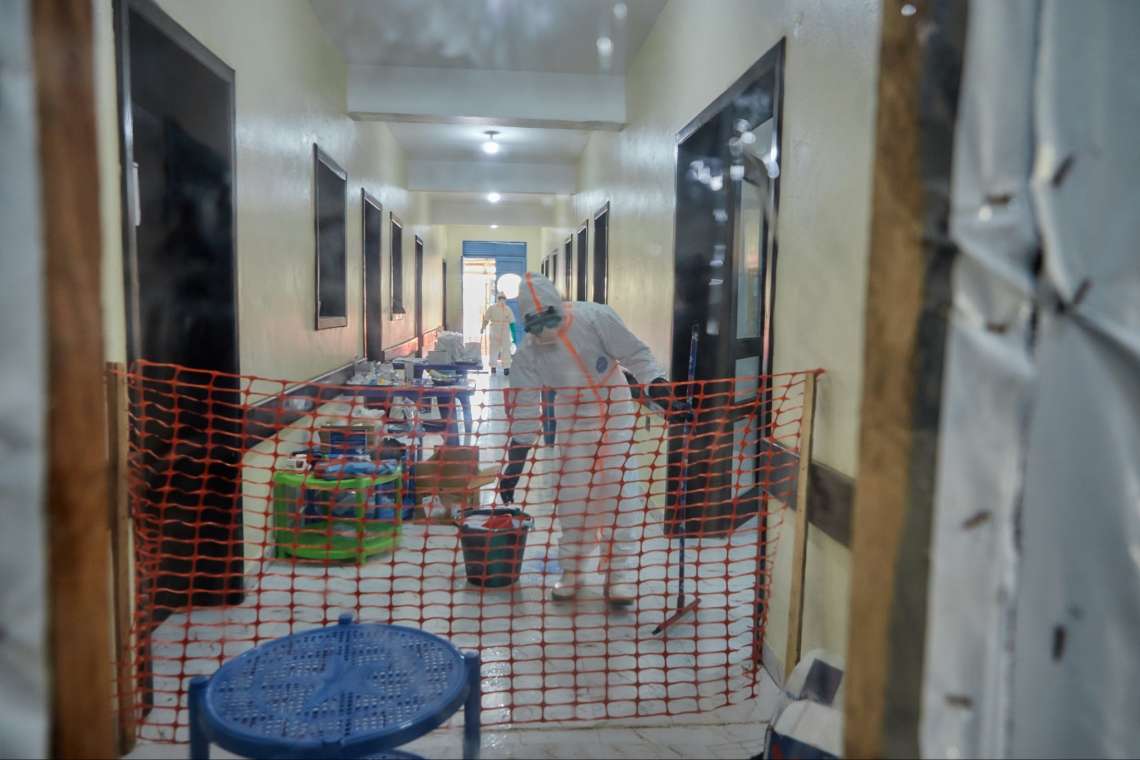
Health authorities in both countries, supported by WHO and international partners, have intensified efforts to contain the outbreak and prevent further spread.
On June 5, the Africa Centres for Disease Control and Prevention and WHO launched a joint continental preparedness and response plan aimed at strengthening surveillance, detection and emergency response capacities across Africa.
The initiative is seeking funding of 518 million US dollars to support countries at risk and help contain the outbreak before it spreads further across the region.
The current outbreak involves Bundibugyo virus disease, a severe and often fatal form of Ebola. The disease is caused by the Bundibugyo strain of the Ebola virus, which is less common than the Zaire strain responsible for several major outbreaks in the past but is still capable of causing serious illness and death.
Scientists believe the virus originates in fruit bats and can be transmitted to humans through contact with infected animals. Human to human transmission occurs through direct contact with the blood, secretions or other bodily fluids of infected individuals.
Health experts note that infected people are not contagious until symptoms appear. The incubation period for the disease ranges from two to 21 days.
Symptoms typically include fever, fatigue, muscle pain, headaches and sore throat, which can progress to vomiting, diarrhoea, internal bleeding and organ failure in severe cases.
The outbreak was officially declared on May 15 after health authorities identified clusters of infections in eastern parts of the DRC. Since then, public health teams have been working to trace contacts, isolate cases, strengthen border screening measures and raise awareness among communities.
WHO said the emergence of cases in Uganda underscores the challenges of controlling infectious disease outbreaks in regions with frequent cross border movement and close economic and social ties.
Ebola disease was first identified in 1976 during nearly simultaneous outbreaks in what was then Zaire, now the Democratic Republic of the Congo, and Sudan, now South Sudan. Since then, several outbreaks have occurred across Central and West Africa, with some resulting in significant loss of life.
The WHO stressed that continued international cooperation, rapid case detection and adequate funding will be critical to preventing the current outbreak from escalating into a wider regional health emergency.