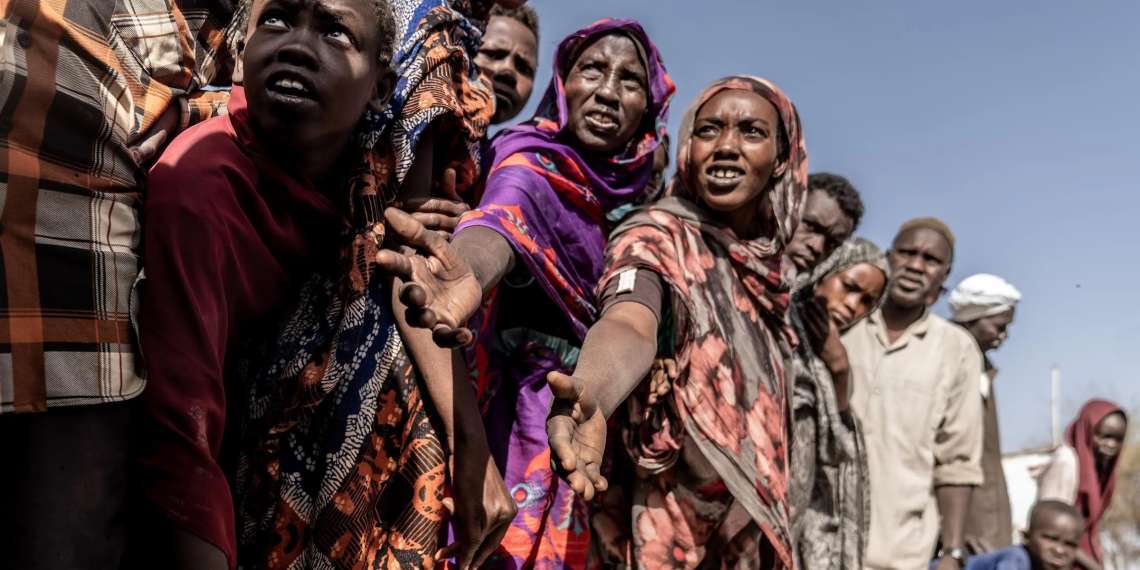

More than two-thirds of Sudan’s population needs lifesaving assistance as fighting, drone strikes and displacement intensify….reports Africa daily News Desk
More than two-thirds of Sudan’s population is in urgent need of lifesaving assistance as fighting, drone strikes, displacement and deteriorating access continue to deepen the country’s humanitarian crisis, UN humanitarian chief Tom Fletcher told the Security Council.
Briefing the Council on Monday, Fletcher said 1,400 civilians had been killed in Sudan during the first half of 2026, with more than 1,100 deaths attributed to drone strikes.
In North Kordofan’s El Obeid, drones have targeted markets, fuel stations and critical power and water infrastructure, while fighting has forced around 15,000 families into the city since mid-July, putting additional pressure on already overstretched displacement sites and basic services.
Fletcher said further air strikes had been reported southwest of El Obeid in the 72 hours before his briefing, stressing the urgent need for civilian protection and de-escalation.
Humanitarian access is also being hampered by fighting and deteriorating road conditions in South Kordofan, particularly as the rainy season intensifies. Dilling and Kadugli, which remain key humanitarian priorities, are currently accessible, but access to other areas remains severely restricted.
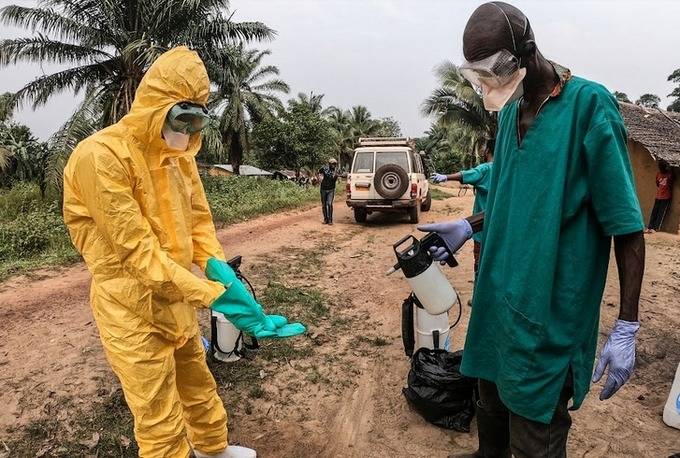
Fletcher expressed particular concern over West Kordofan, the centre of a recent cholera outbreak, where humanitarian operations remain limited. In the Nuba Mountains, escalating violence has cut communities off from assistance, while humanitarian facilities have been looted and aid workers detained.
Renewed fighting in Blue Nile has displaced thousands over the past two weeks, with heavy rains further complicating the humanitarian response. The state is now hosting more than 370,000 displaced people, while some civilians have crossed into neighbouring Ethiopia.
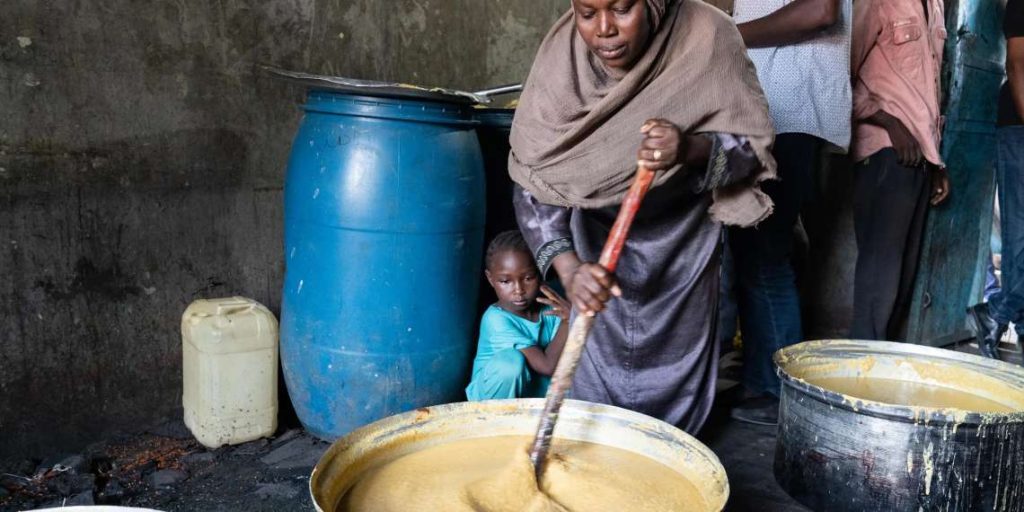
Fletcher also warned of continuing ground fighting and drone attacks in northwestern North Darfur, where heavy rains are making key humanitarian routes increasingly difficult to reach.
In other parts of Darfur, hundreds of thousands of people who fled atrocities in El Fasher last year remain in desperate need of assistance, including in Tawila, which Fletcher said he had visited recently.
Despite the severe access challenges, humanitarian agencies have reached nearly 11 million people with at least one form of assistance by mid-year, representing 52 per cent of their prioritised target.
The UN is on track to reach its food assistance target of 11.4 million people but remains behind schedule in areas including education, healthcare, shelter and water.
Fletcher said humanitarian agencies had also reached 1.7 million people facing the highest levels of combined humanitarian needs, exceeding the target of 1.5 million. He cited progress in Tawila and Kadugli and said humanitarian air services had been expanded, while more operational capacity had been shifted from Port Sudan to Khartoum.
He also reported progress in reducing bureaucratic obstacles facing humanitarian operations and thanked Sudanese authorities and the Government of Chad for keeping the Adre border crossing open, which has enabled aid deliveries to millions of people across Darfur.
However, funding remains a major concern. Fletcher said the UN had received just over 40 per cent of the $2.87 billion required for its highly prioritised humanitarian plan, despite being two-thirds of the way through the year.
The Regional Refugee Response Plan is facing an even larger shortfall, with only 17 per cent of the $1.59 billion required to assist refugees and host communities across seven neighbouring countries having been secured.
Fletcher said Sudanese refugees and displaced people inside the country were being increasingly affected by the funding shortages, while neighbouring countries continued to keep their borders open to people fleeing the conflict.
In a stark appeal to the Security Council, Fletcher said Sudan did not lack analysis but suffered from a lack of action.
“The people of Sudan need food, water and medicine. Yet the world sends drones, weapons and mercenaries,” he said.
He also called for sustained diplomacy, warning that the Sudanese people needed peace and dignity while their country was increasingly being drawn into a wider regional struggle for power, gold and influence.
“The tragedy of Sudan is not that we do not know what to do. It is that we have not yet found the will to do it,” Fletcher said.