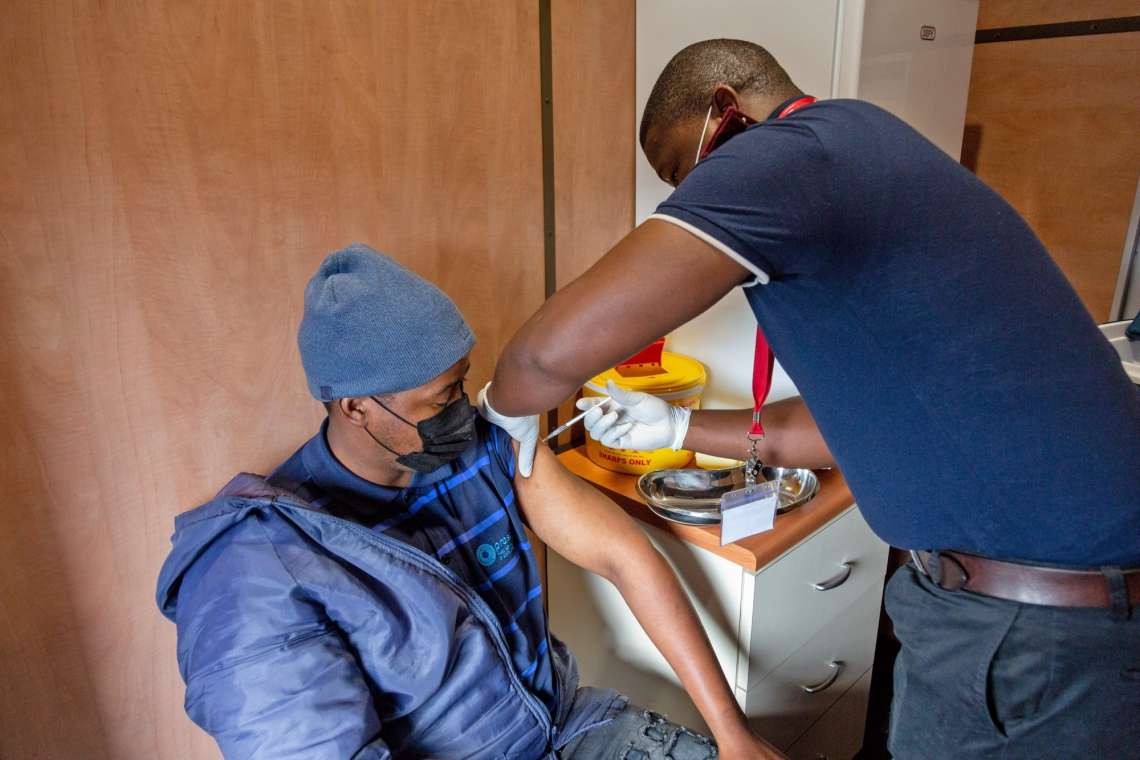

A key UK-backed health initiative in Africa is set to shut down following aid cuts. Experts warn the move could weaken global pandemic preparedness…reports London Daily News Network
A flagship health initiative in Africa that British ministers once described as crucial for protecting the UK from future pandemics is being shut down following cuts to the country’s overseas aid budget.
The Global Health Workforce Programme (GHWP), which supported the development and training of healthcare workers across six African nations, will close at the end of March, according to the UK’s Foreign, Commonwealth and Development Office (FCDO). The decision comes amid wider reductions in Britain’s international aid spending.
The programme operated in Ghana, Kenya, Nigeria, Ethiopia, Malawi and Somaliland, focusing on strengthening health systems and training medical staff to respond to public health challenges. Since its launch, the initiative had been highlighted by ministers as a key measure to improve global pandemic preparedness and to address workforce shortages in countries that supply healthcare workers to the UK’s National Health Service and social care sector.
Ben Simms, chief executive of Global Health Partnerships, the organisation that ran the programme, described the decision as a major setback for global health collaboration.
“This is a genuinely historic decision, and the UK now risks ceding ground in global health that we will struggle to recover,” Simms said, warning that years of partnership-building could unravel.
Similar programmes have been in place since 2008, with each funding cycle typically renewed. The current three-year contract was expected to continue beyond March, as previous versions had done.
In 2023, when the programme’s funding was renewed under former prime minister Rishi Sunak’s Conservative government, then health minister Will Quince emphasised its global importance.
“This funding aims to make a real difference in strengthening the performance of health systems in each of the participating countries,” Quince said at the time. “The pandemic showed us that patients in the UK are not safe unless the world as a whole is resilient against health threats.”
Projects funded under the initiative included training healthcare staff to address gender-based violence and related health risks. In Kenya’s Homa Bay county, the Power for the People Africa Trust has been working with community health workers to tackle gender-based violence, teenage pregnancies and HIV infections.
Caren Okombo of the trust warned that progress made in reducing infections could be reversed if funding ends.
“New HIV infections in Homa Bay today may eventually cross borders,” she said. “Stopping them where they start should be important for a country like Britain as well.”
The closure follows a broader reduction in UK overseas aid spending. The Labour government announced last year that it would cut aid from 0.5 per cent to 0.3 per cent of GDP to increase military spending, after a previous reduction from 0.7 per cent under former prime minister Boris Johnson.
Responding to a parliamentary question about the programme, FCDO minister Chris Elmore confirmed that the GHWP would end this month.
“The UK should be proud of the progress made in international development this century,” Elmore said. “But the world has changed, and with less money we must make choices and focus on greater impact.”
He added that the government was working to ensure projects could remain sustainable beyond the programme’s lifespan.
However, Global Health Partnerships warned that long-term health initiatives require sustained funding and commitment.
“Partnerships cannot survive on goodwill alone,” the organisation said, adding that once funding links are broken, rebuilding them can be extremely difficult.