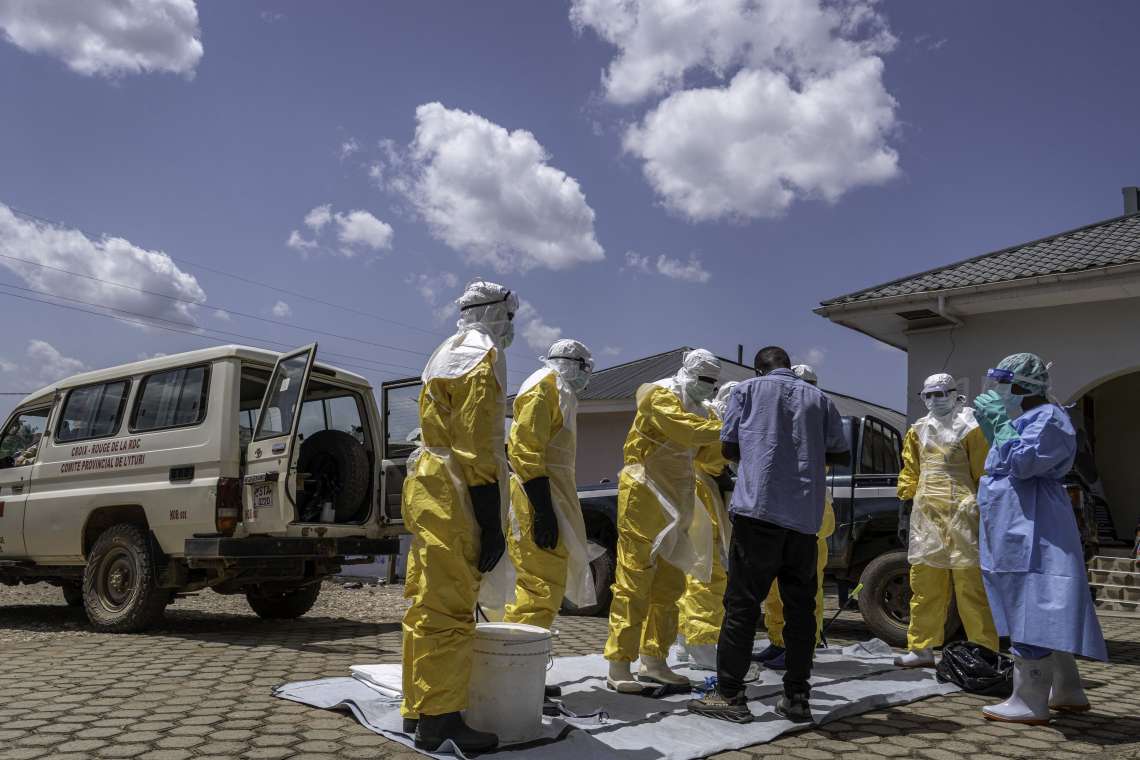

Uganda has closed its border with the Democratic Republic of the Congo in an effort to contain a rare Ebola outbreak linked to cross-border transmission. The World Health Organisation has criticised the move, warning it may increase the risk of spread through unmonitored crossings…reports Asian Lite News Desk
Uganda has ordered the immediate closure of its border with the Democratic Republic of the Congo (DRC) in response to a growing outbreak of a rare strain of Ebola, amid concerns over cross-border transmission and rising infections among health workers.
The decision was taken by the national Ebola task force, chaired by Vice President Jessica Alupo, following reports that Ugandan health workers had been exposed to the virus through contact with infected patients who had crossed into the country from the DRC before the outbreak was officially declared on 15 May.
Health authorities have confirmed that Uganda has recorded seven cases of the rare Bundibugyo ebolavirus strain, including the death of a man in the capital, Kampala. Officials say the situation remains under close surveillance as contact tracing and containment efforts continue in affected areas.
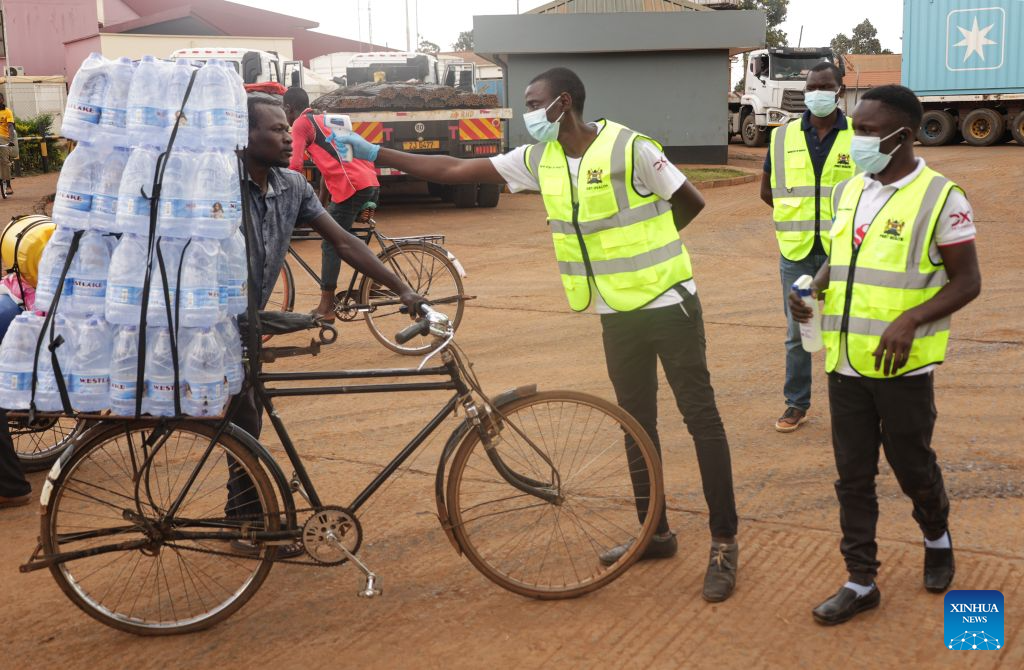
The closure of the border is aimed at limiting further importation of cases, particularly in light of concerns that informal and unofficial crossing points could be used to bypass restrictions. However, the move has drawn criticism from the World Health Organisation (WHO), which said such measures lack a scientific basis in controlling Ebola outbreaks and may have unintended consequences.
The WHO warned that border closures can disrupt the movement of people and essential goods, potentially pushing travellers towards unmonitored routes where infection control measures are weaker, increasing the risk of further spread. The organisation’s comments come despite its recent declaration that the outbreak constitutes a public health emergency of international concern.
In neighbouring DRC, health authorities are struggling to contain the epidemic under difficult conditions. Suspected cases are approaching 1,000, with 220 suspected deaths and 101 laboratory-confirmed infections reported so far, according to official figures cited by health agencies.
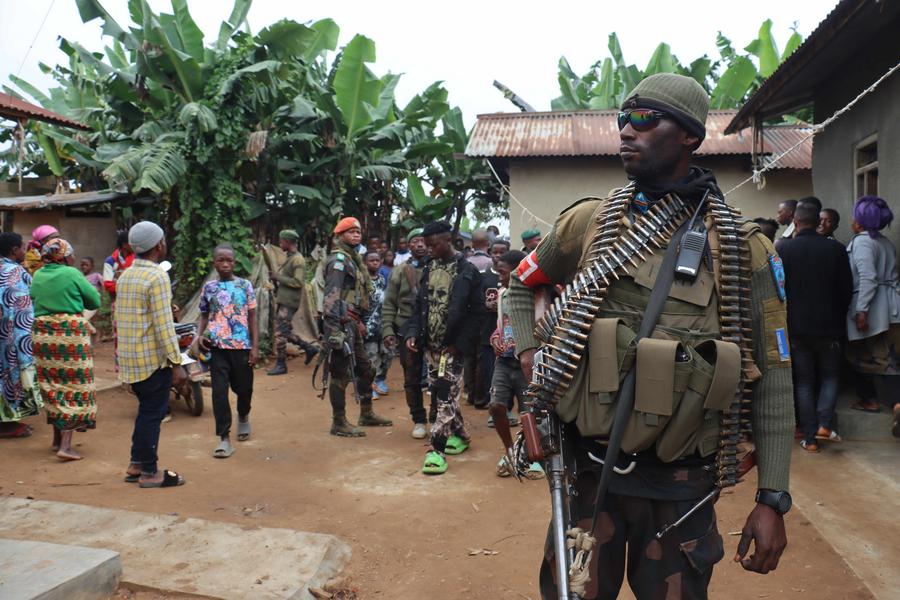
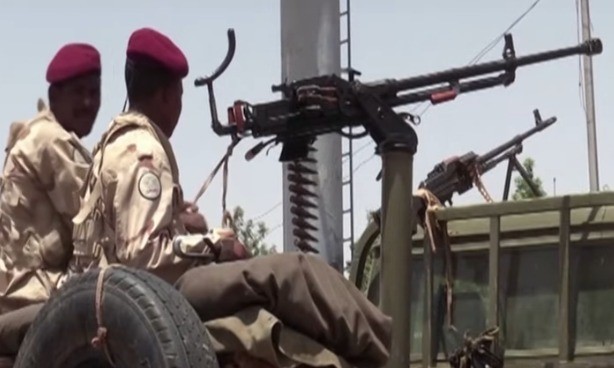
The response effort in the DRC has been hampered by a combination of delayed identification of the rare strain, ongoing insecurity linked to armed groups, large-scale population displacement and limited healthcare infrastructure in affected regions. These factors have complicated efforts to track and isolate cases, raising concerns among regional health officials.
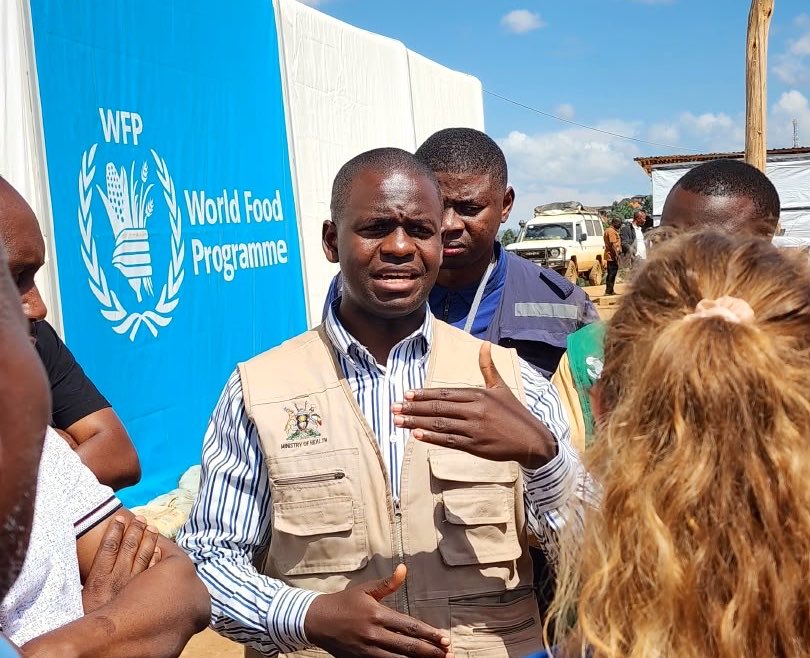
In Uganda, Dr Diana Atwine, Permanent Secretary at the Ministry of Health, said the number of people exposed locally continues to rise, particularly among frontline healthcare workers. She noted that infected health workers present a significant risk of secondary transmission to their families and wider communities, underscoring the urgency of containment measures and infection control protocols.
Authorities in both countries continue to coordinate with international partners as they seek to contain the outbreak and prevent further regional spread. Surveillance and emergency response teams have been deployed in affected districts, while public health messaging is being intensified to encourage early reporting of symptoms and adherence to preventive measures.