
Renewed anti-migrant protests, two Nigerian deaths and an unofficial deportation deadline have reopened tensions between Nigeria and South Africa after recent diplomatic efforts, reports Africa Daily News Desk
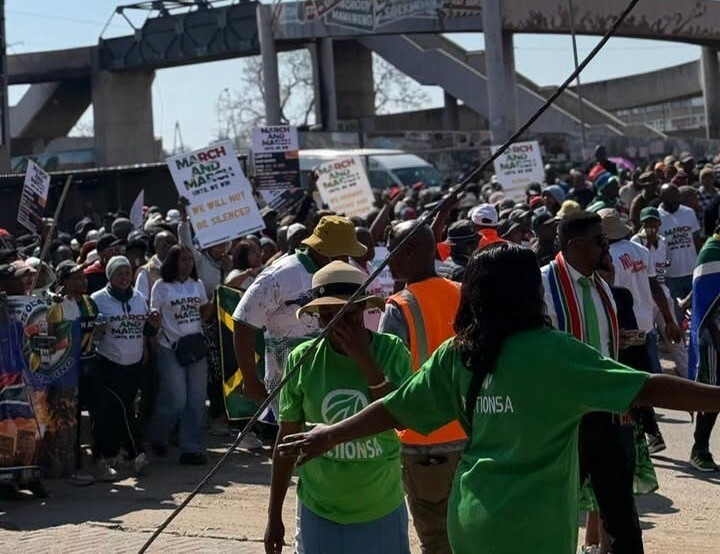
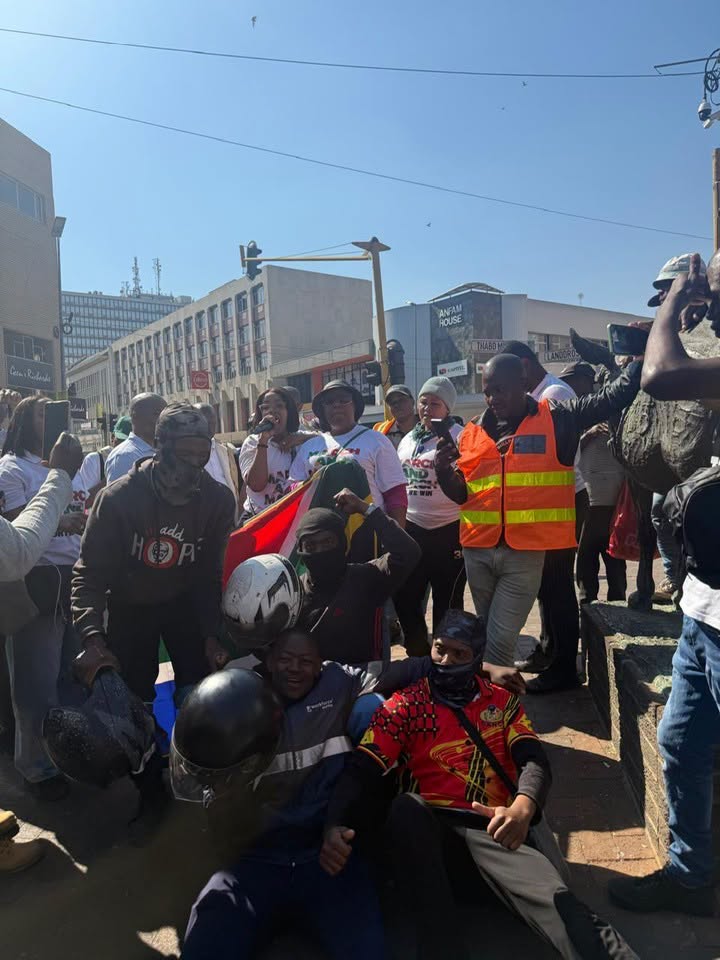
Nigeria and South Africa are facing a fresh diplomatic rift after renewed anti-migrant protests, the deaths of Nigerian nationals and an unofficial deadline for undocumented migrants to leave the country have reignited tensions between the two African powers.
The latest tensions come only months after Pretoria and Abuja attempted to repair relations through high-level diplomatic talks. Nigerian officials say the renewed violence is now forcing some Nigerians in South Africa to close businesses, leave the country or seek greater security, while others have kept children away from school.
The latest unofficial deadline, reportedly set by anti-migrant groups, calls on undocumented foreigners to leave South Africa by the end of September. The demand has no legal force, but it has heightened anxiety among migrant communities and triggered renewed diplomatic concern in Nigeria.
Nigeria’s National Assembly has responded by suspending official visits to South Africa and ordering lawmakers to boycott legislative activities hosted by South African institutions. The decision followed reports of Nigerians being killed, injured, displaced and forced to abandon homes, businesses and investments.
The parliamentary suspension applies to visits by lawmakers, committees, officials and staff, as well as conferences, seminars, workshops and other legislative engagements.
Nigeria says 98 of its citizens have died in mob attacks, hate-related incidents and other violence in South Africa since 2022. Reuters reported that 1,695 Nigerians had also been voluntarily evacuated from the country in 2026 as anti-migrant tensions intensified.
Two more deaths reported this month have added to the pressure.
Nigeria’s Foreign Ministry said James Uchechukwu Nwankwo died after an incident involving South African police in Cape Town on September 5, while Bishop Taiwo Michael Fakunle was killed at his home in Johannesburg on September 4. South African authorities have not established a motive for Fakunle’s killing, while the circumstances surrounding Nwankwo’s death remain contested.
The renewed dispute follows attempts by both governments to ease tensions. In July, South African Foreign Minister Ronald Lamola travelled to Abuja as President Cyril Ramaphosa’s special envoy for talks with Nigerian officials.
South Africa said the discussions were aimed at restoring goodwill and strengthening bilateral relations. Pretoria identified migration, governance and regional security as key areas requiring closer cooperation.
South African officials have also raised concerns about the alleged involvement of some Nigerian nationals in organised crime, drug trafficking and financial fraud. Pretoria said more than 500 Nigerian nationals had been processed through the South African criminal justice system for various offences as of July 7.
The South African government has also been implementing a broader migration strategy, including increased labour inspections of businesses suspected of employing undocumented foreign nationals and measures aimed at strengthening immigration enforcement.
However, the renewed protests have again put the spotlight on xenophobia in South Africa. Migrants from across Africa have repeatedly faced hostility amid high unemployment, crime concerns and pressure on public services, with foreigners sometimes blamed for problems affecting local communities.
Nigeria’s government has increasingly linked the issue to the safety of its citizens and the need for stronger action by South African authorities.
The parliamentary boycott marks a significant escalation because the dispute is no longer limited to diplomatic statements. It now affects formal legislative exchanges between the two countries, which are among Africa’s most influential economies and political powers.
South Africa and Nigeria have historically maintained extensive economic and diplomatic ties, while large Nigerian and other African migrant communities live and work in South Africa.
For Pretoria, the challenge is to enforce immigration laws while preventing legitimate concerns over irregular migration from turning into attacks on foreign nationals. For Abuja, the renewed violence has created growing pressure to protect Nigerians abroad while keeping diplomatic channels open.