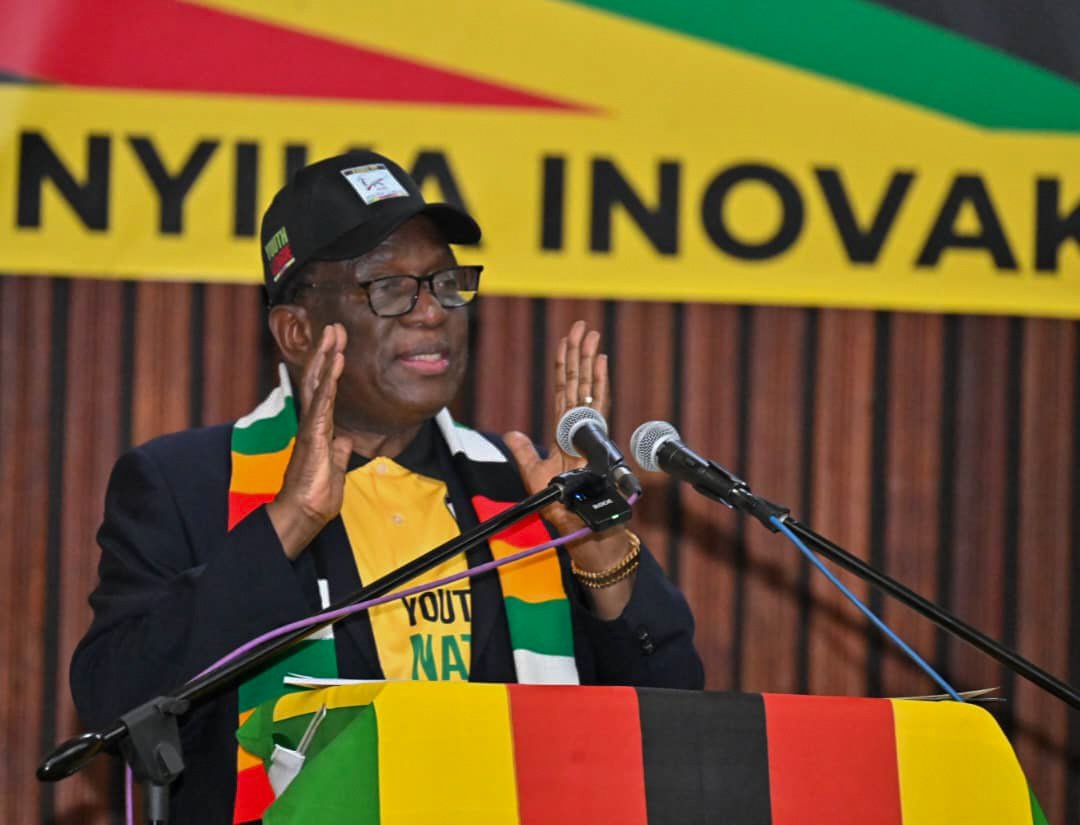

Constitutional amendment would extend presidential and parliamentary terms from five to seven years and delay elections until 2030….reports Africa Daily News Desk
Zimbabwe’s lower house of parliament has approved a constitutional amendment bill that would extend presidential and parliamentary terms from five to seven years, potentially allowing President Emmerson Mnangagwa to remain in office until 2030, according to a BBC report.
The legislation secured the backing of 216 lawmakers during a vote on Thursday, comfortably exceeding the two thirds majority required to amend the constitution. Forty two legislators voted against the measure.
The bill now moves to the Senate, where it is widely expected to gain approval before being signed into law by Mnangagwa.
According to the BBC, the amendment introduces sweeping changes to Zimbabwe’s political system. It abolishes direct presidential elections, a practice in place since 1990, and provides for future presidents to be elected by parliament. It also extends the terms of both the president and parliament from five years to seven years and postpones the next general election, originally due in 2028, until 2030.
If enacted, the changes would allow Mnangagwa, whose second and constitutionally final term is scheduled to end in 2028, to remain in power for an additional two years.
The vote marks the culmination of a campaign by the ruling Zanu PF party, which has governed Zimbabwe since independence in 1980. The proposed amendments received cabinet approval earlier this year.
Mnangagwa, 83, came to power in 2017 after the military backed the removal of long time leader Robert Mugabe. He later won elections in 2018 and 2023, both of which were disputed by opposition parties.
Opposition groups, civil society organisations and constitutional lawyers have criticised the amendment, arguing that such significant constitutional changes should be decided through a national referendum rather than by parliament alone.
The debate has also focused on provisions contained in Zimbabwe’s 2013 constitution, which limits presidents to two terms and stipulates that any extension of presidential term limits must be approved by voters through a referendum. The constitution further states that a sitting president cannot benefit from such an extension without separate voter approval.
The BBC reported that Zimbabwe’s Constitutional Court on Wednesday dismissed a legal challenge seeking to block the bill, clearing the way for Thursday’s parliamentary vote.
The proposed reforms have intensified political debate in Zimbabwe, with critics warning of democratic backsliding while supporters argue the changes would provide continuity and stability in government.