
President Assimi Goïta says operations will continue as nationwide assaults leave top defence officials dead…reports Africa Newsdesk
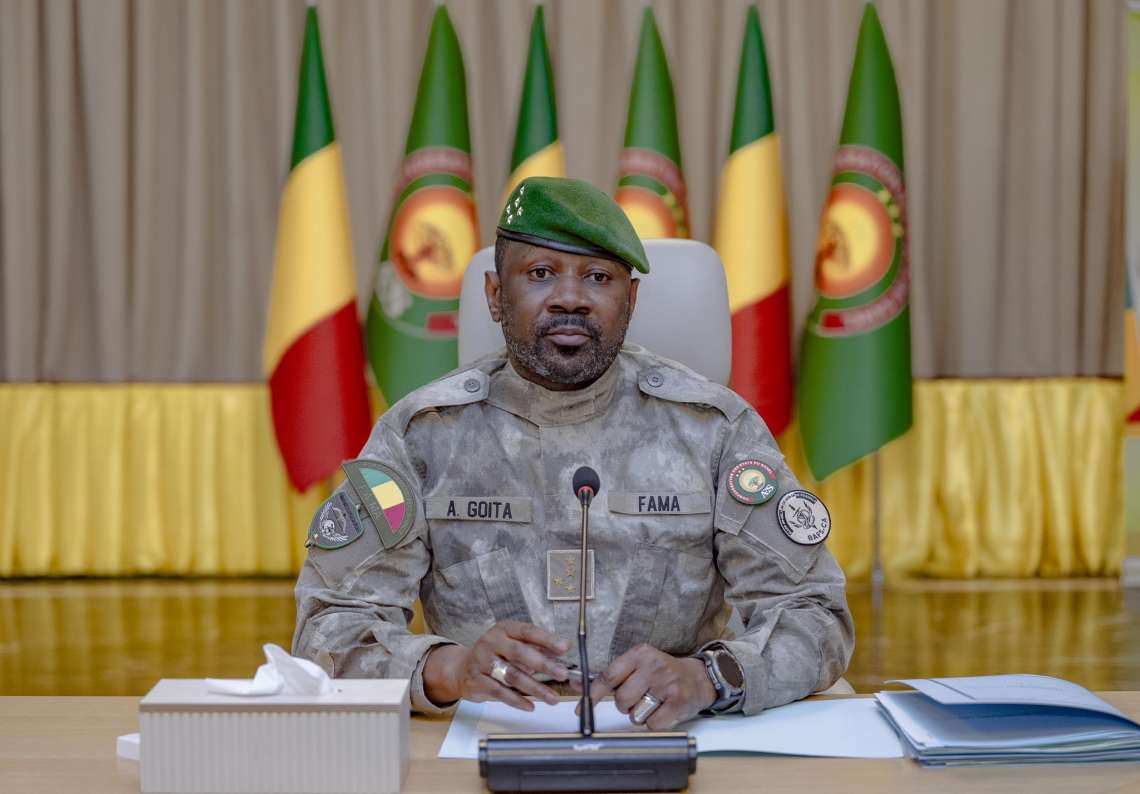
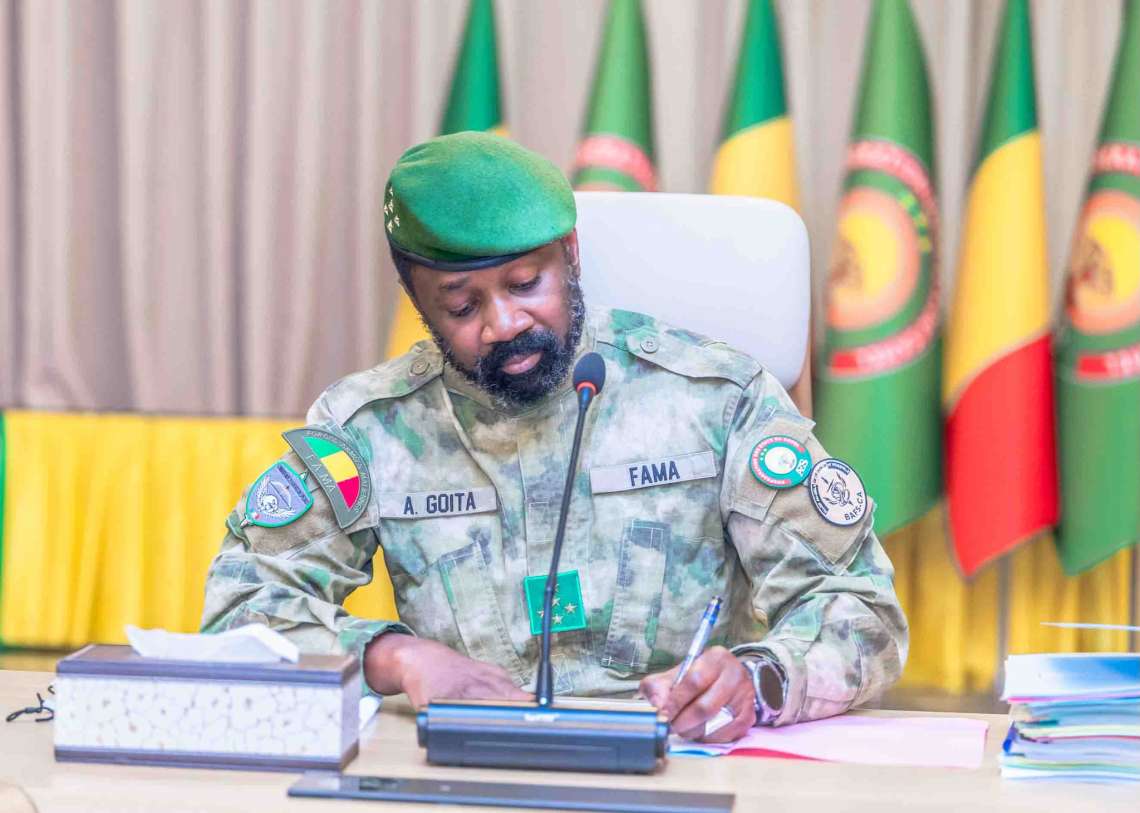
Mali’s transitional president Assimi Goïta has vowed to continue military operations until all groups behind the deadly April 25 attacks are neutralised and security is fully restored across the country.
In a televised address on Tuesday evening, Goïta described the attacks as “complex, coordinated and simultaneous”, targeting the capital Bamako along with Kati, Mopti, Gao and Kidal.
He said the attackers had attempted to spread fear and chaos but were met with a swift and professional response from Mali’s defence and security forces.
According to Goïta, the security situation is now under control, with reinforced deployments and ongoing search, intelligence gathering and counterterrorism operations continuing across affected areas.
President blames ‘destabilisation plot’
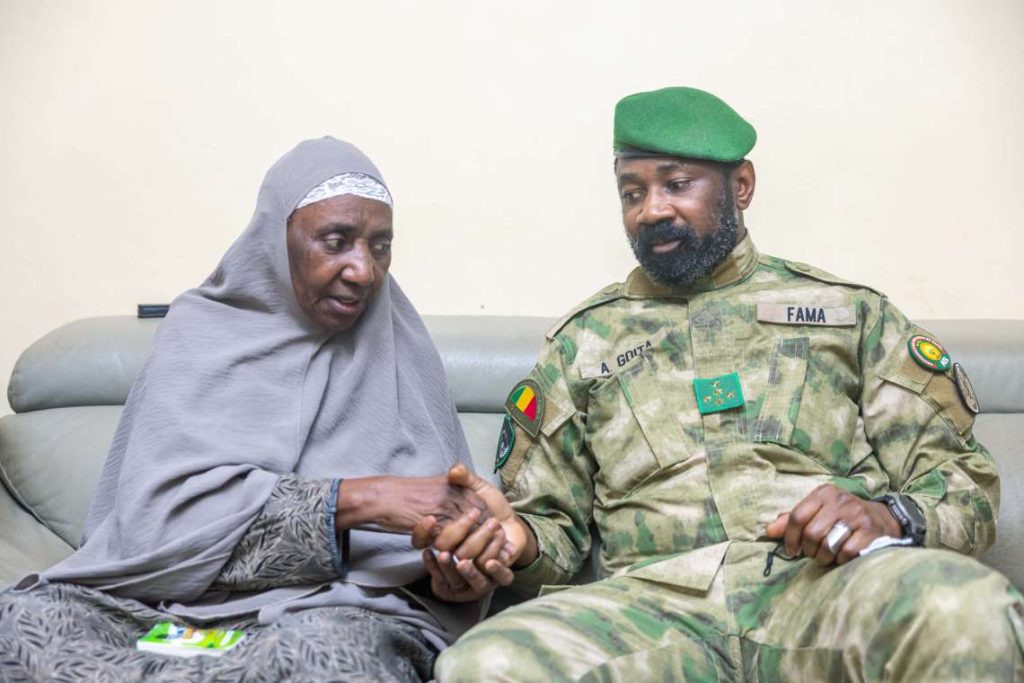
Goïta alleged that the attacks formed part of a broader destabilisation campaign orchestrated by terrorist groups and their internal and external supporters.
He urged citizens to remain vigilant, trust the armed forces and avoid panic or misinformation, warning that disinformation campaigns could become tools used by terrorist organisations.
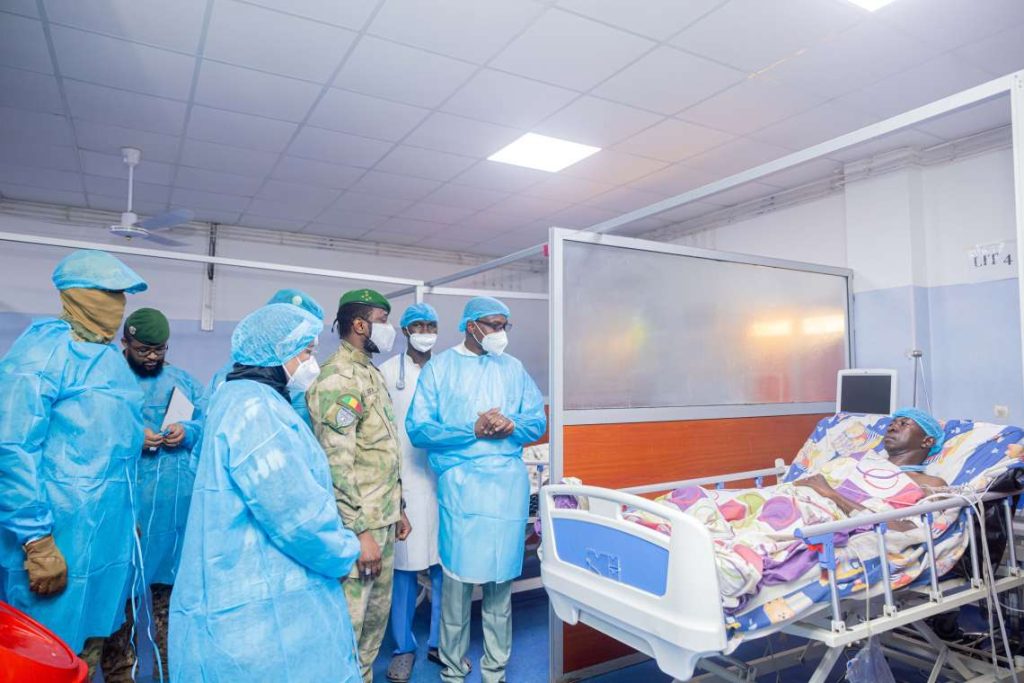
The president also instructed the government to strengthen support for victims and affected families while ensuring proper medical care for those injured in the attacks.
Mali mourns death of Defence Minister
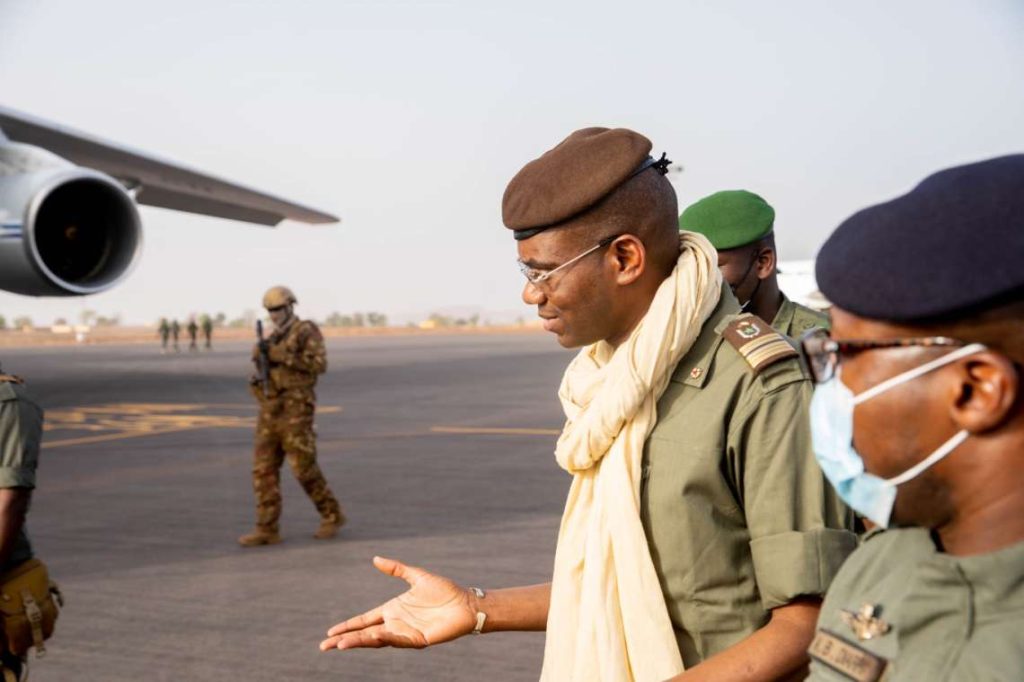
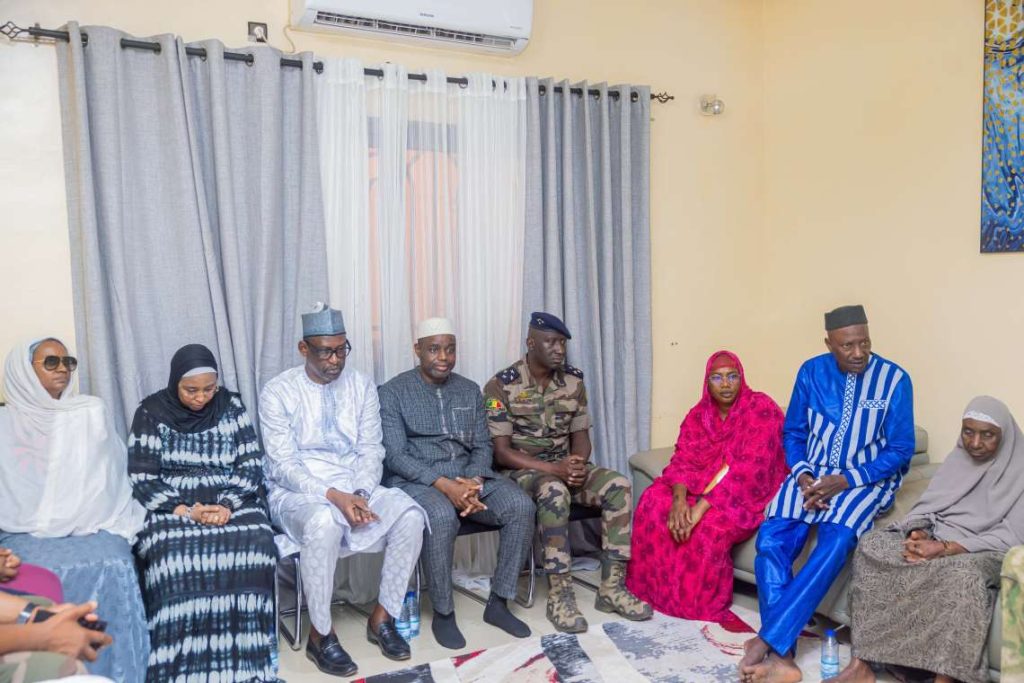
Goïta paid tribute to Mali’s Defence Minister Sadio Camara, calling his death “an immense loss for the Malian nation”.
Camara was reportedly killed alongside his second wife after armed groups attacked his residence in Kati, near Bamako, during the coordinated assaults on Saturday.
Local sources said the attacks across multiple cities left at least 16 people wounded, including civilians and military personnel.
While Mali’s government initially stopped short of officially confirming Camara’s death, later statements acknowledged heavy casualties linked to the attacks.
Prime Minister says attacks aimed at overthrowing transition
Malian Prime Minister Abdoulaye Maïga said the assaults were not isolated incidents but part of a wider attempt to seize power, dismantle republican institutions and derail the country’s political transition.
Speaking at a press briefing, Maïga said the attackers had aimed to spread fear, weaken national unity and undermine public confidence in the government.
He claimed those efforts had failed and said Mali’s military had launched a forceful response that killed hundreds of terrorists across the country.
Maïga added that the evolving threat from extremist groups would require Mali to constantly adapt and strengthen its security strategy.
Military launches nationwide operations
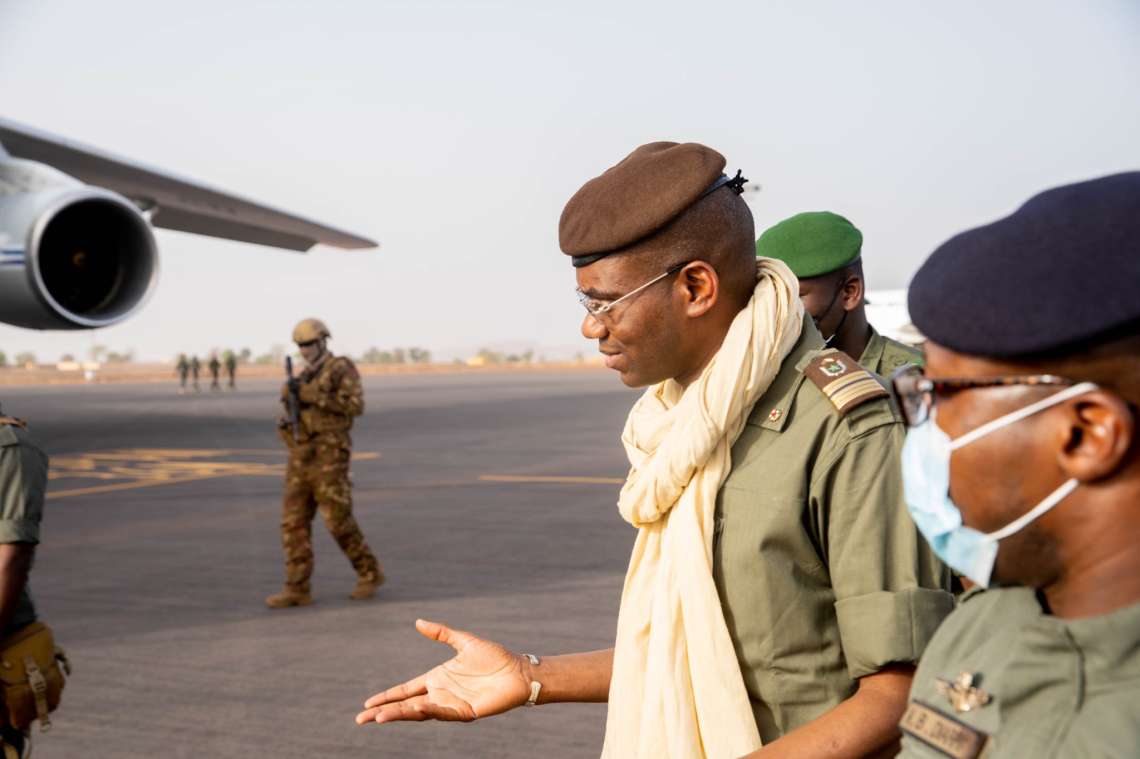
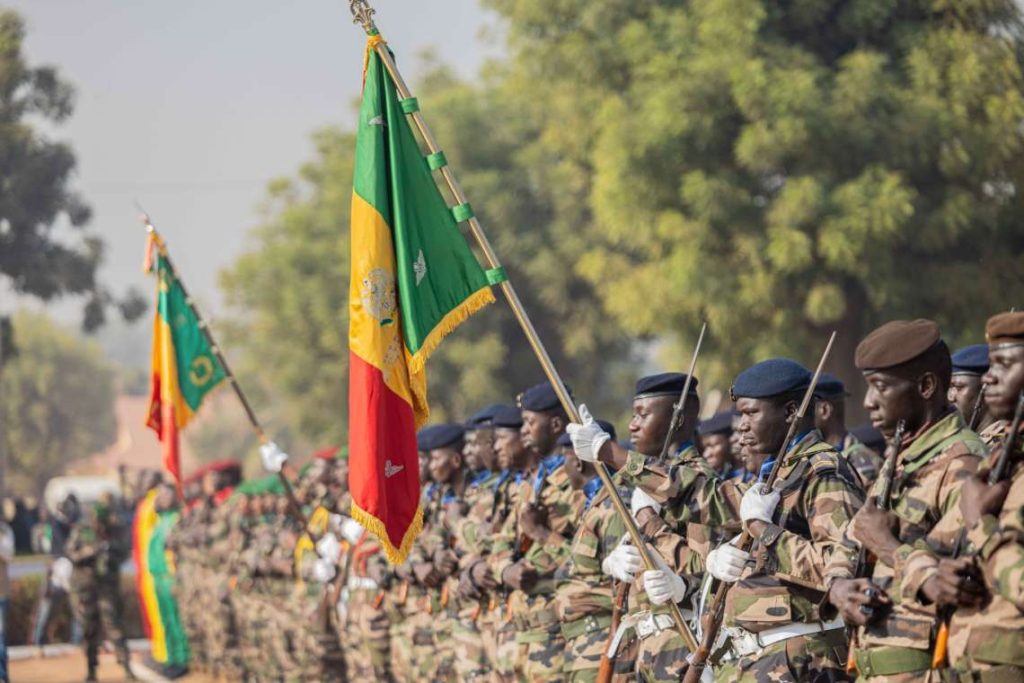
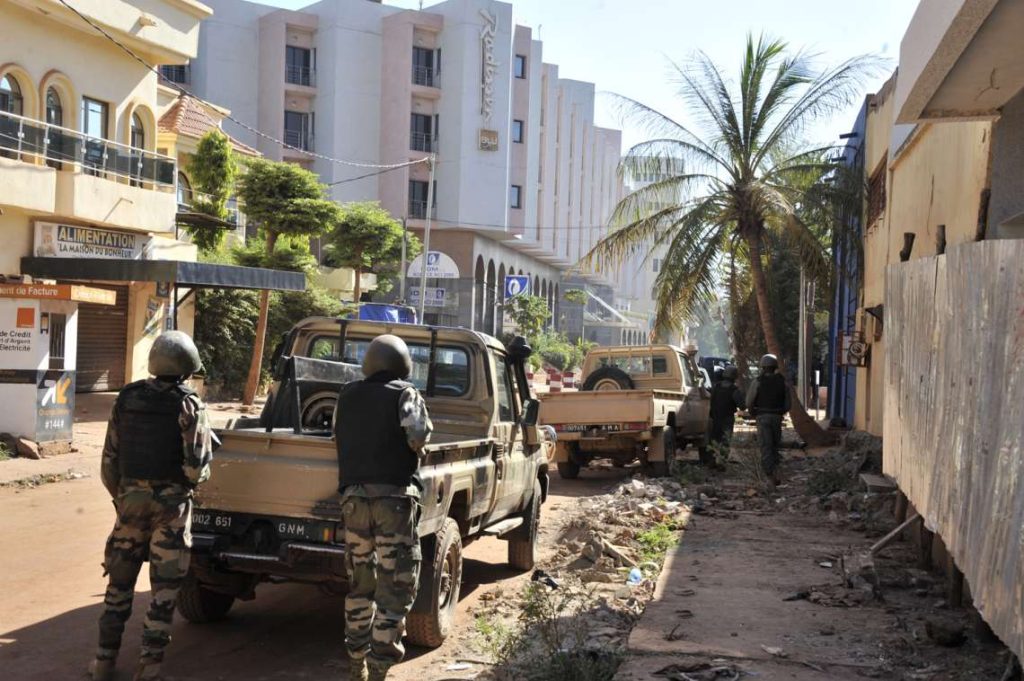
The General Staff of the Malian Armed Forces said large scale sweep operations were continuing in Kidal, Kati and other affected regions following the attacks.
The army said the assaults were designed to destabilise the country’s defence system and spread panic among the population.
Authorities have since raised security alert levels nationwide, imposed curfews, intensified patrols and reinforced checkpoints to counter further threats.
On Sunday, the military said airstrikes in the Koulikoro region killed more than 100 terrorists after aerial surveillance detected armed fighters travelling on motorcycles toward a suspected hideout near Kolokani.
India condemns attacks, issues advisory
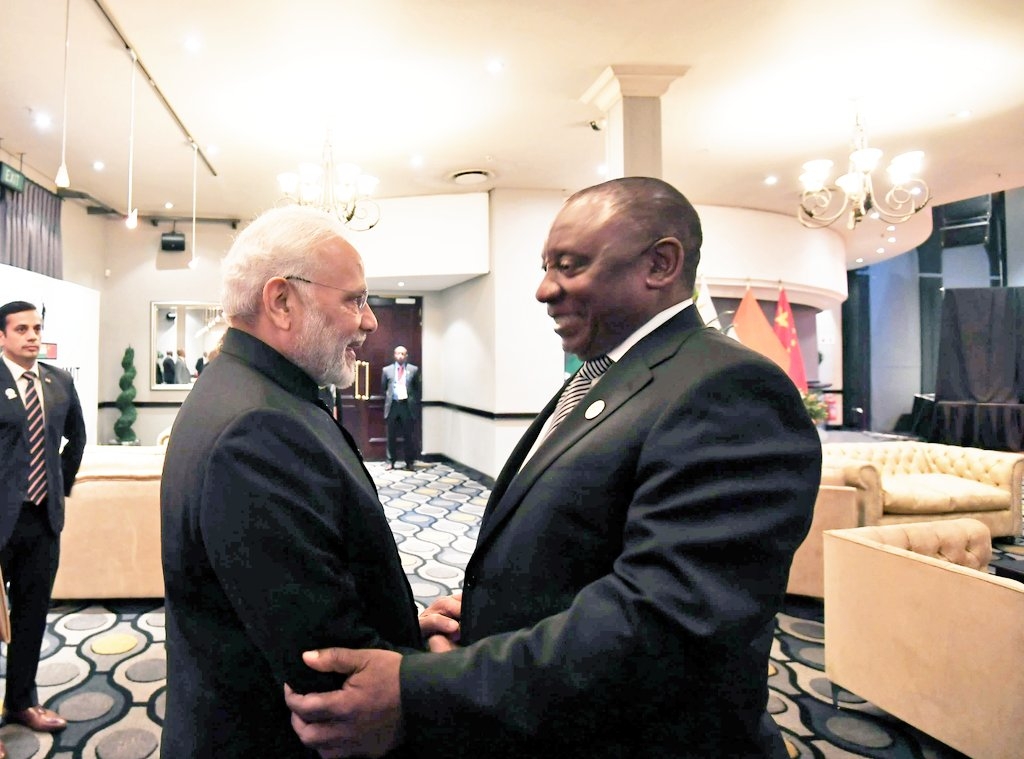
India strongly condemned the attacks and expressed condolences over the death of Defence Minister Camara.
In a statement, India’s Ministry of External Affairs said New Delhi stood in solidarity with the people and government of Mali during the crisis and reaffirmed its commitment to combating terrorism in all forms.
The Embassy of India in Bamako also issued an advisory urging Indian nationals in Mali to remain highly vigilant, stay indoors and follow instructions issued by local authorities.
The embassy said it was closely monitoring the evolving security situation in coordination with Malian officials.
UN condemns violence
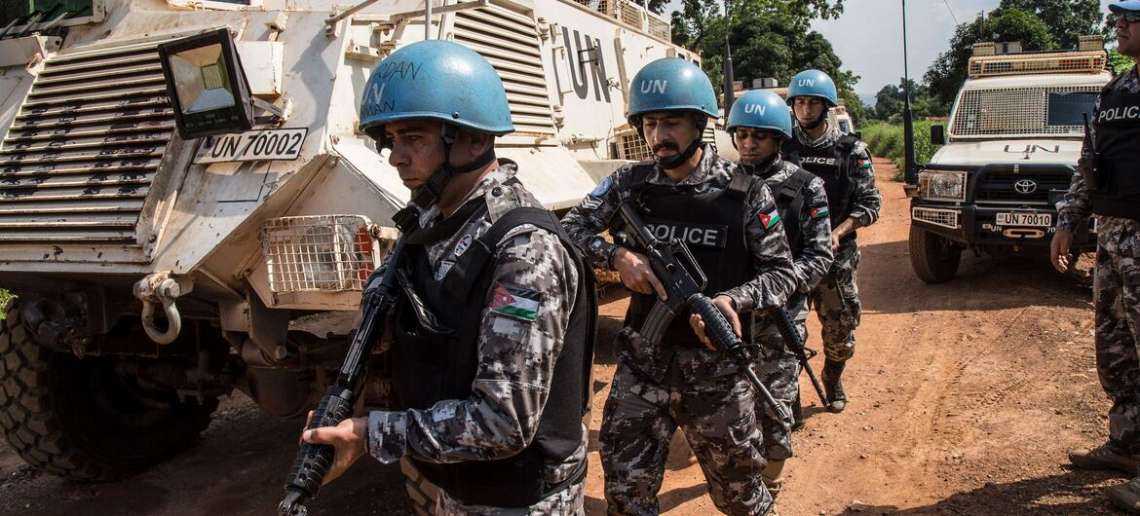
António Guterres, Secretary General of the United Nations, expressed deep concern over the attacks and strongly condemned the violence.
UN spokesperson Stéphane Dujarric said the UN chief stressed the need to protect civilians and civilian infrastructure while calling for stronger international cooperation against terrorism and violent extremism in the Sahel region.
The UN also urged coordinated regional security efforts and increased humanitarian support to address the worsening crisis.