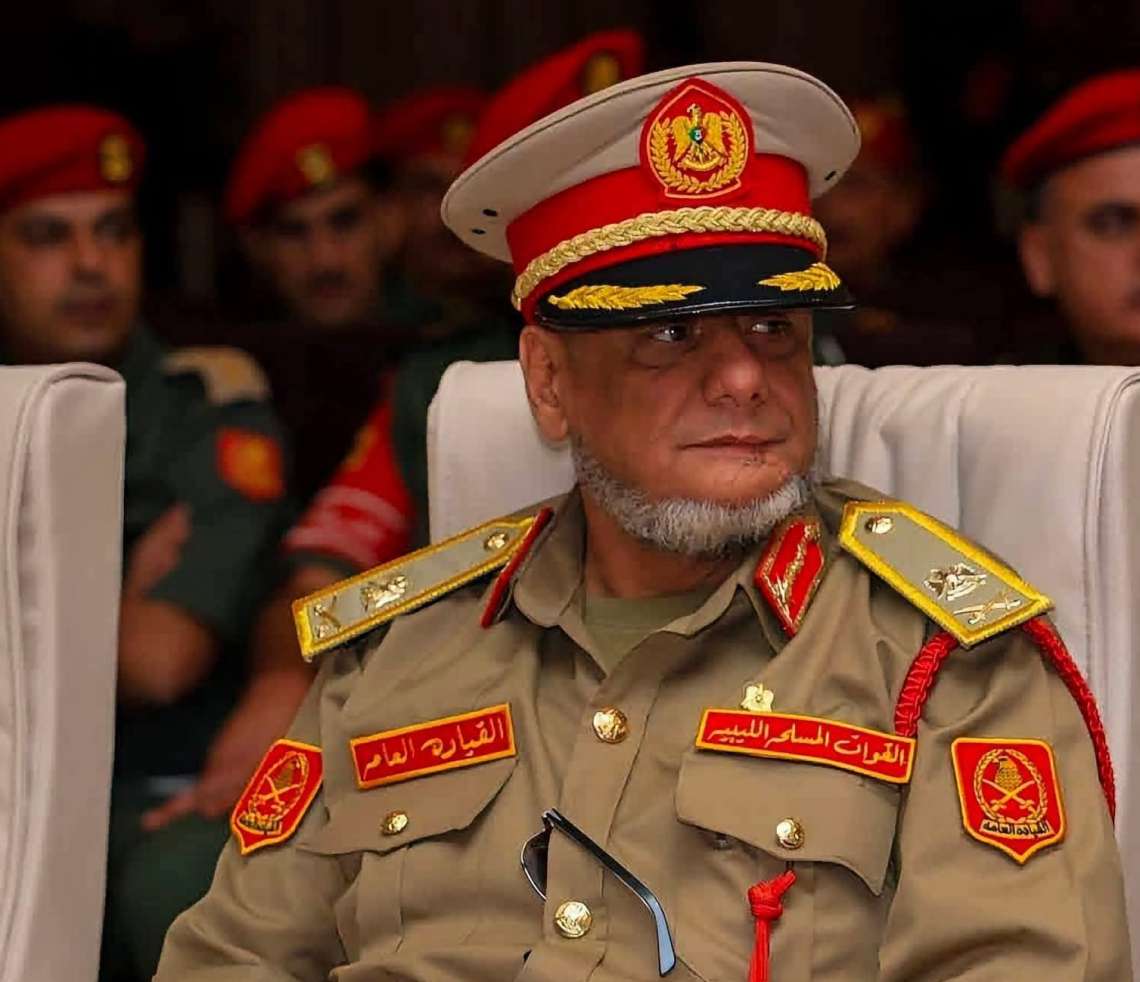

Major General Fawzi al-Mansouri, head of Military Intelligence for the Libyan National Army, has been killed in a reported terrorist attack in Benghazi….reports Africa Daily News Desk
Major General Fawzi al-Mansouri, head of Military Intelligence for the Libyan National Army, has been killed in a reported terrorist attack, according to statements following his death.
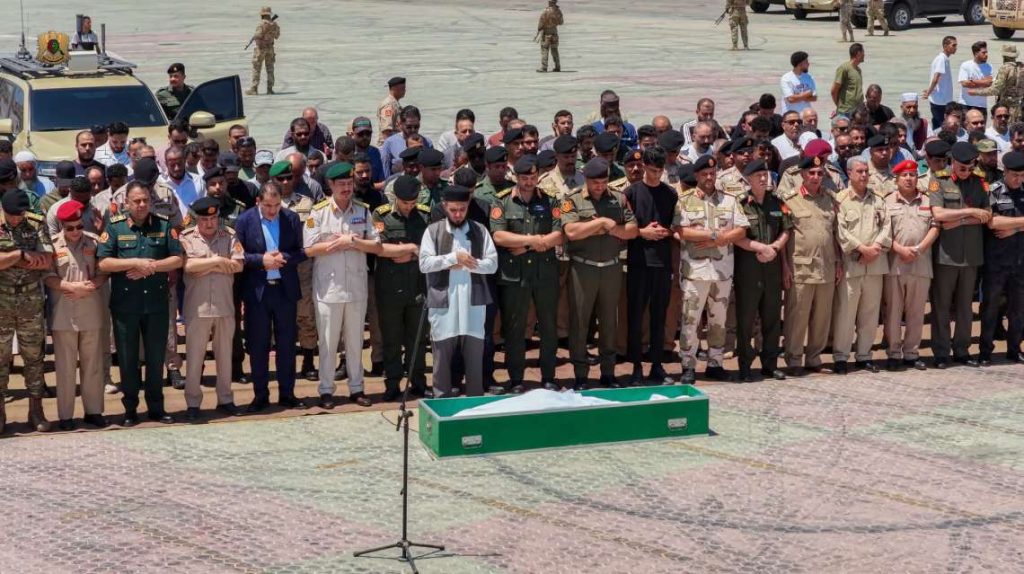
His funeral was held in Benghazi in the presence of Lieutenant General Saddam Haftar, son and deputy of Field Marshal Khalifa Haftar, commander of the LNA.
The assassination has been described as a significant security breach in Haftar’s eastern Libyan stronghold, which has experienced greater security stability following years of conflict involving armed groups and militias.
Saddam Haftar, who took part in the funeral procession, pledged to pursue those responsible for the killing.
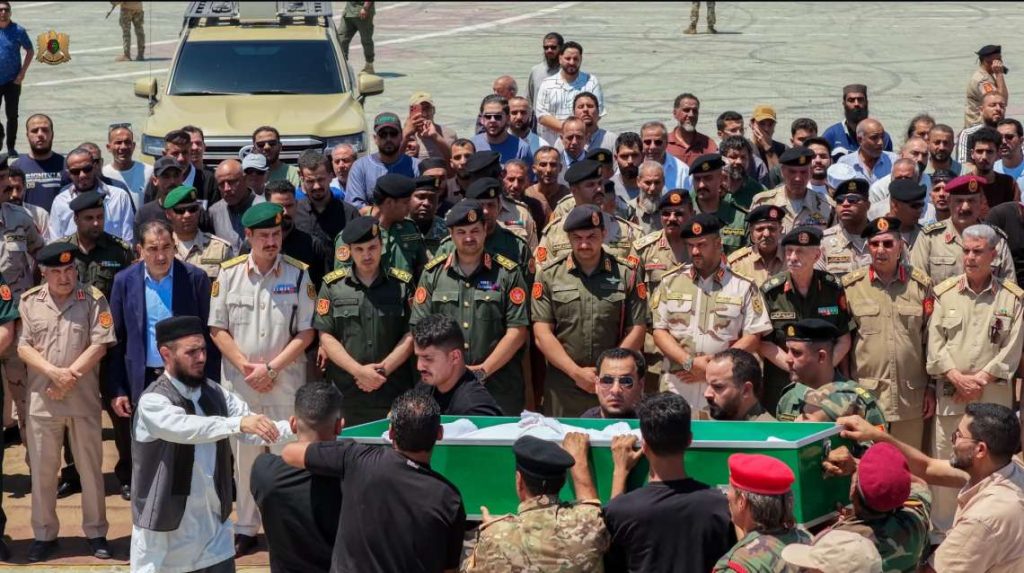
Field Marshal Khalifa Haftar has also reportedly ordered a review of security and protection measures for senior military officers following the attack.
The circumstances surrounding the killing and the identity of those responsible have not been publicly established.
A statement mourning al-Mansouri described his death as a loss to the Libyan nation and the armed forces, saying he had died following a “treacherous terrorist operation”.
The killing has raised concerns about the possible presence of dormant militant cells in eastern Libya.
According to information cited in the report, investigators are expected to determine the circumstances surrounding the attack and identify those responsible. The investigation could also shed light on whether dormant terrorist networks remain active in the region.
The targeting of al-Mansouri has been described as an attempt to revive terrorism in eastern Libya, an area that suffered heavily from violence involving extremist groups and armed militias in previous years.
Benghazi and surrounding areas were once at the centre of intense fighting involving Islamist militant groups and forces loyal to Haftar. The LNA later regained control of much of eastern Libya following prolonged military operations.
The latest incident could prompt the LNA to strengthen security measures around senior commanders and government-linked military facilities.
Further details about the attack, including its location, method and any claims of responsibility, were not immediately available.
The killing comes as Libya remains politically divided between rival administrations and military and security structures, despite a reduction in large-scale fighting compared with earlier years.