
Dry and cold conditions hit production, leaving some retailers facing low stocks and delayed deliveries…reports Africa Daily News Desk
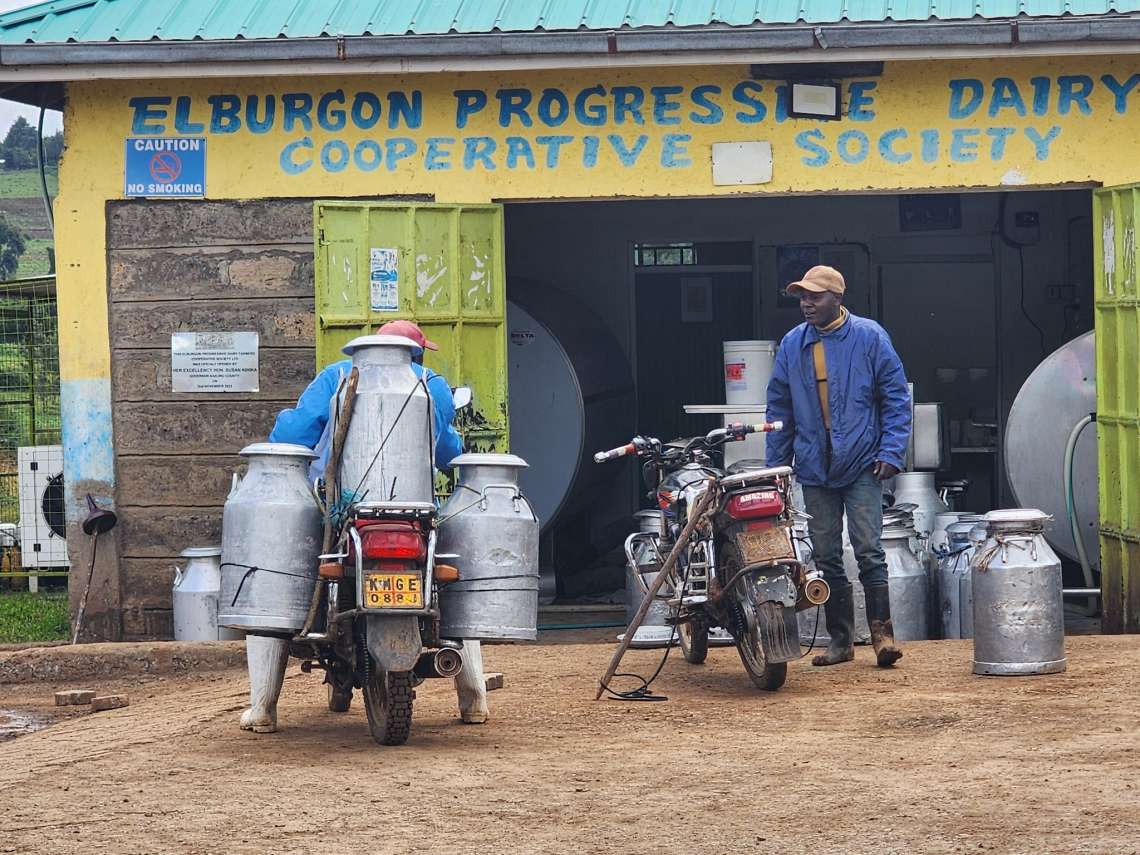
Kenya’s dairy regulator has moved to reassure consumers that milk remains available across the country despite temporary supply constraints that have led to low stock levels, reduced product availability and delayed replenishment in some areas.
In a statement dated September 1, the Kenya Dairy Board (KDB) said formal milk deliveries to processors fell by 3.7 per cent, declining from 84.4 million litres in June to 81.3 million litres in July 2026.
The Board said it was still compiling formal milk intake data for August, although preliminary indications suggested a further decline in deliveries due to prevailing seasonal production conditions.
Recent market surveillance conducted by the KDB identified varying levels of supply constraints across the country, reflected in lower stock levels, reduced availability of certain brands and pack sizes, and delays in replenishing supplies at some retail outlets.
Pasteurised milk has been more significantly affected, while long-life milk, including ESL and UHT products, remains comparatively more widely available, according to the regulator.
Despite the supply pressures, the Board said retail milk prices had generally remained stable, although some upward price movements had been recorded in areas experiencing shortages.
The current situation has largely been linked to seasonal factors, particularly dry and cold conditions in key milk-producing regions, which have affected pasture and fodder availability and consequently reduced production.
However, the Kenya Dairy Board said the outlook could improve later in the year, with the October-November-December 2026 rainfall season expected to support the recovery of pasture and fodder supplies.
“Conditions becoming more favourable” could lead to improved milk production and more stable supplies, the Board said.
The government is also implementing measures aimed at strengthening milk production and improving the resilience of Kenya’s dairy value chain. These include the procurement and distribution of milk coolers to improve aggregation and preservation, as well as support for dairy herd improvement through subsidised sexed semen.
The interventions are expected to contribute to increased production and help stabilise milk supplies over time.
The KDB said it would continue monitoring milk production, formal deliveries to processors, market availability and retail prices while working with industry stakeholders to maintain continuity of supply.
Consumers and industry players were urged not to panic, with the Board stressing that the current constraints were temporary.
Under the leadership of the Ministry of Agriculture and Livestock Development, the regulator said efforts would continue to ensure adequate and stable milk supplies across the country.