
India has dispatched emergency medical supplies to Africa as Ebola cases rise in Congo and Uganda…..reports Africa Daily News Desk
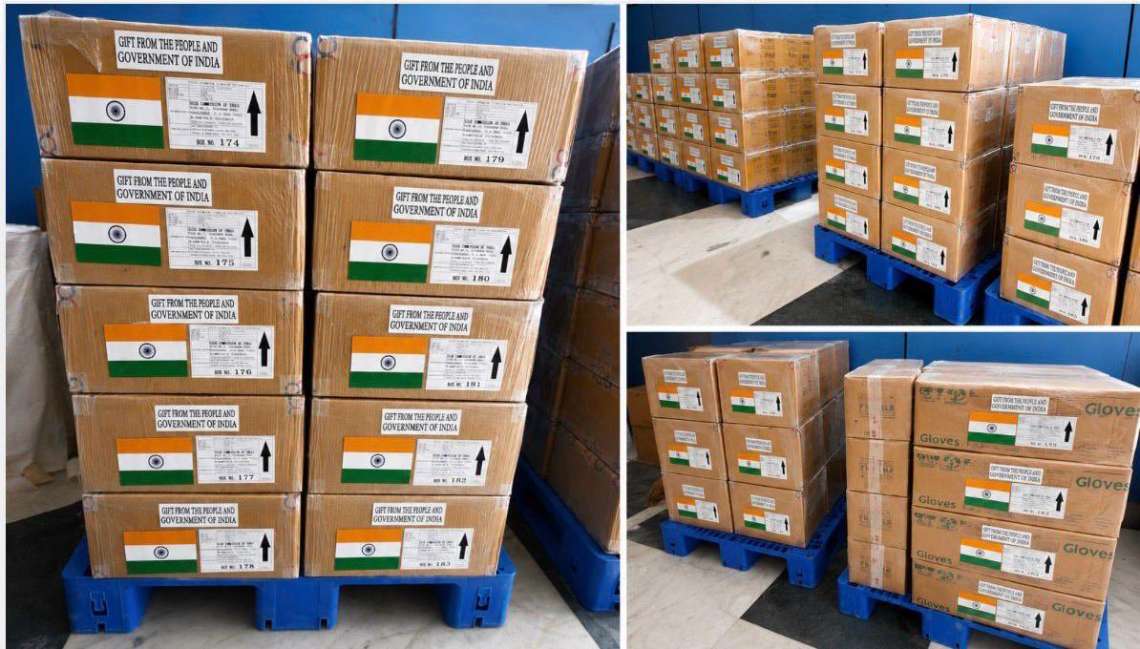
India has dispatched the first tranche of urgent medical supplies and protective equipment to Africa as authorities intensify surveillance and preparedness measures at home following the growing Ebola outbreak in parts of the continent.
The emergency assistance was sent to the Africa Centres for Disease Control and Prevention amid rising concerns over the spread of the Bundibugyo strain of the Ebola virus in the Democratic Republic of Congo and Uganda.
External Affairs Minister S. Jaishankar confirmed the shipment in a post on X, saying India remained committed to supporting African countries confronting the evolving public health emergency.
“India dispatched the first tranche of urgent medical supplies and protective kits to Africa CDC today. Committed to support Africa in responding to the emerging Ebola public health emergency,” Jaishankar said.
The World Health Organisation declared the outbreak a Public Health Emergency of International Concern under the International Health Regulations on May 17 after cases were reported in Congo and Uganda. Africa CDC has separately classified the outbreak as a Public Health Emergency of Continental Security.
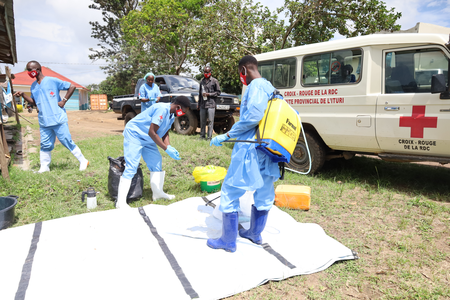
According to the Union Ministry of Health and Family Welfare, the Bundibugyo strain of Ebola virus disease is a severe viral haemorrhagic fever with a high mortality rate. Authorities said there are currently no approved vaccines or specific treatments available for the strain responsible for the latest outbreak.
The WHO Emergency Committee on May 22 issued temporary recommendations urging countries to strengthen disease surveillance at international entry points, particularly to detect travellers with unexplained fever arriving from affected areas. The agency also advised against non essential travel to regions where the virus has been detected.
India has now advised its citizens to avoid non essential travel to the Democratic Republic of Congo, Uganda and South Sudan until further notice. The government said neighbouring countries in East and Central Africa remain at high risk of transmission as the outbreak continues to expand.
Meanwhile, Indian health authorities said they are closely monitoring the global Ebola situation and have stepped up screening and surveillance across the country.
The Health Ministry confirmed that an individual in Bengaluru with a recent travel history from Uganda had been isolated at the state run Epidemic Diseases Hospital after reporting mild body ache symptoms. Officials said the patient underwent testing for Ebola virus disease at the National Institute of Virology and the result returned negative.
Authorities stressed that no confirmed Ebola case has been detected in India.
“The Ministry, in coordination with concerned state authorities, is maintaining close surveillance and ensuring that all necessary public health protocols are being followed in accordance with WHO guidelines,” the government said.
Officials added that screening measures remain active at airports, border health facilities and across the broader healthcare system as part of India’s early detection and prevention strategy.
The government also urged citizens not to panic or spread misinformation and advised the public to rely only on official updates regarding the outbreak.
The latest update from WHO Director General Tedros Adhanom Ghebreyesus suggested the Ebola outbreak in Congo could be significantly larger than official confirmed figures currently indicate.
In a post on X, Tedros said 101 Ebola cases had so far been officially confirmed in Congo, including 10 deaths. However, he warned that more than 900 suspected cases and around 220 suspected deaths were still under investigation, indicating the scale of the outbreak may be far wider.
Uganda has also reported fresh infections linked to the outbreak, including two additional confirmed cases among healthcare workers. According to WHO figures, Uganda has now recorded seven confirmed Ebola cases, including one death.
Tedros said the WHO and its partners were scaling up emergency response operations in the affected regions, including enhanced contact tracing, surveillance and efforts to isolate infected individuals quickly in order to prevent wider transmission.
Health experts have warned that Ebola outbreaks can spread rapidly if not contained early, particularly in regions with weak healthcare infrastructure and cross border movement.
India’s decision to dispatch emergency aid while strengthening domestic surveillance reflects growing international concern over the outbreak and the potential risks of cross border transmission as global health agencies race to contain the virus.