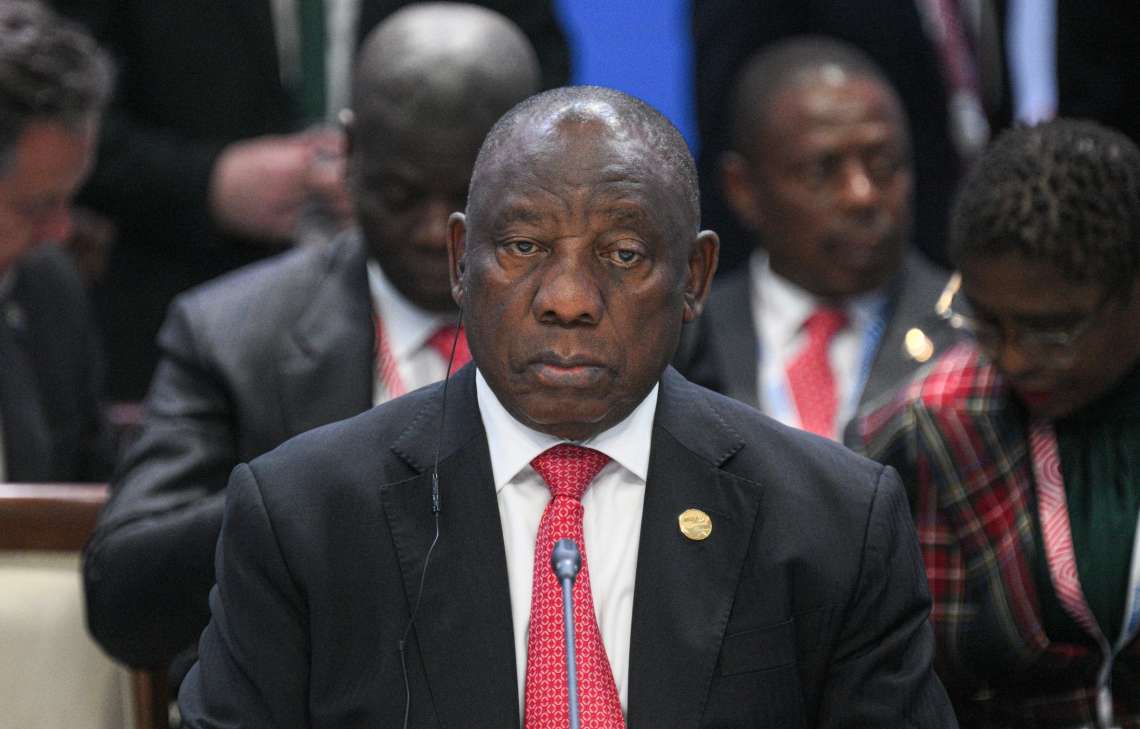

South Africa’s impeachment committee will seek President Cyril Ramaphosa’s testimony as it advances the revived Phala Phala inquiry following Constitutional Court intervention….reports Africa Daily News Desk
South Africa’s parliamentary impeachment committee has agreed to request President Cyril Ramaphosa to appear before it as part of its inquiry into the Phala Phala scandal, marking a significant step in revived impeachment proceedings against the head of state.
The Section 89 Impeachment Committee reached the decision during a meeting on Wednesday after considering legal advice on the President’s possible appearance, the appointment of an evidence leader and draft terms of reference that will guide the inquiry.
In a statement, Parliament said the committee agreed that Ramaphosa would not be the first witness to testify, as members must first establish a case before the President is invited to respond to the allegations.
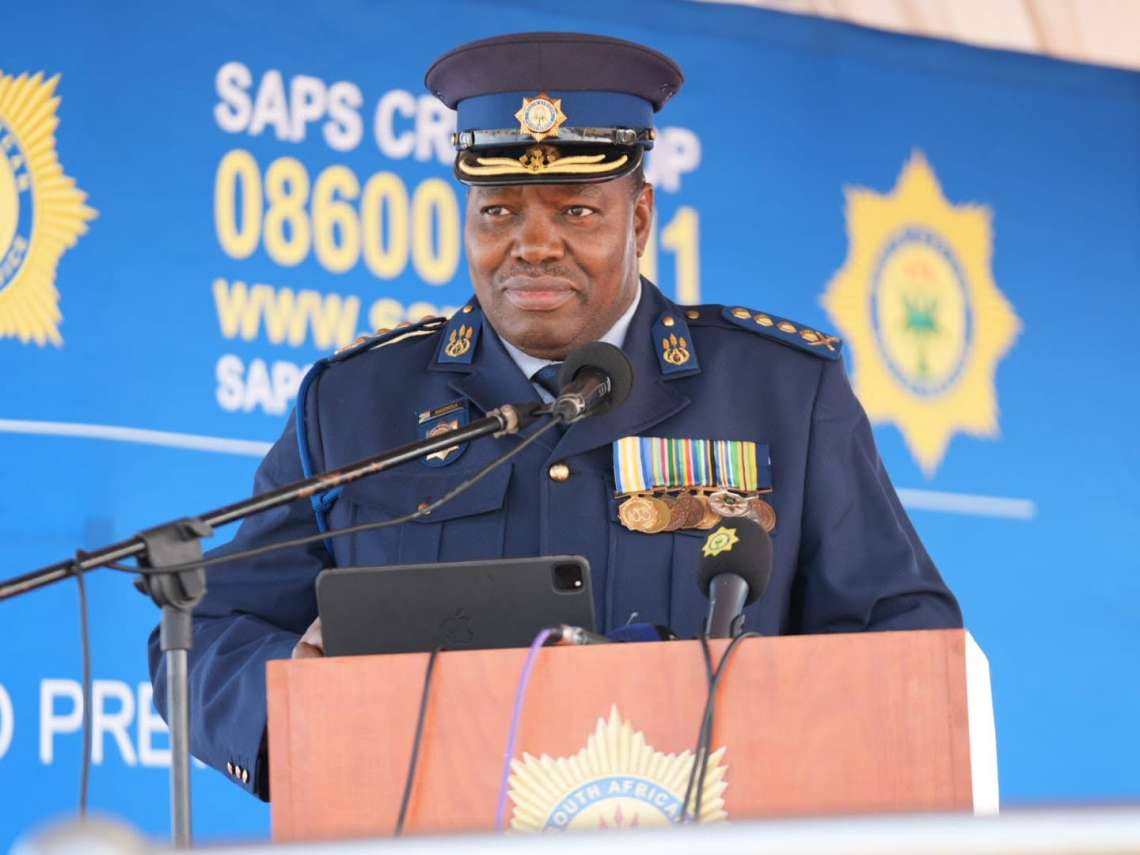
Committee Chairperson Makashule Gana said the panel hoped Ramaphosa would appear voluntarily.
“We hope that the matter will not reach the point where the President must be summoned. However, if he refuses to appear, the committee will have to summon him,” Gana said.
The committee also resolved to recommend the appointment of Advocate Thandazani Madonsela as evidence leader. The recommendation will now be referred to the Secretary to Parliament for the formal appointment process.
Members further reviewed draft terms of reference for the inquiry, with the amended document set to be returned to Parliament’s Legal Services Division for refinement before being resubmitted to the committee.
The impeachment inquiry centres on the Phala Phala controversy, which relates to the alleged theft of around US$580,000 in cash from Ramaphosa’s private game farm in Limpopo Province in 2020.
The incident sparked questions over whether the cash had been properly declared to the relevant authorities and whether the President had acted appropriately in responding to the theft.
In 2022, an independent panel chaired by former Chief Justice Sandile Ngcobo concluded there was prima facie evidence suggesting Ramaphosa may have committed serious misconduct.
However, the National Assembly later voted against adopting the panel’s report and declined to pursue impeachment proceedings.
The process was revived earlier this year after South Africa’s Constitutional Court ruled in May that Parliament had acted unlawfully in rejecting the panel’s findings, paving the way for the establishment of the impeachment committee.
The inquiry has since faced further legal challenges. In July, the Western Cape High Court granted an interim interdict preventing the committee from holding public hearings while Ramaphosa seeks a judicial review of the independent panel’s report.
Despite the ruling, the committee has indicated it intends to appeal, allowing preparations for the inquiry to continue.
The latest decision to seek the President’s testimony signals that the committee is moving ahead with its investigation while awaiting the outcome of ongoing court proceedings.