
Ghana has rejected a proposed US health funding agreement over concerns about data privacy and oversight, becoming the latest African country to push back against Washington’s new approach to global health partnerships…reports Africa Daily Newsdesk
Ghana has rejected a proposed health agreement with the United States over concerns about data privacy and governance, according to a senior official involved in the negotiations.
The move makes Ghana the latest African country to distance itself from a series of US-backed health funding arrangements introduced under President Donald Trump’s “America First” approach to global health assistance.
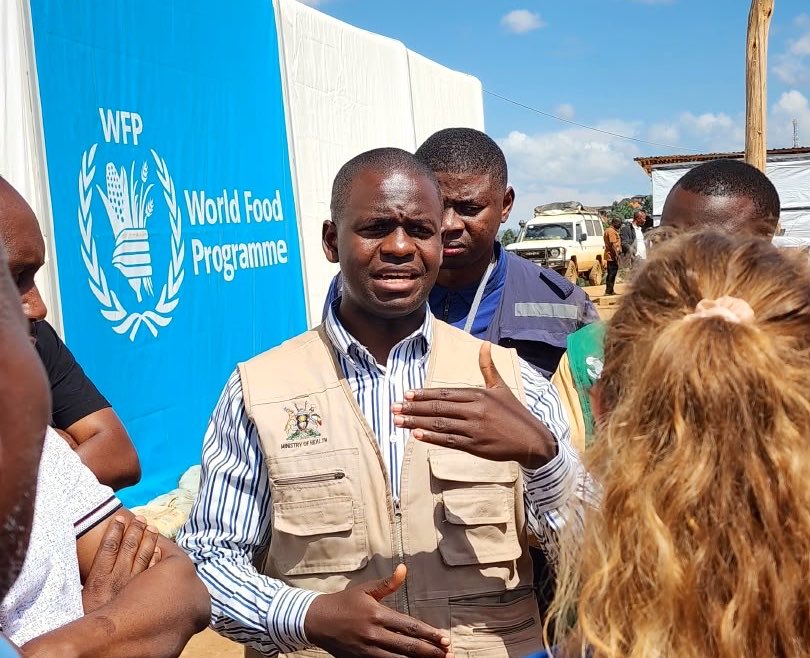
Arnold Kavaarpuo, executive director of Ghana’s Data Protection Commission, said the proposed agreement would have granted US entities broad access to sensitive health information without adequate oversight or safeguards from Ghanaian authorities.
“The scope of the data access that was requested under the deal went far beyond what would typically be required,” Kavaarpuo said. According to him, the proposed agreement would have allowed access not only to health datasets, but also to metadata, dashboards, reporting tools, data models and data dictionaries linked to Ghana’s health systems.
He said up to 10 US entities could have gained access to the data under the proposal, with Ghana having limited authority to approve or reject how the information was ultimately used. “We did not get a sense that Ghana had any real governance oversight when it came to how the data was going to be utilised,” Kavaarpuo said. “It was more or less if they undertook an exercise, they will notify the country. So it was not a prior approval arrangement.”
Kavaarpuo added that one section of the proposed agreement would have permitted individuals to be identified when considered necessary for handling sensitive health data. “That, in effect, was outsourcing the health data architecture of the country to a foreign body,” he said.
The proposed agreement was reportedly valued at around $300 million. Under its terms, Ghana would have received approximately $109 million in US funding over five years, with additional contributions expected from the Ghanaian government. The United States has negotiated similar agreements with more than 30 countries, most of them in Africa, since the restructuring of its overseas health funding programmes. The initiative replaced earlier health assistance arrangements previously managed through the now-dismantled United States Agency for International Development.
The agreements were designed to provide funding support to countries affected by cuts to US aid spending, particularly to strengthen public health systems and respond to disease outbreaks.
However, several African governments and health advocates have raised concerns about the conditions attached to the funding, especially around the collection, storage and sharing of health data. Earlier this year, Zimbabwean authorities said they had rejected a similar proposal due to concerns about data access, sovereignty, and fairness. Zambia has also reportedly objected to parts of its proposed agreement, although officials there have not announced a final decision.
Activists and health policy groups across Africa have questioned whether the agreements contain sufficient protections for sensitive national information and patient records. Some have also criticised limits placed on who may benefit from the funding.
In Nigeria, critics raised concerns after the US reportedly prioritised support for mainly Christian faith-based healthcare providers under one arrangement. The Africa Centres for Disease Control and Prevention has also expressed reservations. Director General Jean Kaseya previously referred to “huge concerns” regarding data sharing while discussing the agreements with reporters.
A spokesperson for the US State Department declined to comment on the specifics of negotiations with Ghana. “We continue to look for ways to strengthen the bilateral partnership between our two countries,” the spokesperson said, speaking on condition of anonymity.
Kavaarpuo said Ghana has formally communicated its rejection of the current proposal to the United States while requesting revised terms for a possible future agreement. He said Ghana remains open to cooperation, but only under conditions that provide stronger protections and clearer national oversight of sensitive health data.