
Ghana’s Foreign Minister has rejected claims that Africa was an equal participant in the transatlantic slave trade, calling such narratives misleading and harmful to global efforts on reparatory justice…reports Newsdesk
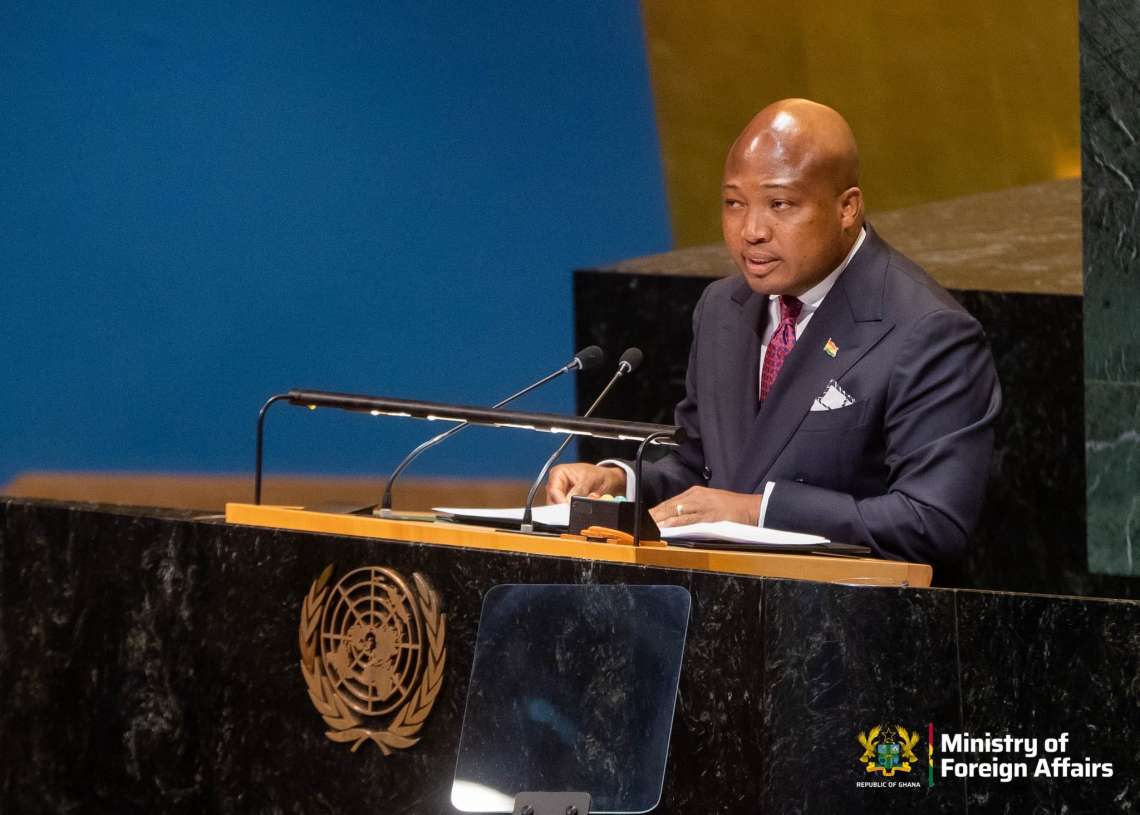
Ghana’s Foreign Minister Samuel Okudzeto Ablakwa has dismissed claims that Africa played an equal or active role in the transatlantic slave trade, describing the narrative as historically inaccurate and misleading, Ghana News Agencyreported.
Speaking at a press briefing in Accra, Ablakwa said attempts to portray Africa as a co architect of the slave trade distort history and undermine ongoing efforts to secure justice and reparations.
He acknowledged that while some local intermediaries existed, they neither controlled nor designed the system, which he said was driven by external forces, financed through global networks and enforced by legal and economic structures developed outside the continent.
The minister stressed that the systems underpinning slavery, including laws, insurance frameworks and global trade mechanisms, were created by foreign actors who benefited from the exploitation of enslaved Africans.
His remarks follow the adoption of a landmark resolution by the United Nations General Assembly declaring the enslavement of Africans as one of the gravest crimes against humanity.
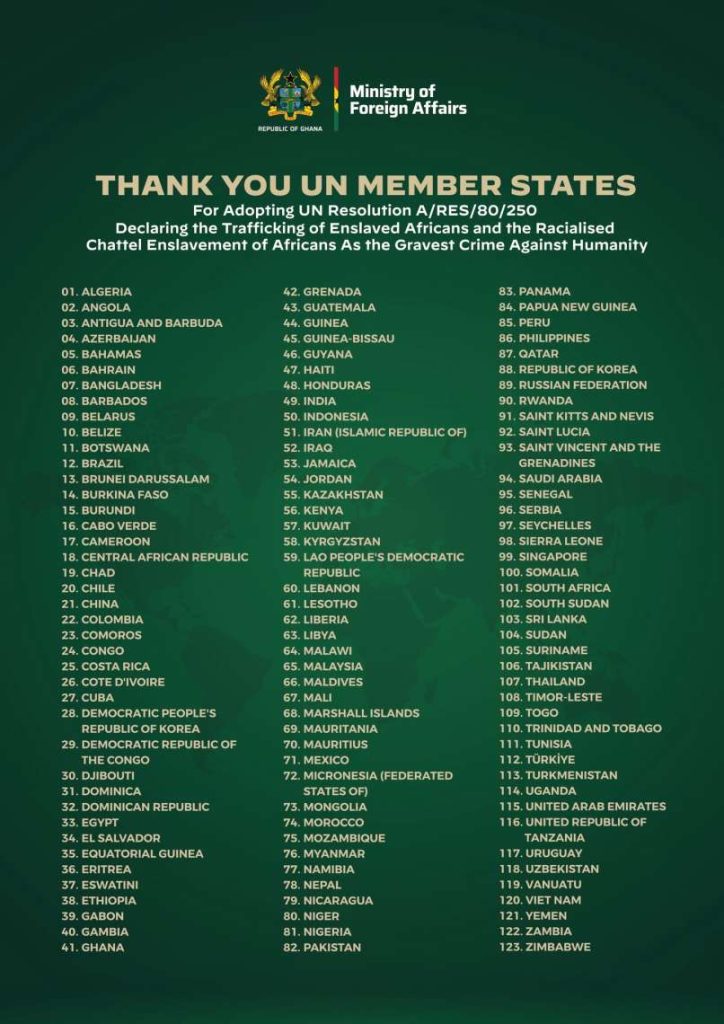
The resolution, led by Ghana under John Dramani Mahama, who serves as the African Union Champion on Reparations, has gained broad international backing and marks a shift towards formal recognition of slavery’s lasting global impact.
Ablakwa noted that more than 12.5 million Africans were forcibly taken over three centuries, with millions dying during capture and transportation, making it one of the most brutal episodes in human history.
He said the resolution represents a turning point, moving beyond symbolic remembrance towards concrete discussions on reparations, including apologies, compensation, restitution and institutional reform.
The minister emphasised that Ghana’s approach is rooted in dialogue and cooperation rather than confrontation, reaffirming the country’s commitment to working with all nations, including those that did not support the resolution.
He argued that narratives suggesting Africans benefited equally from slavery reflect outdated divide and rule tactics that weaken collective efforts for justice.
Looking ahead, Ablakwa said Ghana will work with global partners, including the African Union and Caribbean nations, to translate the resolution into action through education reforms, return of cultural artefacts and deeper research into reparatory frameworks.
He described the UN vote as a historic milestone, but stressed that sustained global effort will be needed to address enduring inequalities and deliver justice for Africans and their descendants.