
Death toll climbs to 438 as officials battle the virus in conflict-hit eastern regions…reports Africa Daily News Desk
The Democratic Republic of the Congo (DRC) has reported 1,406 confirmed Ebola cases, with the death toll rising to 438 as health authorities continue efforts to contain the deadly outbreak.
According to the latest government figures, 192 patients have recovered, while 609 others remain under treatment or medical care.
The outbreak continues to be concentrated in the eastern provinces of Ituri, North Kivu and South Kivu, where surveillance, patient care and emergency response operations have been intensified.
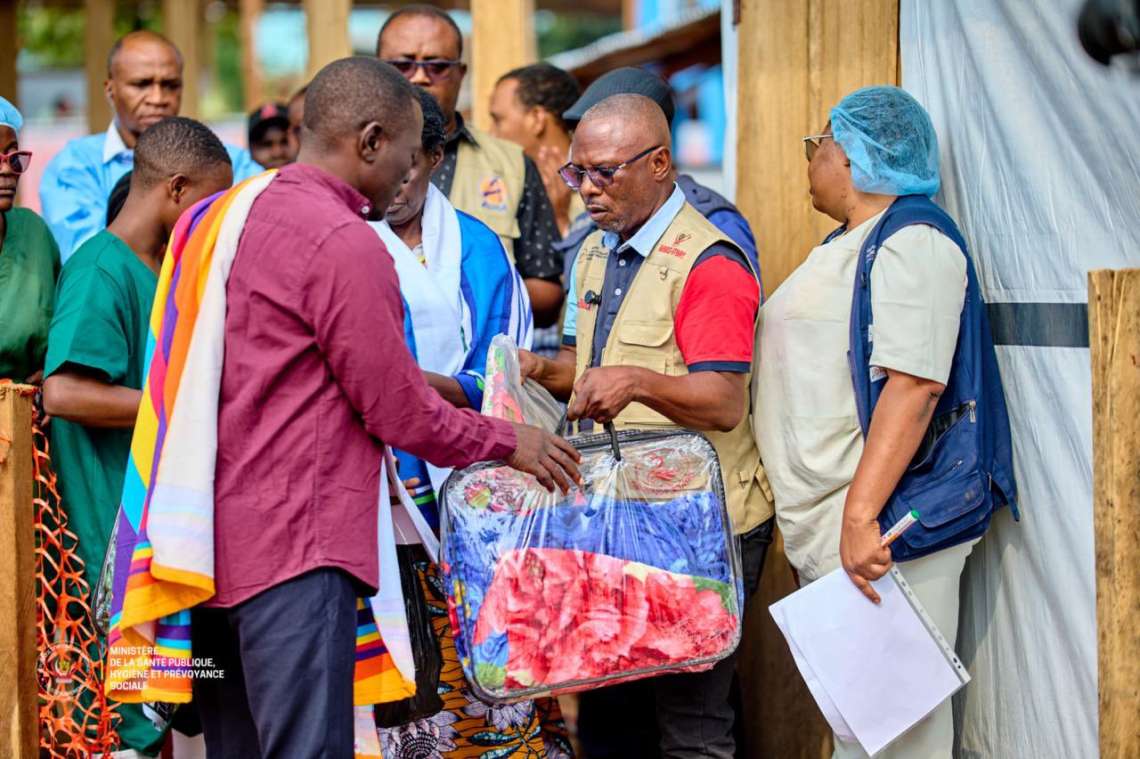
The government said it is strengthening its response by deploying additional vehicles and ambulances, supplying medicines and personal protective equipment (PPE), and expanding public awareness campaigns and community mobilisation initiatives to curb the spread of the virus.
The DRC declared the Ebola outbreak in mid-May. Since then, health officials and international partners have warned that persistent insecurity, large-scale population movement, overstretched health facilities and challenges in tracing contacts are hampering containment efforts.
Ebola is a rare but highly infectious viral disease that is transmitted to humans from infected wild animals, particularly fruit bats, and spreads through direct contact with the bodily fluids of infected individuals.
The current outbreaks in the Democratic Republic of the Congo and neighbouring Uganda involve the Bundibugyo strain of the Ebola virus, for which there is currently no approved vaccine or specific treatment, although clinical research on potential therapies and vaccines is underway.
Health experts say the response is particularly challenging because the outbreak is unfolding amid a humanitarian crisis in remote yet densely populated areas affected by insecurity, as well as frequent cross-border movement and trade.
Symptoms of Ebola usually appear between two and 21 days after exposure and include sudden fever, fatigue, muscle pain, severe headache and sore throat. As the disease progresses, patients may develop vomiting, diarrhoea, abdominal pain and, in severe cases, unexplained bleeding and organ failure.
The World Health Organization (WHO) has declared the outbreak a Public Health Emergency of International Concern, underscoring the global health risks posed by the rapidly spreading virus and the need for sustained international support to contain the epidemic.