
Health officials fear wider transmission after Ebola spreads into South Kivu in eastern DR Congo….reports Africa News desk
Health officials fear wider transmission after Ebola cases spread into eastern DR Congo’s conflict hit South Kivu province. The World Health Organisation has warned the true scale of the outbreak may be far bigger than confirmed figures suggest.
Kinshasa, May 21: The latest Ebola outbreak in the Democratic Republic of the Congo has spread to South Kivu province, raising fears of wider transmission across the country’s volatile eastern region.
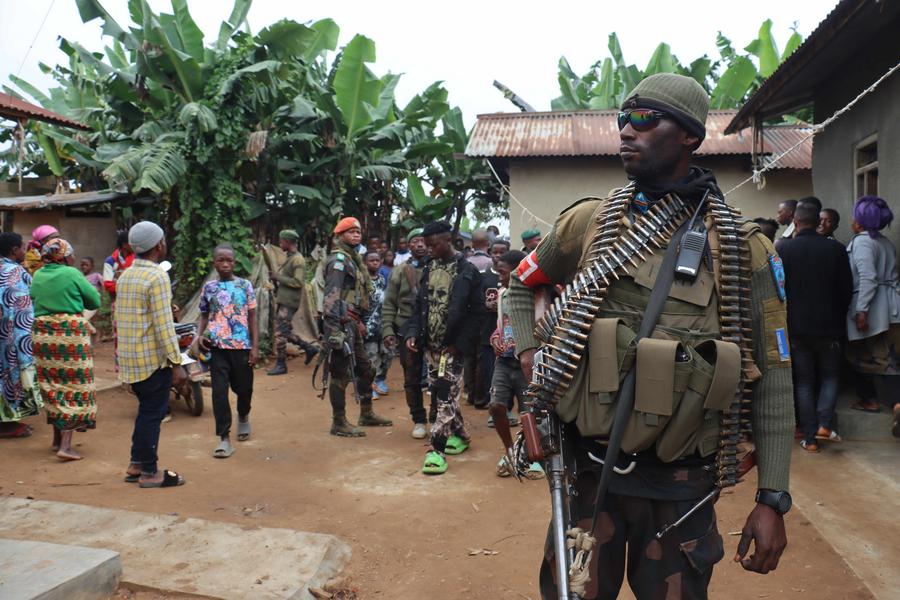
The March 23 Movement confirmed on Thursday that a new Ebola case had been detected in Bukavu, the capital of South Kivu, which has been under the group’s control since February 2025.
According to the rebel group, the infected patient was a 28 year old man who had travelled from Kisangani, the capital of Tshopo province. He reportedly died before his Ebola diagnosis was confirmed.
Although Tshopo province has not officially recorded any Ebola cases, Kisangani, one of the country’s busiest transport centres, has emerged as a major concern for health authorities trying to trace the spread of the virus.
The outbreak was initially detected in Ituri province but has since spread to North Kivu and South Kivu. Two confirmed Ebola cases have also been reported in neighbouring Uganda.
According to figures released on Thursday by DR Congo Health Minister Roger Kamba, authorities have recorded 626 suspected cases and 159 probable deaths since the country declared its 17th Ebola outbreak on May 15.
The M23 group said that more than 200 samples from suspected Ebola patients in areas under its control had been sent to Goma, the capital of North Kivu province, for laboratory testing.
In Goma, one confirmed Ebola patient remains under strict medical supervision while people identified as close contacts have been isolated, the group added.
World Health Organization Director General Tedros Adhanom Ghebreyesus warned that the number of infections was likely to continue rising because the virus may have been circulating undetected for months before authorities confirmed the outbreak.
“So far, 51 cases have been confirmed in the DRC, in the northern provinces of Ituri and North Kivu, including in the cities of Bunia and Goma, although we know the scale of the epidemic in DRC is much larger,” Tedros said on Wednesday.
WHO officials said investigations were still underway to determine when and where the outbreak first began, but early findings suggest the virus may have spread quietly before detection.
Anais Legand, a WHO technical officer specialising in viral haemorrhagic fevers, said officials believed the outbreak may have started several months ago.
“We are thinking that it has started probably a couple of months ago,” she said on Wednesday.
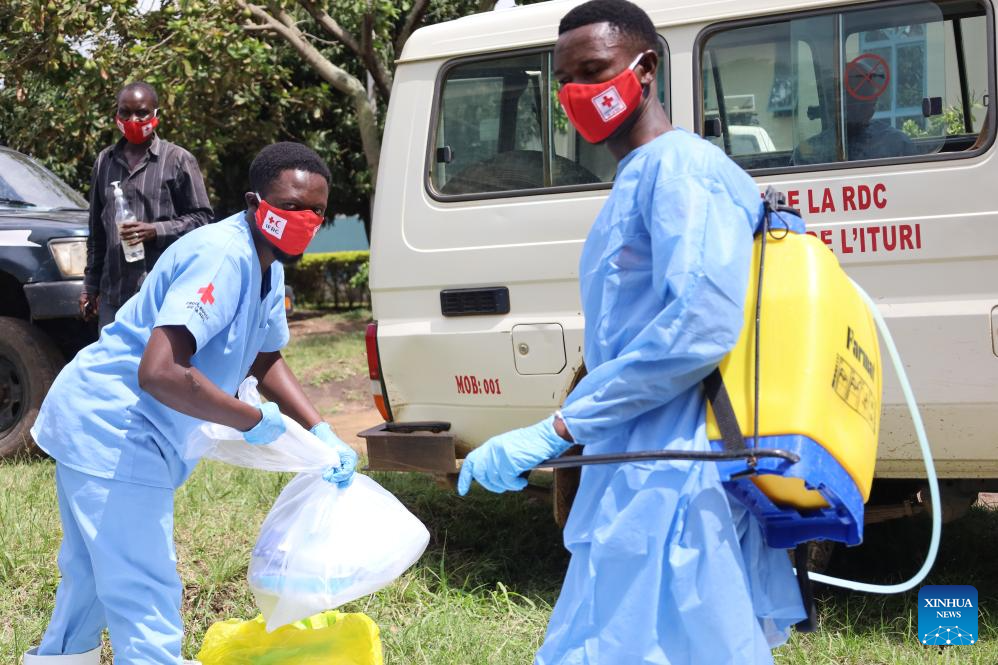
WHO teams are now focusing on contact tracing, isolating suspected cases and providing treatment to infected patients in an effort to contain the outbreak before it spreads further across the region.