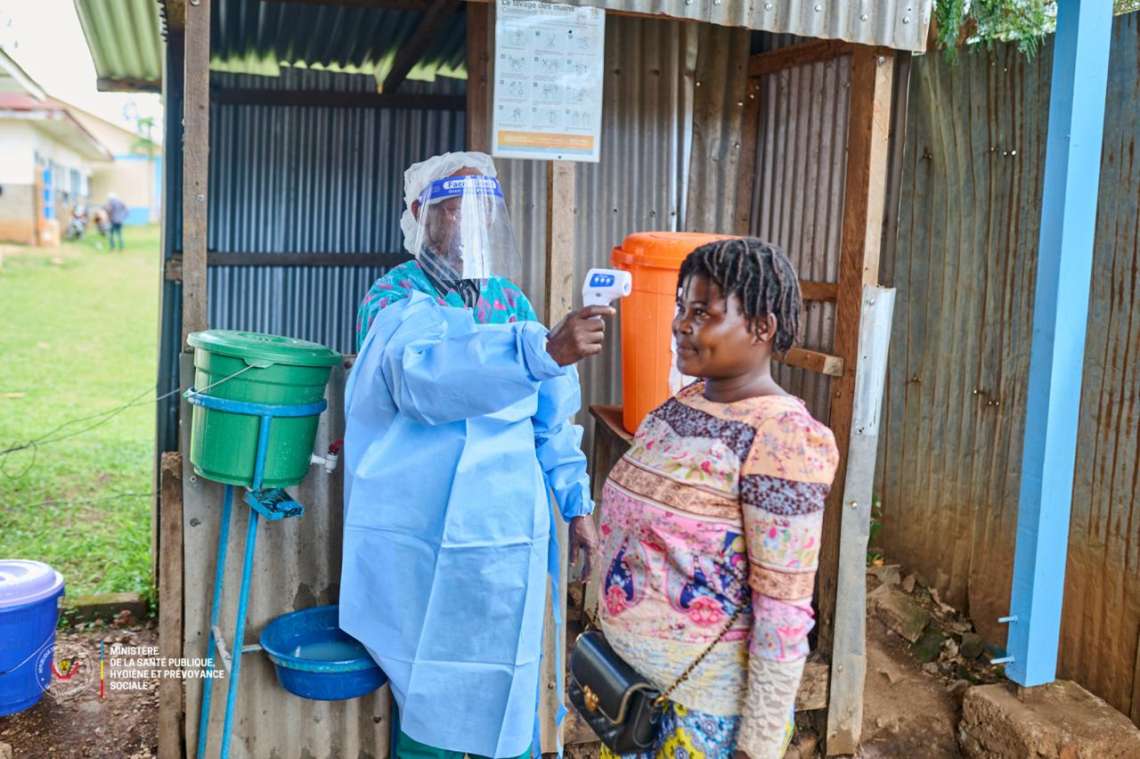

The Ebola outbreak in the Democratic Republic of Congo has spread to 54 health zones across six provinces, with 4,665 confirmed cases and 2,184 deaths recorded as of August 12…reports Africa Daily News Desk
The Ebola outbreak in the Democratic Republic of Congo has spread across six provinces, with 4,665 confirmed cases and 2,184 deaths recorded as of August 12, according to the latest update from the country’s Ministry of Public Health.
The affected provinces are Ituri, North Kivu, South Kivu, Haut-Uele, Bas-Uele and Tshopo. The Buta health zone in Bas-Uele has joined the affected areas, bringing the total number of impacted health zones to 54.
Ituri remains the main epicentre of the outbreak, with 28 of its 36 health zones affected. North Kivu has reported cases in 12 of its 34 health zones, while South Kivu has one affected zone out of 31. Haut-Uele has six affected zones out of 13, Bas-Uele one out of 11 and Tshopo six out of 23.
The Ministry said 634 patients are currently in isolation or hospitalised, while 965 people have recovered since the beginning of the epidemic. The overall case fatality rate stands at 46.8 per cent, while the contact-tracing rate has reached 84.2 per cent.
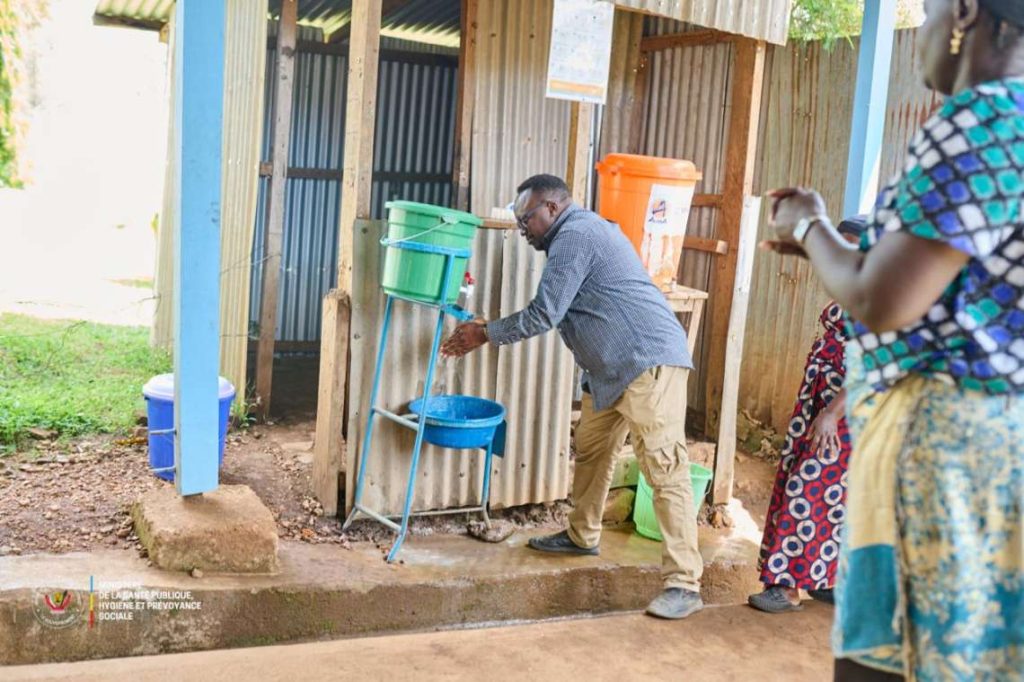
Surveillance operations remain active across the six provinces. A total of 1,531 alerts have been recorded, of which 1,388 have been verified. Of the verified alerts, 328 were validated as suspected cases, 286 people were investigated and 187 were transferred to treatment or isolation centres.
The authorities said community mobilisation and logistics operations were continuing in affected areas. These include household visits, community dialogues, mass awareness campaigns, radio programmes and briefings for community relays.
In Ituri, 280 contacts have been listed around 16 cases. In North Kivu, 200 leaders of taxi-moto associations have been briefed on risk communication and infection prevention.
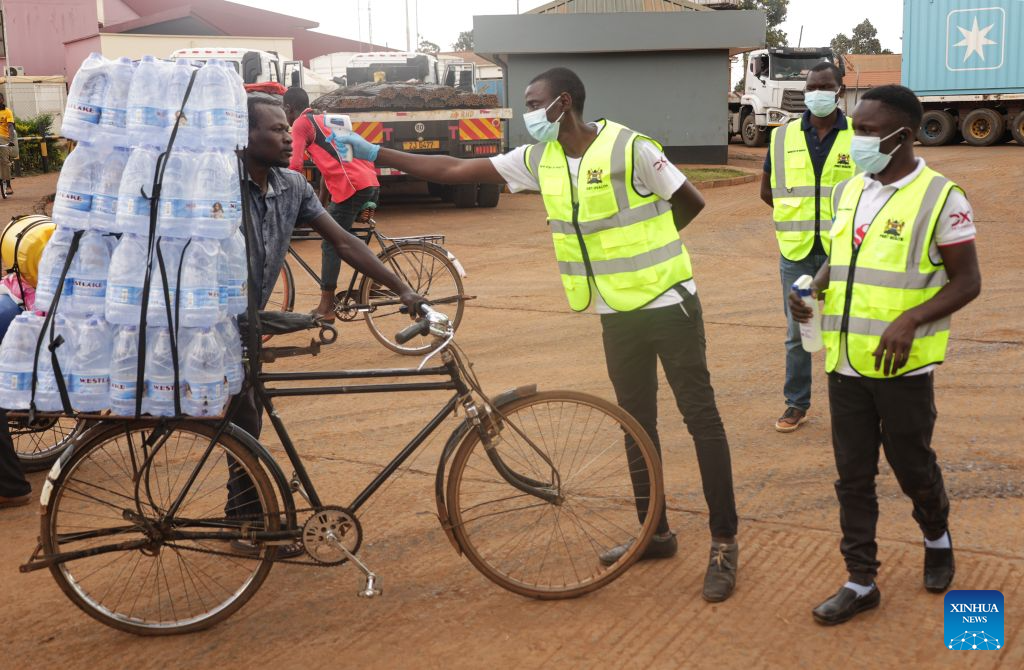
Logistical operations have also continued, including the delivery of infection prevention and control kits, surveillance supplies and chlorine, as well as support for medical transport.
Targeted prevention measures are being carried out around transmission hotspots. In Ituri, 19 response rings have been established, leading to the identification and decontamination of 70 exposed sites, including households and healthcare facilities.
In Tshopo, six response rings have been activated across four health zones, with six healthcare facilities and two households decontaminated.
Patient care has also resulted in further recoveries. The latest update recorded 47 additional patients declared cured after obtaining two negative results from molecular testing, including 42 in Ituri and five in North Kivu.
At the same time, healthcare facilities recorded 83 new admissions in Ituri, 63 in North Kivu, 11 in Haut-Uele and two in Tshopo.
The latest figures highlight the continuing scale of the outbreak and the challenge facing health authorities as transmission extends across a growing number of health zones. The World Health Organisation has previously reported that the outbreak, caused by Ebola virus disease from the Bundibugyo species, has been concentrated in eastern DR Congo, with Ituri emerging as the principal centre of transmission.
The Ministry said response efforts were being maintained through surveillance, rapid referral of suspected cases, infection prevention, community engagement and logistical support.
Health authorities have urged people with symptoms or suspected cases to seek assistance through the national hotline, 151, while stressing the importance of continued community participation in surveillance and infection-prevention measures.
The Ministry noted that the figures remain subject to adjustment as information reported by provinces and response pillars is consolidated, validated and harmonised.