
Muyembe stressed that national authorities must lead efforts to detect outbreaks early and respond swiftly to prevent further spread….reports Africa Daily News Desk
A leading Congolese virologist has called for stronger disease surveillance, faster contact tracing and greater cross-border coordination as the Democratic Republic of the Congo battles its latest Ebola outbreak.
Jean-Jacques Muyembe, Director General of the National Institute of Biomedical Research, said the country’s response must focus on proven public health measures to contain the spread of the virus, which is caused by the rare Bundibugyo strain of Ebola.
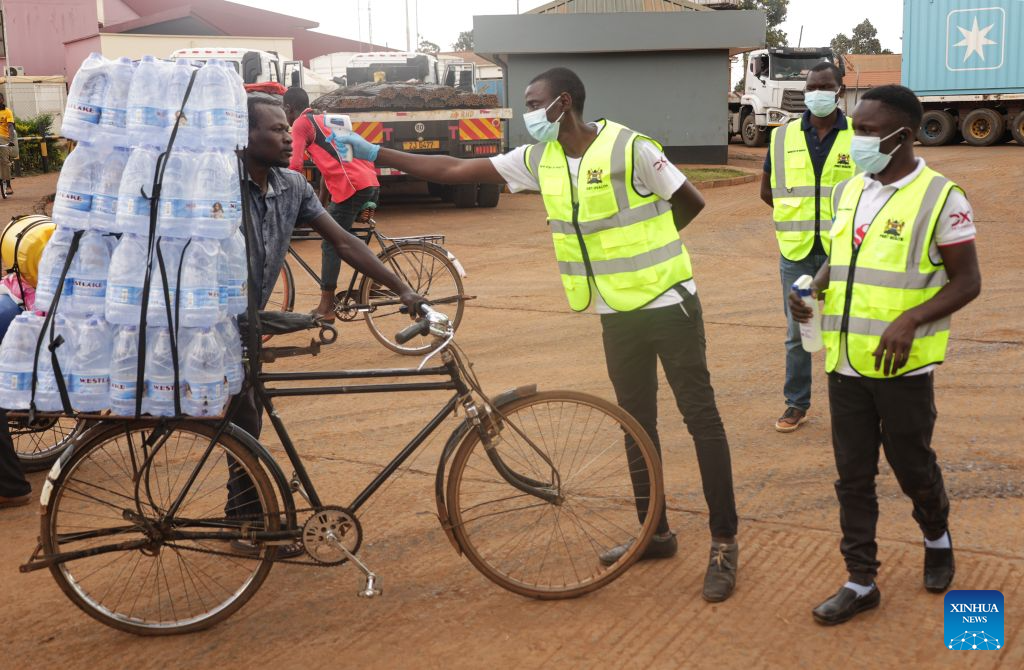
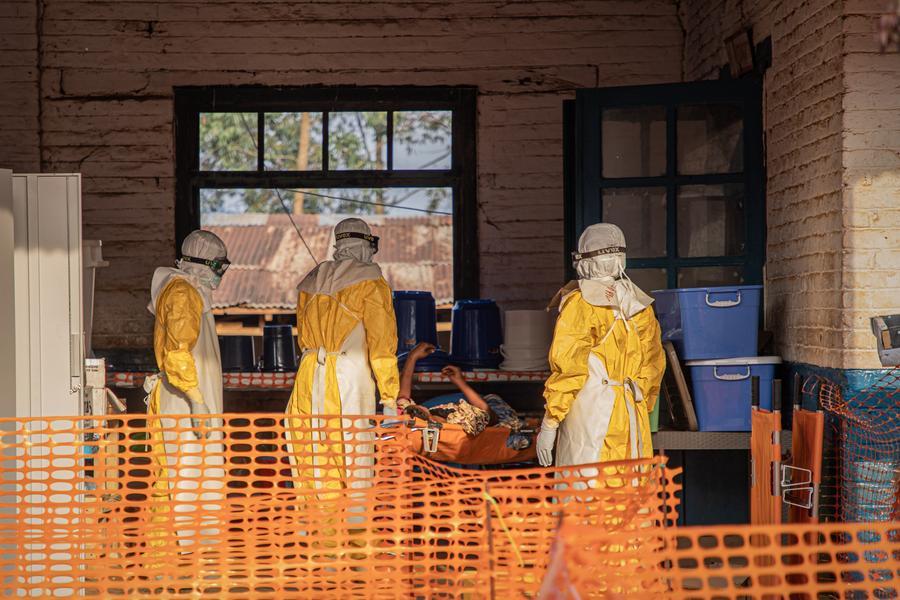
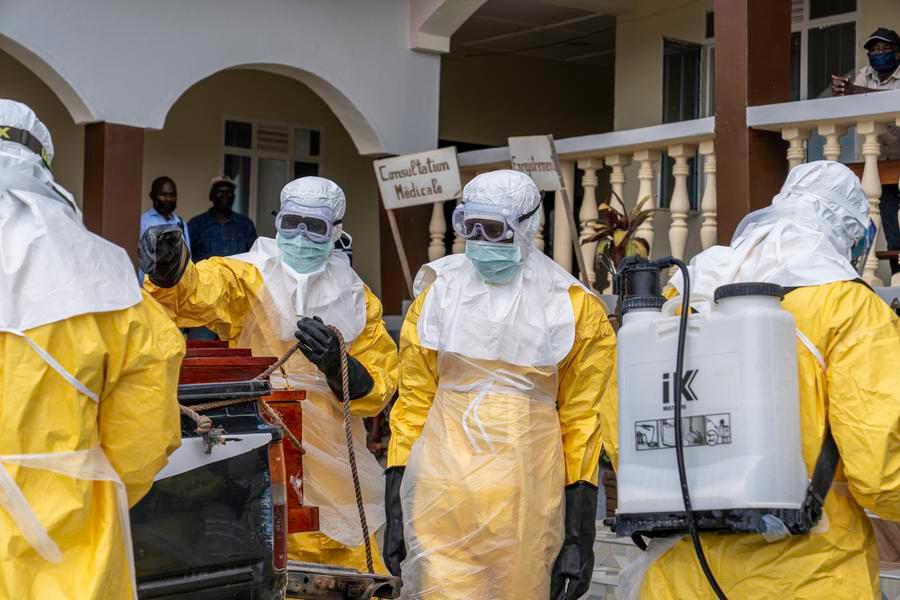
Speaking to Xinhua, Muyembe said isolating infected patients, strengthening active surveillance, tracing transmission chains, protecting healthcare workers and disinfecting health facilities were the most effective tools available while scientists continue to search for vaccines and treatments.
The latest outbreak, declared in Ituri Province, is the Democratic Republic of the Congo’s 17th Ebola outbreak since the virus was first identified in the country in 1976. Unlike previous outbreaks, the current epidemic is caused by the Bundibugyo strain, for which there are no approved vaccines or specific treatments.
Muyembe explained that 15 of the country’s previous outbreaks were linked to the more common Zaire strain, while only two have involved the Bundibugyo variant.
Although the Bundibugyo strain is considered less deadly than the Zaire strain, with a fatality rate below 50 per cent compared with around 80 per cent for the Zaire strain, he warned that the current outbreak posed a significant threat because it had already spread across several health zones in eastern Congo.
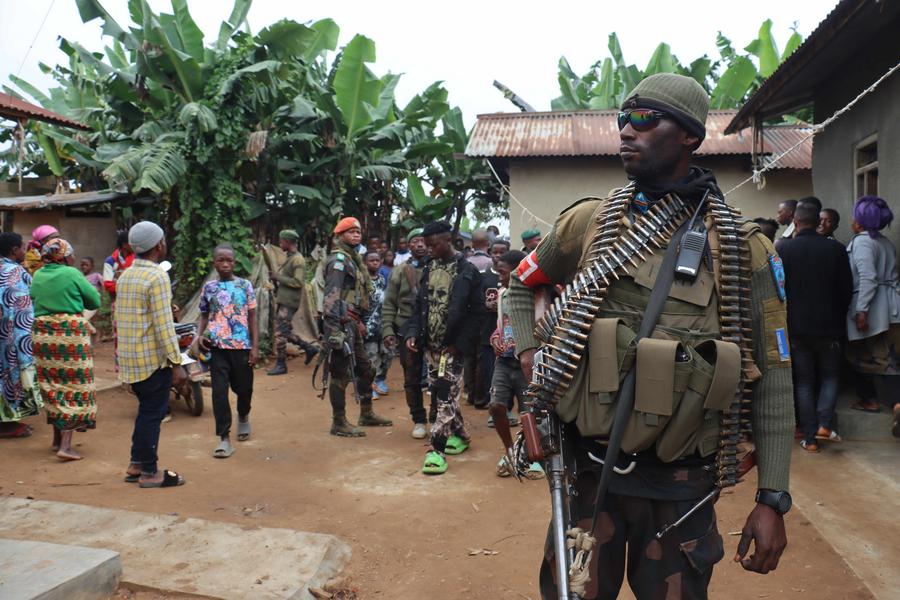
He said population movement, dense communities and insecurity in conflict-affected eastern regions created ideal conditions for wider transmission.
“The risk that the virus escapes these health zones and spreads to other health zones, or even to other provinces, is very great,” Muyembe warned.
Health authorities have also confirmed a case in Goma, the capital of North Kivu Province, raising concerns because of the city’s strategic position on the border with Rwanda.
Following the confirmation of the case, Rwanda temporarily closed border crossings with Goma. However, Muyembe said international health regulations favour strengthened cross-border surveillance, screening and contact tracing rather than border closures.
He noted that the Bundibugyo strain had previously been brought under control during the 2012 outbreak through effective public health interventions, demonstrating that surveillance and rapid response remain the best defence against the disease.
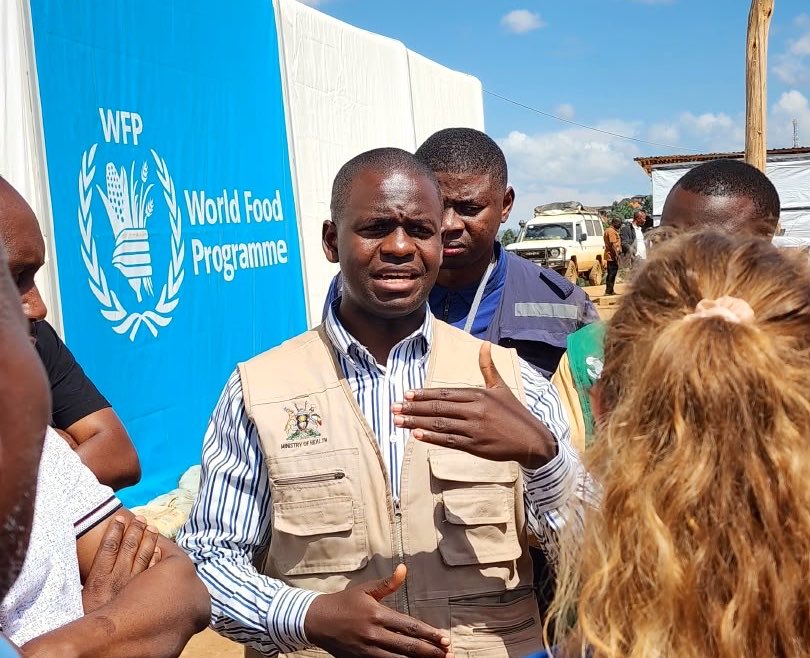
While international partners continue supporting the response, Muyembe stressed that national authorities must lead efforts to detect outbreaks early and respond swiftly to prevent further spread.