
WHO warns of sustained community transmission as the country’s largest-ever Bundibugyo Ebola outbreak continues to spread amid insecurity and strained healthcare services…reports Africa Daily News Desk
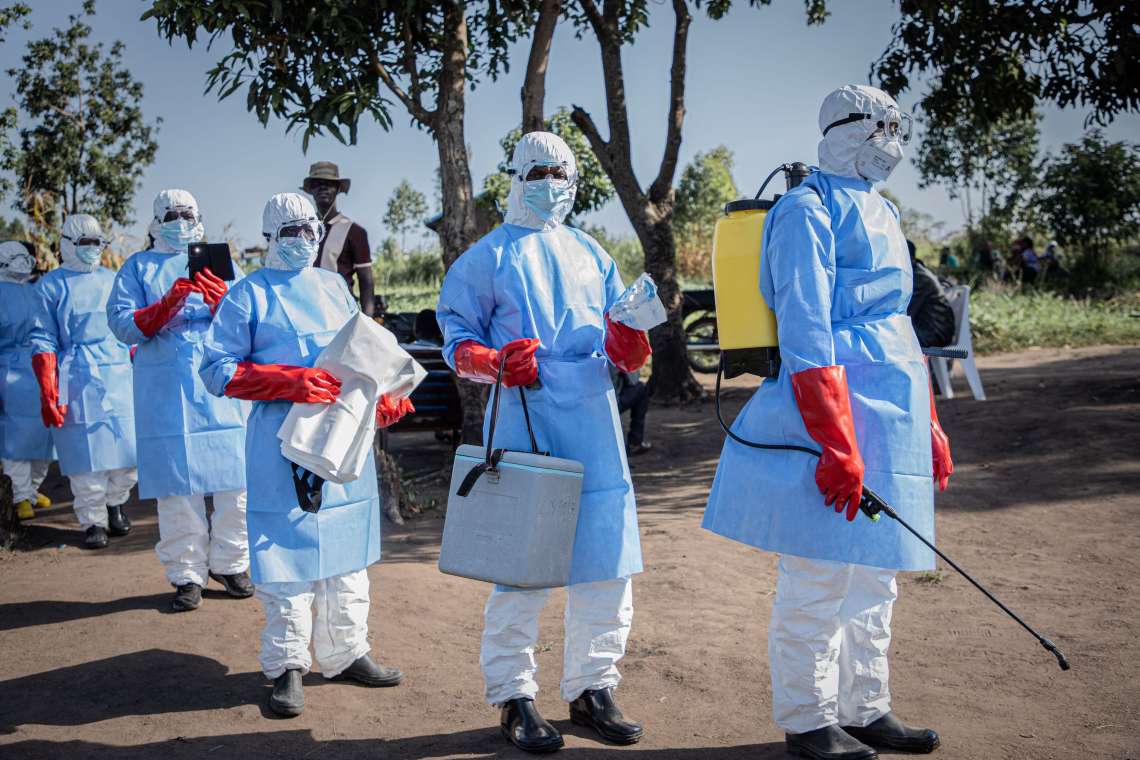
The Democratic Republic of the Congo (DRC) has reported 1,528 confirmed Ebola cases, including 492 deaths, as the country’s latest outbreak continues to expand amid sustained community transmission.
According to the latest situation report released by the DRC’s public health authorities, 239 patients have recovered, while 628 confirmed cases remain in isolation or hospital care. Authorities have also identified 185 suspected cases as health officials continue surveillance and response efforts.
The report noted that weekly confirmed infections have continued to increase, with epidemiological weeks 25 and 26 recording the highest case numbers so far, each exceeding 300 infections. Health authorities said the trend indicates ongoing community transmission of the virus.
Officials also highlighted several challenges hampering efforts to contain the outbreak. These include resistance from some communities to post-mortem sampling, limited capacity at Ebola treatment centres, particularly in the eastern province of North Kivu, inadequate contact tracing, delays in laboratory diagnosis, shortages of medical supplies and infection prevention equipment, as well as insecurity and restricted access in some affected areas.
Speaking during an online media briefing, World Health Organization (WHO) Regional Director for Africa Mohamed Yakub Janabi said the outbreak remains a major public health concern, with transmission continuing in the eastern provinces of Ituri and North Kivu.
Janabi said the current outbreak is the largest ever recorded involving the Bundibugyo strain of the Ebola virus.
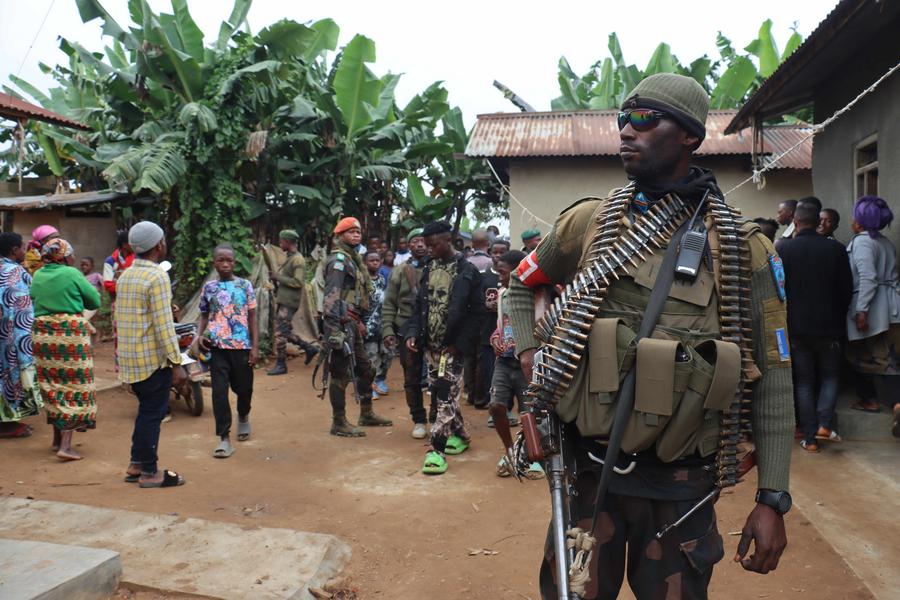
Pierre Akilimali, a WHO expert in the DRC, said the outbreak is unfolding in areas affected by armed conflict and insecurity, making it difficult for health workers to detect cases and trace contacts.
He added that several of the affected locations in Ituri are mining areas where frequent movement of people has increased the risk of further virus transmission.
The WHO announced earlier this week that a clinical trial has begun enrolling patients in the DRC to evaluate potential treatments for Ebola caused by the Bundibugyo virus, for which there is currently no approved vaccine or specific treatment.
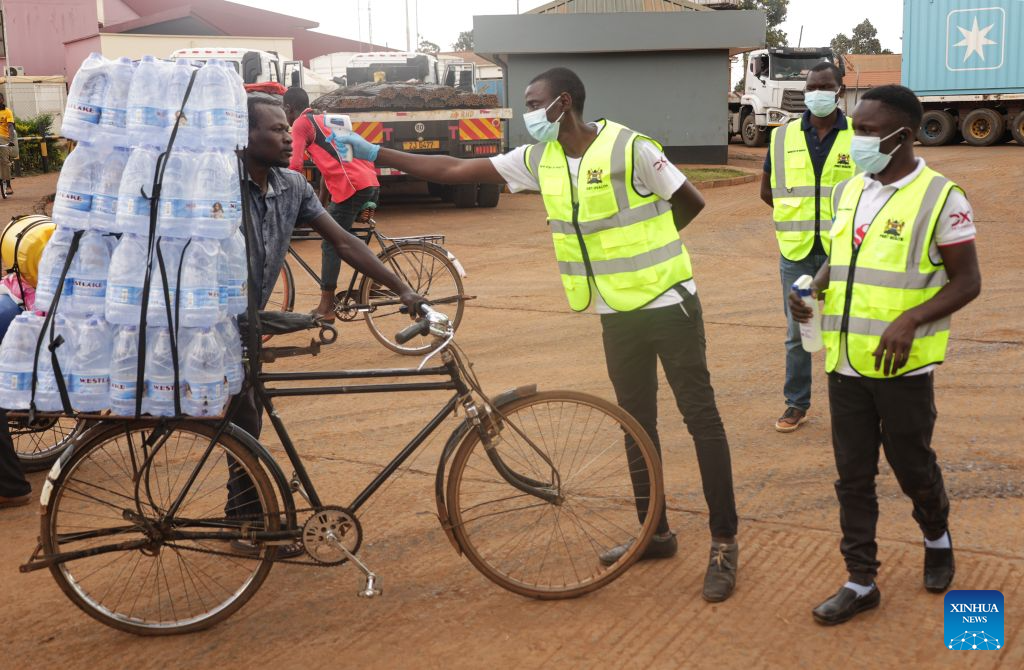
Meanwhile, WHO officials said neighbouring Uganda has reported 20 confirmed Ebola cases, including 15 imported infections. The remaining five locally acquired cases were identified while the individuals were already in quarantine, and no community transmission has been detected in the country so far.
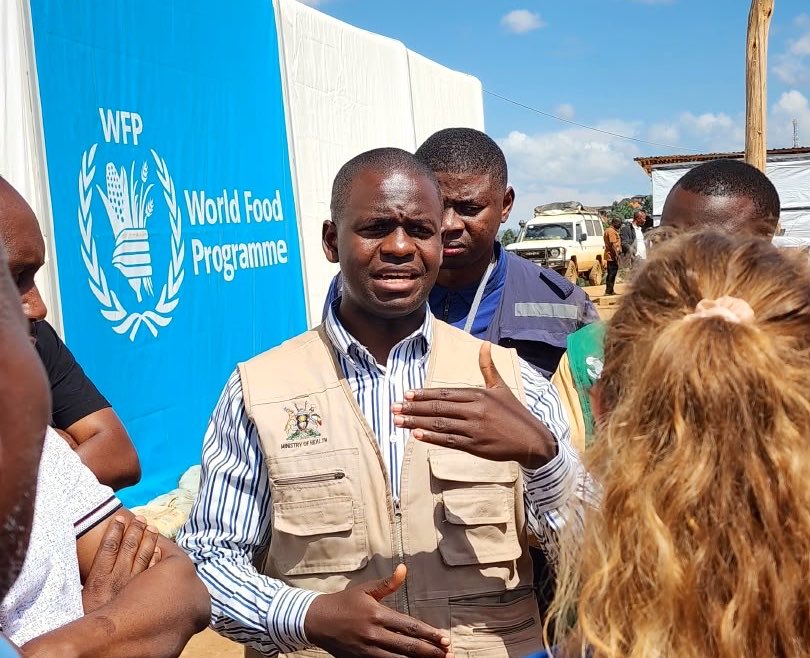
Benjamin Sensasi, a WHO expert in Uganda, said Uganda and the DRC have strengthened cross-border cooperation to prevent the spread of the disease.
The two countries have established a joint response mechanism and signed a memorandum of understanding to enhance the sharing of surveillance information and improve screening and treatment capacity in border regions.
Health authorities in both countries continue to monitor the situation closely as efforts intensify to contain the outbreak and prevent further cross-border transmission.