
The Ebola death toll in the Democratic Republic of the Congo has crossed 2,000, with more than 4,300 confirmed cases recorded since the outbreak was declared…reports Asian Lite News Desk
The death toll from the ongoing Ebola outbreak in the Democratic Republic of the Congo (DRC) has surpassed 2,000, according to figures released by the country’s public health authorities on Tuesday.
The DRC has recorded 4,381 confirmed Ebola cases, including 2,011 deaths, with the overall case fatality rate standing at 45.9 per cent, according to official data.
More than 700 patients remain in isolation or hospital care, while 869 people have recovered, the figures showed.
Cases have been reported in five provinces: Ituri, North Kivu, South Kivu, Haut-Uele and Tshopo. Ituri remains the epicentre of the outbreak, Xinhua News Agency reported.
“Today the Ebola epidemic surpassed 2,000 deaths, half of these in the last 20 days,” UN Senior Ebola Coordinator Julien Harneis said in a social media post on Tuesday.
“All of us in the response, aid workers, organisations, governments, donors, with the community, must do more, and do it today, to save lives and stop Ebola,” he said.
The DRC government declared the outbreak on May 15. The outbreak is being caused by the Bundibugyo ebolavirus, a species for which there is currently no approved vaccine or specific treatment.
Clinical trials of candidate vaccines and therapeutics are, however, underway as health authorities and international organisations work to contain transmission.
The outbreak has become the largest Ebola outbreak ever recorded in the DRC and the second-largest globally, after the 2014-2016 epidemic in West Africa.
The scale of the current outbreak has raised concerns over delays in detecting and responding to transmission, particularly in areas where health systems face significant challenges.
On Monday, a senior World Health Organisation (WHO) official said the outbreak may have begun as early as February, several months before it was officially declared.
Speaking at a press conference in Bunia, the capital of Ituri Province, WHO Regional Director for Africa Mohamed Yakub Janabi said genetic sequencing studies indicated that the virus had likely been circulating for months before it was detected.
“We are chasing the virus. The virus is ahead of us,” Janabi said, highlighting the possibility that transmission had continued undetected for an extended period.
Janabi said some infections during the early phase may initially have been attributed to other diseases, including malaria and typhoid. This may have contributed to delays in recognising the scale of Ebola transmission, he said.
The possibility of prolonged undetected circulation adds to the challenges facing health authorities as they attempt to identify cases, trace contacts and isolate infected people.
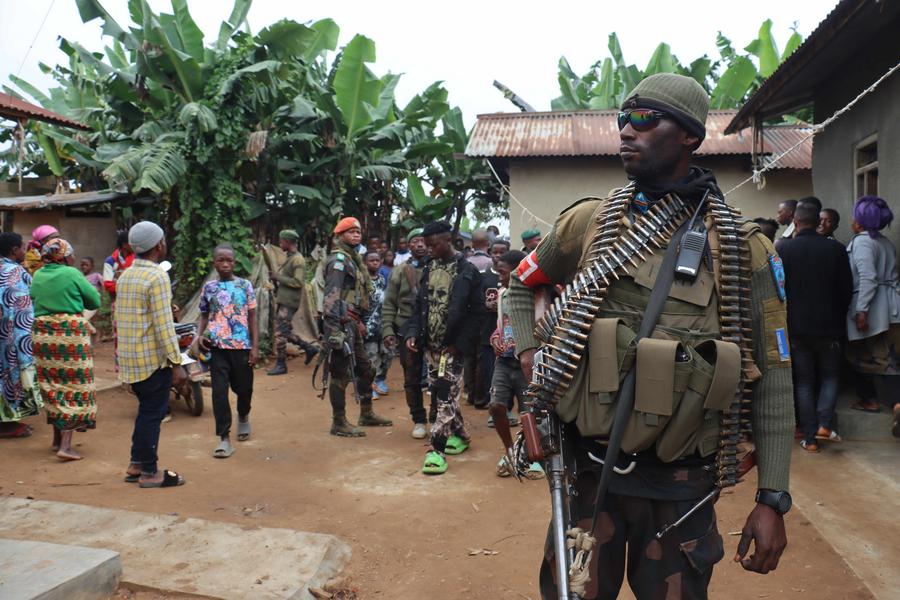
The outbreak is centred in eastern DRC, a region that has previously experienced Ebola outbreaks and faces complex public health and humanitarian challenges.
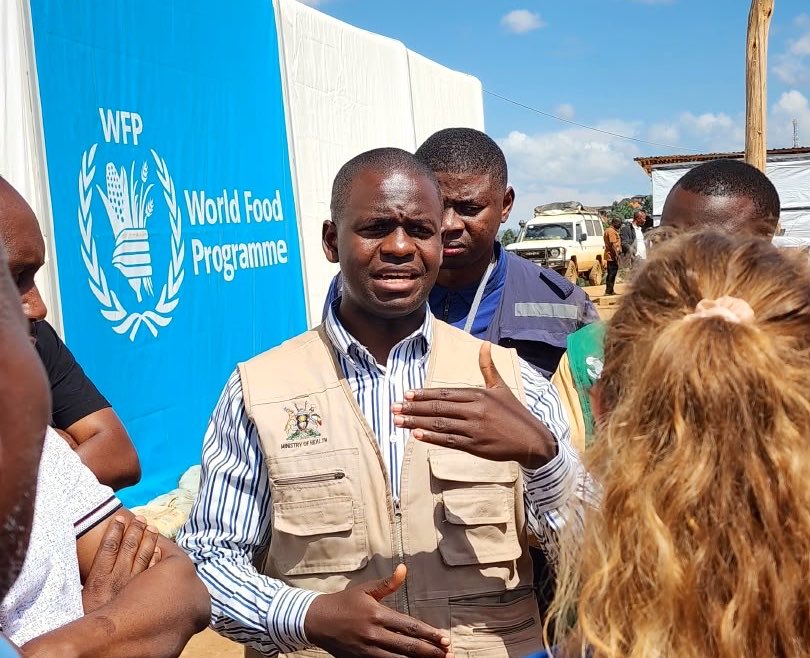
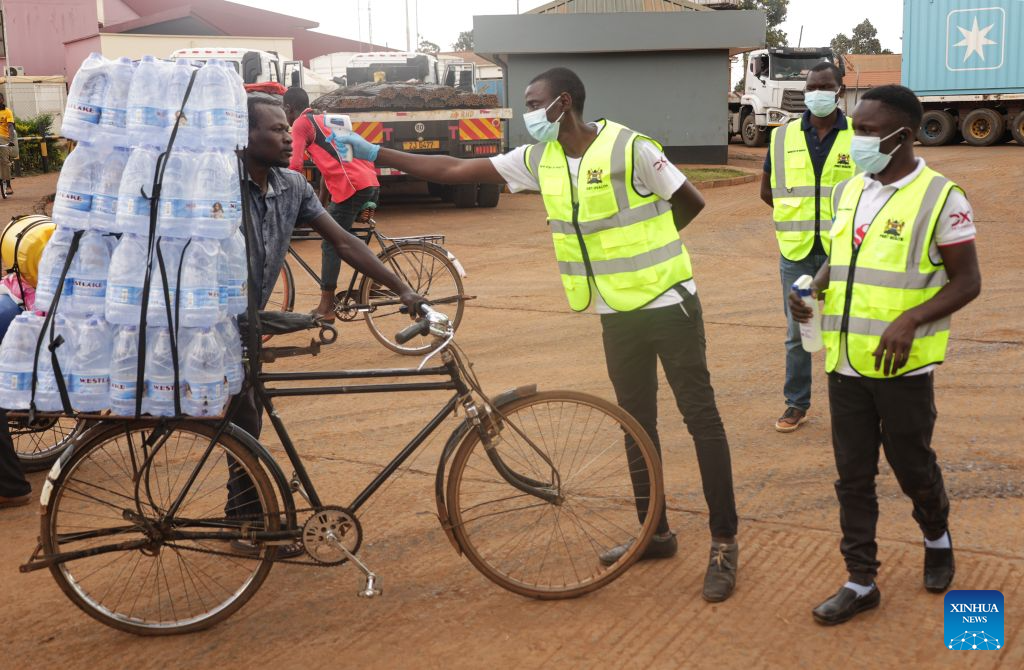
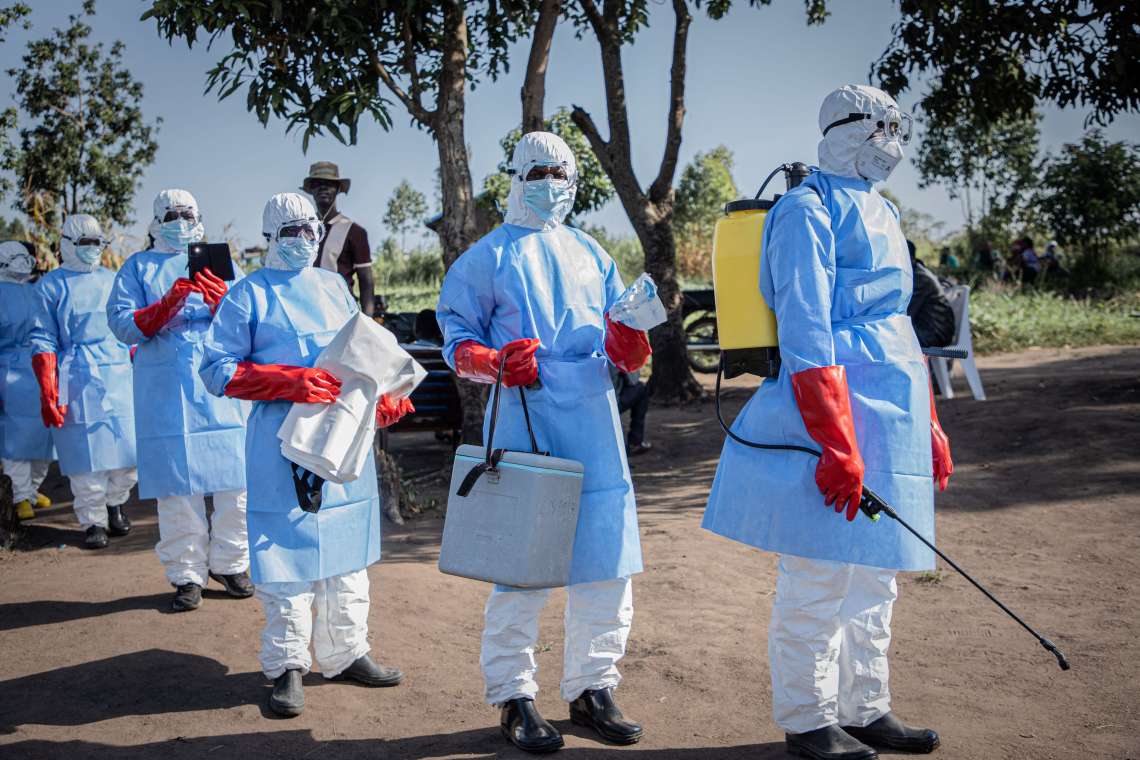
Health authorities and international partners are continuing surveillance and response efforts, while officials have called for stronger community participation and faster detection of suspected cases.
The crossing of the 2,000-death mark represents a significant escalation in the outbreak and underscores the need for sustained medical and humanitarian efforts to contain the virus.
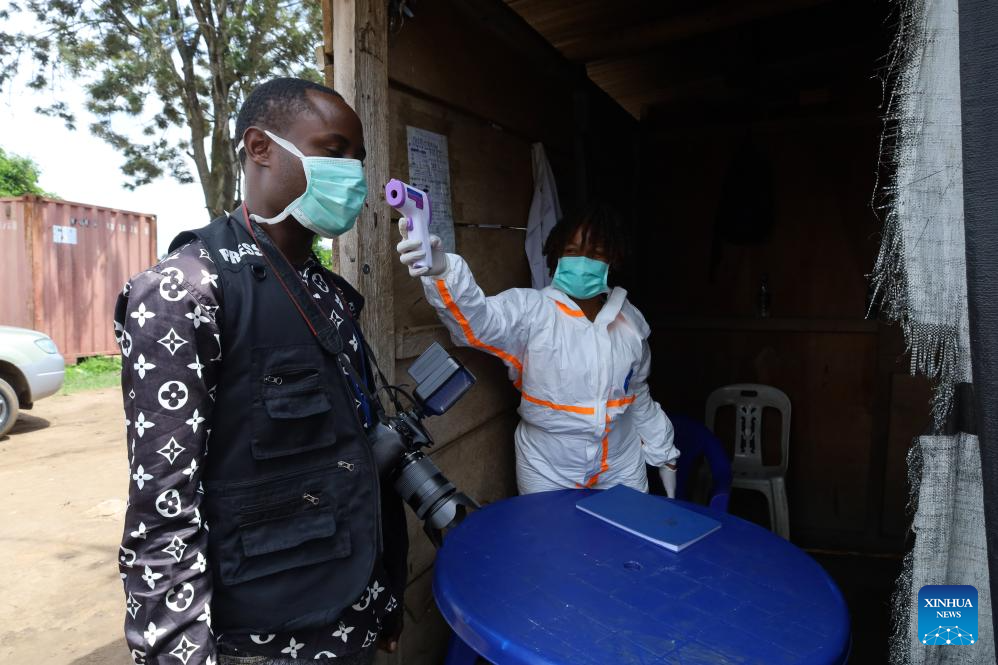
Officials have stressed that early detection, isolation and treatment, together with effective contact tracing and community engagement, remain critical to reducing transmission and preventing further deaths.