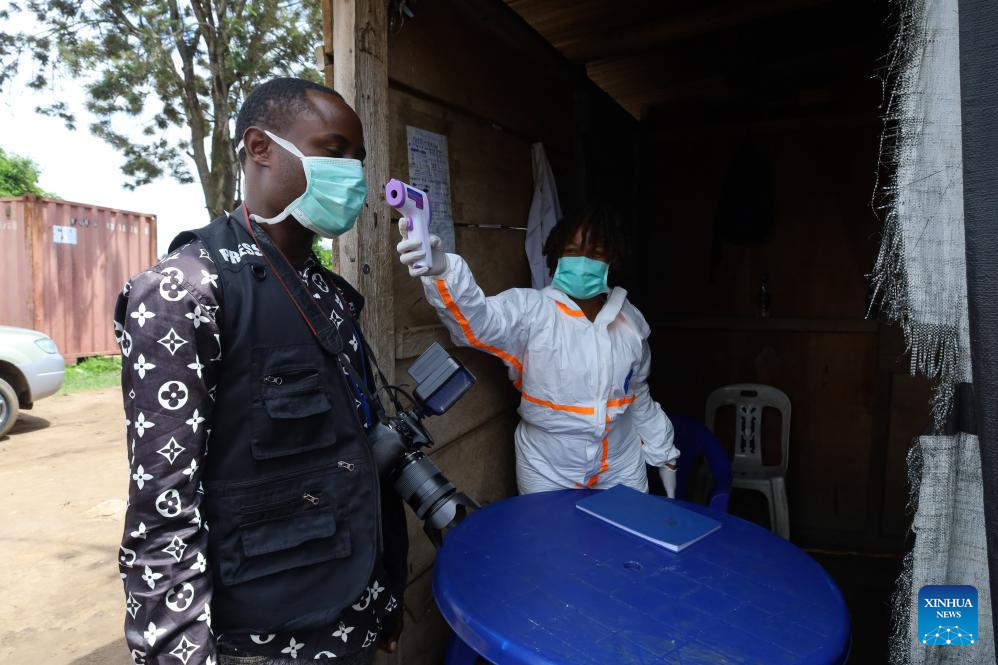

The regional bloc is stepping up surveillance and preparedness efforts amid concerns over the spread of the Bundibugyo strain…reports Asian Lite News Desk
The East African Community (EAC) will convene an extraordinary virtual meeting of health ministers on June 1 and 2 to coordinate a regional response to the ongoing Ebola outbreak affecting parts of East Africa.
The emergency meeting will focus on measures to contain the outbreak caused by the Bundibugyo strain of the Ebola virus, a rare variant for which there is currently no licensed vaccine or specific treatment.
According to the regional bloc, the high level discussions come amid growing concerns following Ebola outbreaks reported in the Democratic Republic of the Congo (DRC) and Uganda.
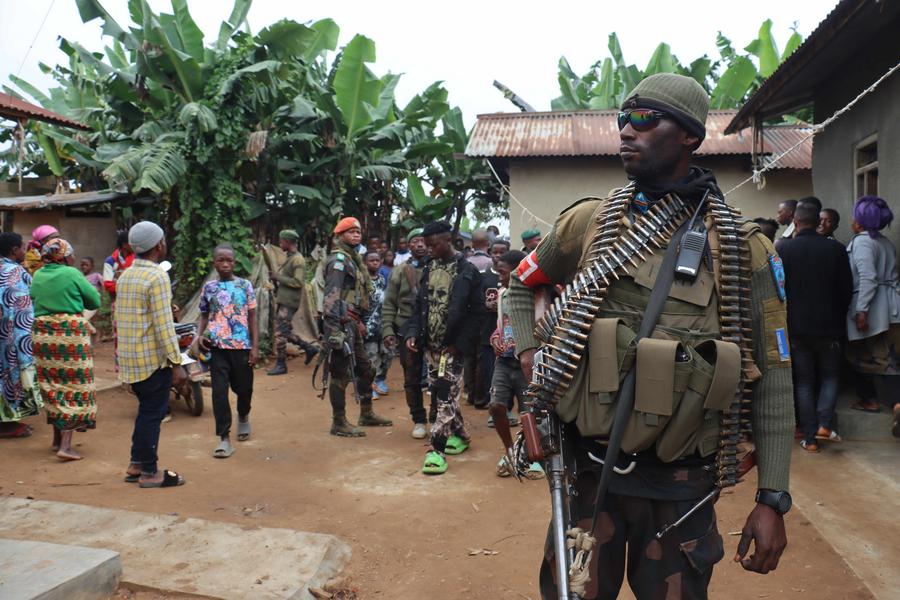
The EAC said the current outbreak is concentrated in eastern DRC, particularly in Ituri Province, an area characterised by significant cross border movement, increasing fears of wider regional transmission.
EAC Secretary General Stephen Mbundi said the organisation is intensifying preparedness efforts through coordinated surveillance, laboratory testing, infection prevention and public awareness campaigns.
“We are working closely with member states, the Africa Centres for Disease Control and Prevention and the World Health Organization to prevent cross border transmission and protect public health,” Mbundi said.

As part of the response, the EAC has deployed nine mobile laboratories at key border points and activated a pool of more than 180 rapid response experts to support affected areas.
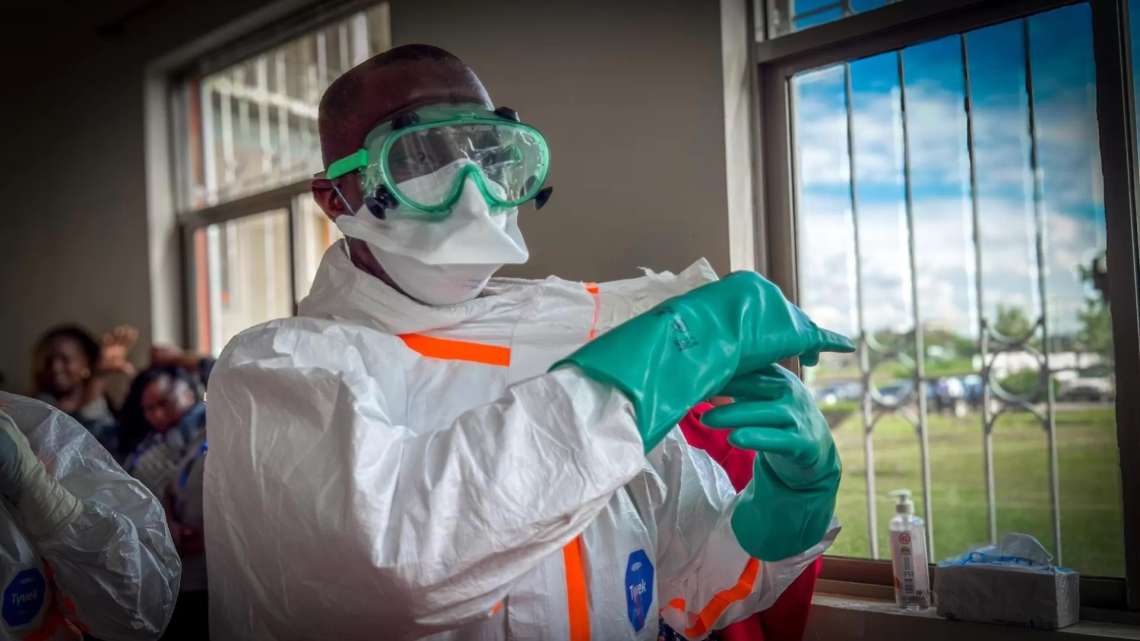
The regional body is also conducting specialised training programmes for healthcare workers and supplying personal protective equipment to strengthen frontline defences against the disease.
Mbundi said efforts are also underway to establish a regional framework that would help accelerate the approval of Ebola vaccines and diagnostic tools during future outbreaks.
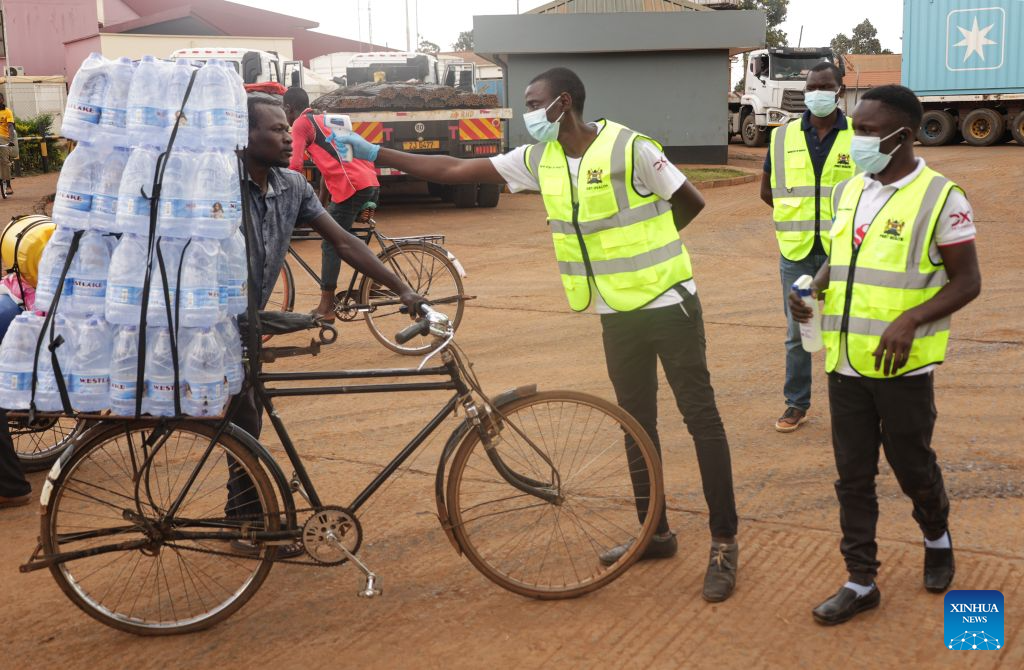
The EAC has urged its member states to strengthen disease surveillance systems, enhance public awareness and maintain a high level of emergency preparedness to limit the risk of further spread.
The East African Community is a regional intergovernmental organisation comprising eight member states: Burundi, the Democratic Republic of the Congo, Kenya, Rwanda, Somalia, South Sudan, Tanzania and Uganda. The bloc works to promote economic, political and social integration across the region.