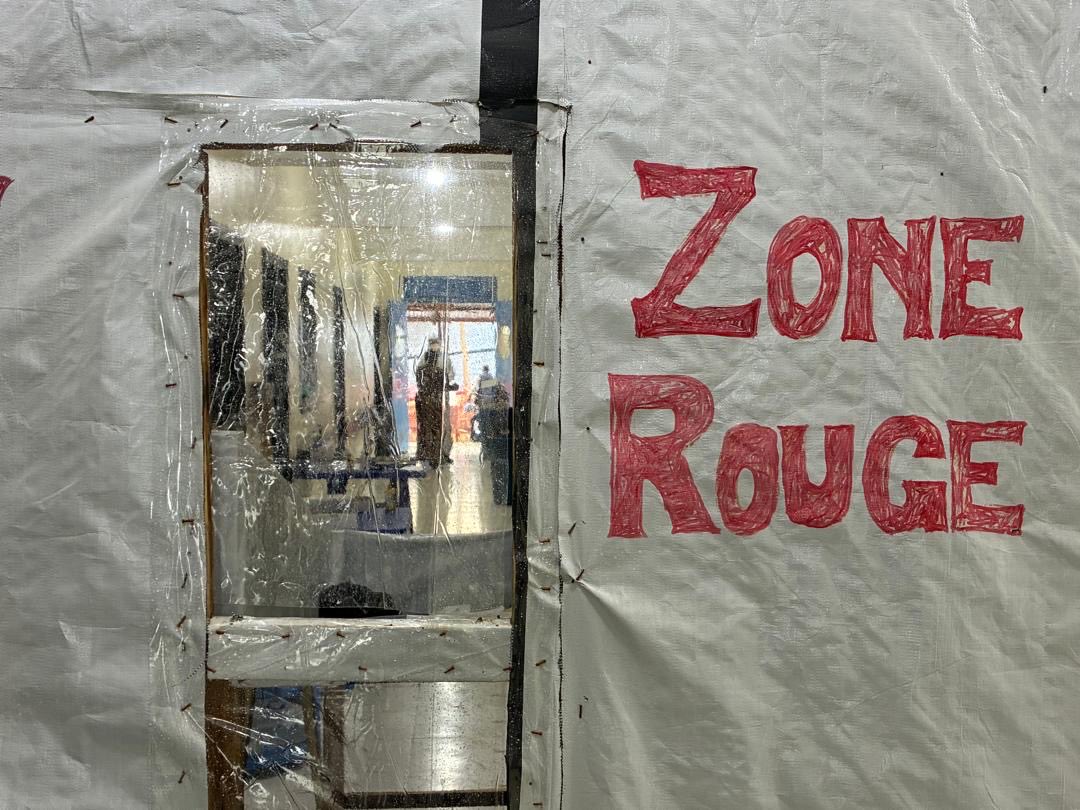

Six-month emergency plan launched as outbreak spreads across 60 health zones and claims more than 3,000 lives…reports Asian Lite News Desk
The Democratic Republic of the Congo has launched an updated six-month emergency response plan to intensify efforts against a rapidly spreading Ebola outbreak that has killed more than 3,000 people.
The 180-day multisectoral plan, backed by the World Health Organization, Africa Centres for Disease Control and Prevention and other international partners, will serve as the operational roadmap for containing the outbreak over the next six months.
Full implementation of the revised strategy is expected to require an estimated $1.3 billion in funding.
The outbreak, caused by the Bundibugyo strain of the Ebola virus, had resulted in 6,342 reported cases and 3,072 deaths as of September 2, according to the WHO Regional Office for Africa. The disease has spread across 60 health zones in six provinces.
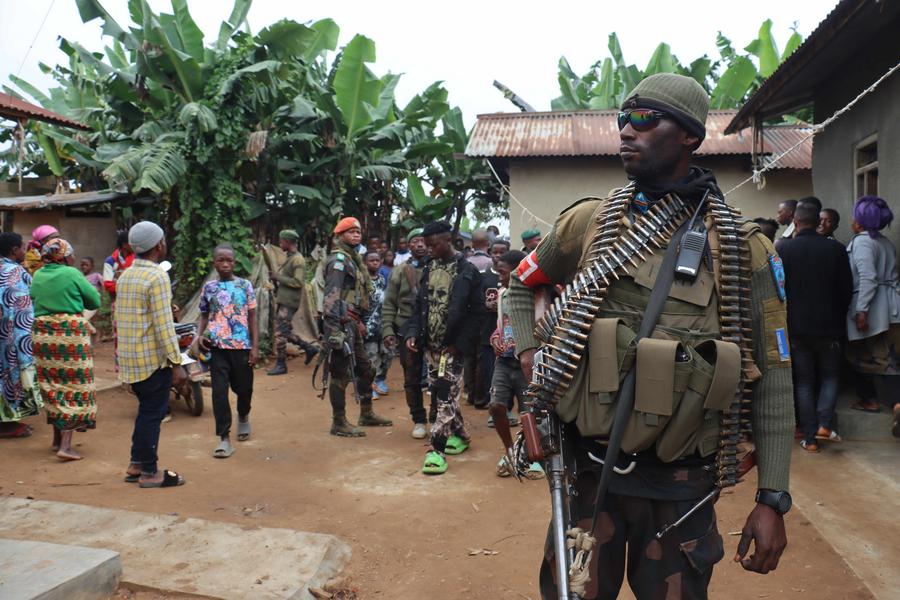
Health authorities have raised alarm over the number of people dying within communities without ever reaching medical facilities or being identified as contacts of confirmed cases.
“Every case detected too late, every contact missed, and every delay in mobilising resources translates into lives lost,” Anne Ancia, acting WHO representative in the DRC, said, calling for a faster and more coordinated response.
Health Minister Roger Kamba said the scale of the crisis required action beyond the health sector, with communities, government institutions, aid agencies and international donors all playing a role.
“The government is fully mobilised to protect every Congolese,” he said.
UN Resident Coordinator in the DRC Damien Mama said the Ebola response must be integrated into the country’s wider humanitarian operations and supported by sufficient and predictable funding.
The Africa CDC has also pledged continued assistance, including efforts to mobilise resources, coordinate partners and strengthen community involvement.
The latest plan comes as authorities race to contain what has become the fastest-growing Ebola outbreak recorded in the DRC. Officially declared in May, the outbreak has expanded rapidly, putting renewed pressure on the country’s already fragile health system.
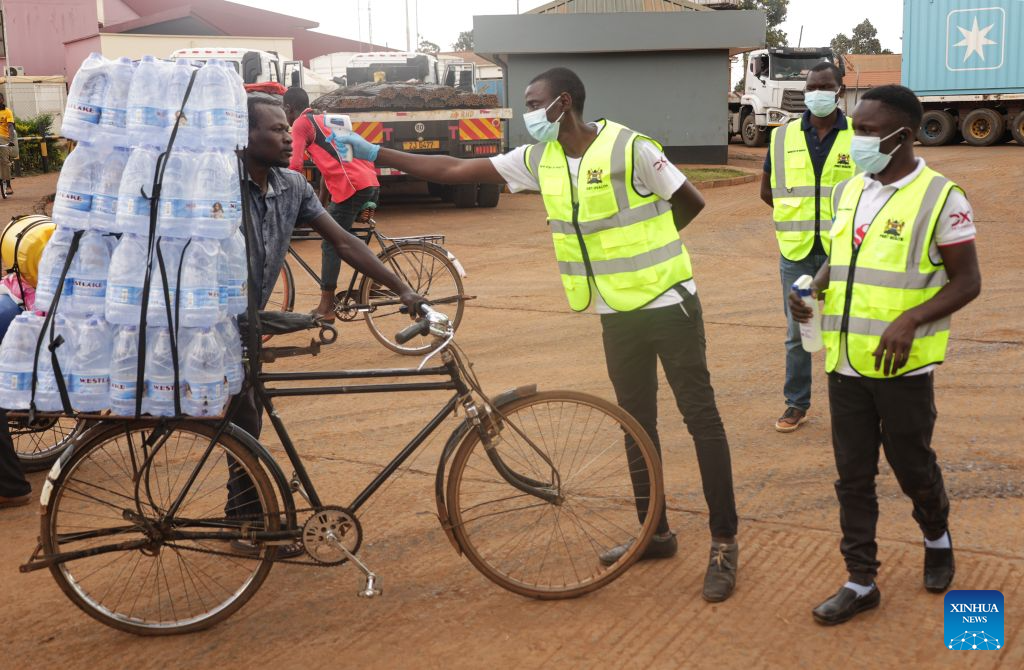
The revised strategy aims to strengthen surveillance, improve case detection and treatment, trace contacts and increase community engagement in a bid to halt further transmission.