
Deadly clashes and arrests have followed nationwide protests against proposed constitutional changes in DR Congo, with opponents warning they could enable Tshisekedi’s third term, reports Africa Daily News Desk
Protests against proposed constitutional changes in the Democratic Republic of Congo have been met with tear gas, arrests and deadly clashes, as opposition groups accuse President Felix Tshisekedi of seeking to clear the way for a third term.
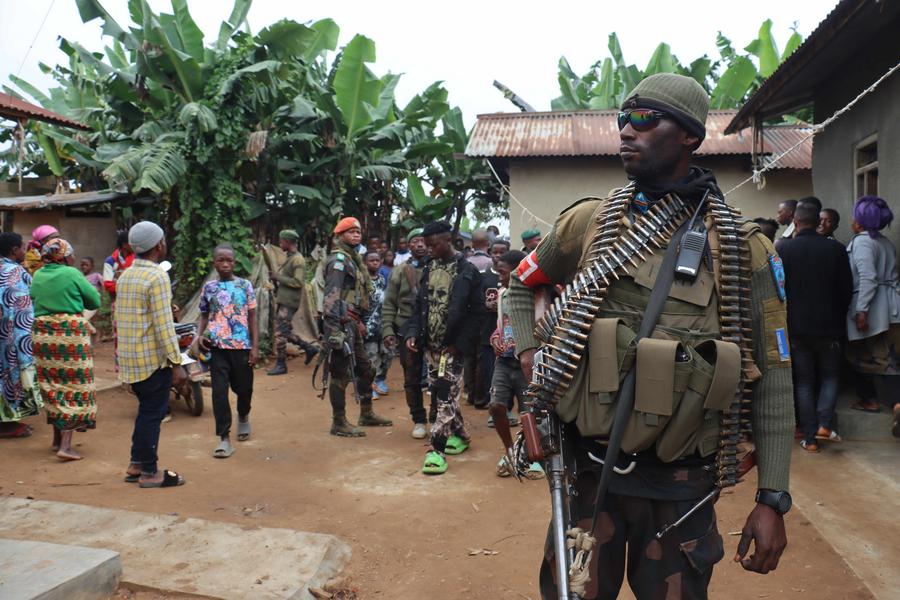
Hundreds of people took to the streets in Kinshasa and other cities on September 15 after the opposition C64 coalition called for nationwide demonstrations against the proposed changes. Police dispersed crowds in the capital with tear gas and warning shots after clashes broke out between opposition protesters and pro-government supporters.
The opposition later said one of its supporters, Manasse Lomboto Bomengola, died after the clashes in Kinshasa. He was a member of the ADD Congo opposition party, according to the C64 coalition. No independent death toll has been established, and authorities have not confirmed responsibility for the death.
The unrest also spread to several other parts of the country. In Lubumbashi, a major mining city in southeastern Congo, security forces broke up a demonstration that local authorities had banned. Opposition sources reported multiple arrests, while police disputed claims that peaceful demonstrators had been detained. In Mbandaka, about 100 activists were dispersed and around 10 people were reportedly arrested, according to AFP reporting.
Smaller demonstrations were also disrupted in parts of South Kivu and Tanganyika, while authorities imposed restrictions on public gatherings in several areas. The government has cited public order and health concerns, including restrictions linked to an Ebola outbreak, while opposition groups argue that the measures are being used to suppress political dissent.
At the centre of the dispute is a proposed overhaul of the country’s constitutional framework. Critics say the changes could eventually allow Tshisekedi to seek a third term, despite the current Constitution limiting presidents to two five-year terms.
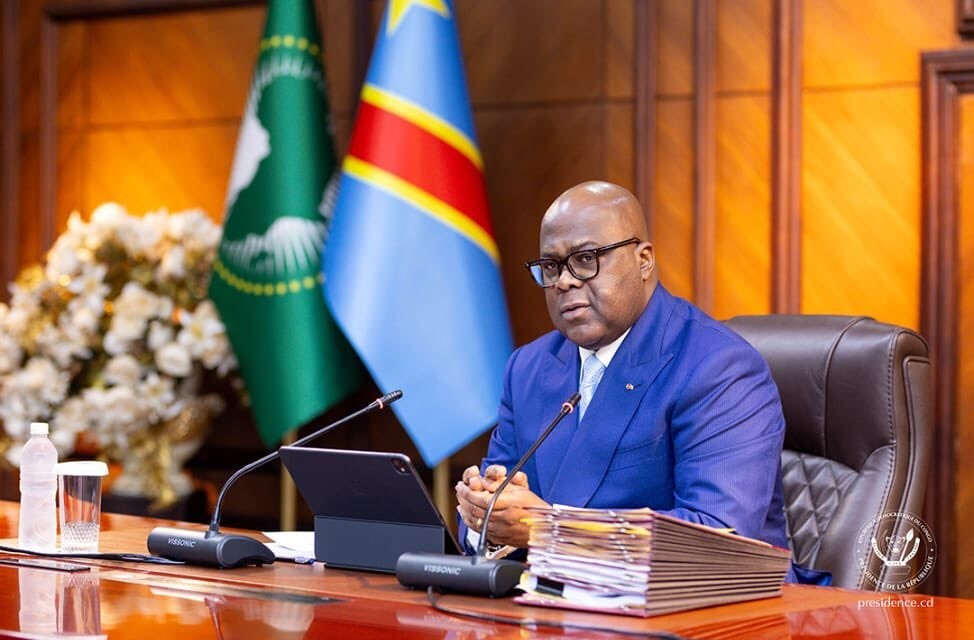
Tshisekedi has been president since 2019 and won re-election in 2023. His second term is due to end in 2028. He has indicated that he would consider another candidacy if voters approve it through a referendum, but has not formally announced a third-term bid.
The National Assembly, which is dominated by Tshisekedi’s political alliance, has backed legislation that could provide a route for constitutional amendments through a referendum under certain circumstances. The proposal has become the focus of growing opposition fears that presidential term limits could eventually be changed.
Opposition parties have united under the C64, or Coalition Article 64, to challenge the proposed reforms. The alliance includes figures such as former presidential candidates Martin Fayulu and Moise Katumbi, as well as other prominent opposition leaders. The coalition argues that changing the constitutional rules to accommodate a third presidential term would threaten political stability.
The September protests were not the first confrontation over the issue. C64 also organised a demonstration in Kinshasa in June, which was dispersed by security forces. The United Nations said at least one person was killed during that earlier protest.
Tensions have also risen as Tshisekedi’s government faces several other major challenges. Fighting involving the Rwanda-backed M23 armed group has destabilised large parts of eastern Congo, while the country is simultaneously dealing with an Ebola outbreak and a wider humanitarian crisis.
Government spokesman Patrick Muyaya criticised the opposition for what he described as misinformation surrounding the protests and stressed that the Constitution recognises the right to demonstrate, provided it is exercised within the law.
Opposition leader Martin Fayulu, who attended the Kinshasa demonstration, accused security forces of working with pro-government groups and described the crackdown as violent. Those allegations have not been independently established.
The government has also defended its handling of the demonstrations, while opposition figures have demanded investigations into the violence and arrests.
The confrontation leaves Congo facing a renewed political crisis over the country’s constitutional future. With Tshisekedi’s second term scheduled to end in 2028, opponents fear that changing the constitutional framework now could reshape the next presidential contest.
For the opposition, the protests are an attempt to prevent that possibility from advancing. For the government, the proposed reforms remain part of a broader constitutional process that it says should be determined through legal and democratic mechanisms.