
Children aged 17 and below account for about 21 per cent of confirmed Ebola cases but one-third of reported deaths in the Democratic Republic of the Congo…reports Africa Daily News Desk
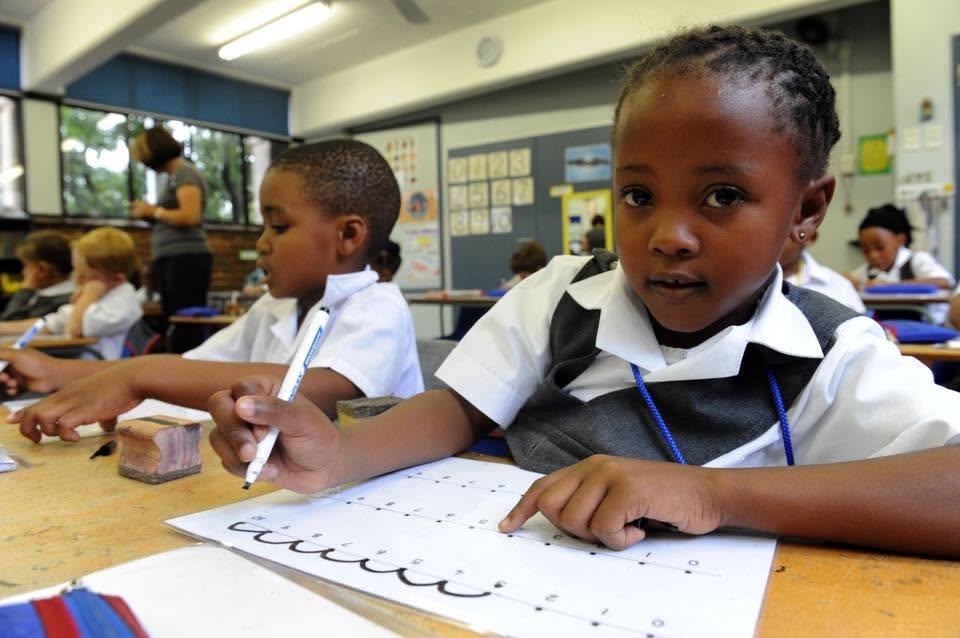
Children account for about one-third of reported deaths in the ongoing Ebola outbreak in the Democratic Republic of the Congo (DRC), despite making up around one-fifth of confirmed cases, according to UNICEF.
Children aged 17 and below represent approximately 21 per cent of confirmed cases but account for 33 per cent of reported deaths, highlighting a growing mortality burden among children and the need for stronger paediatric care.
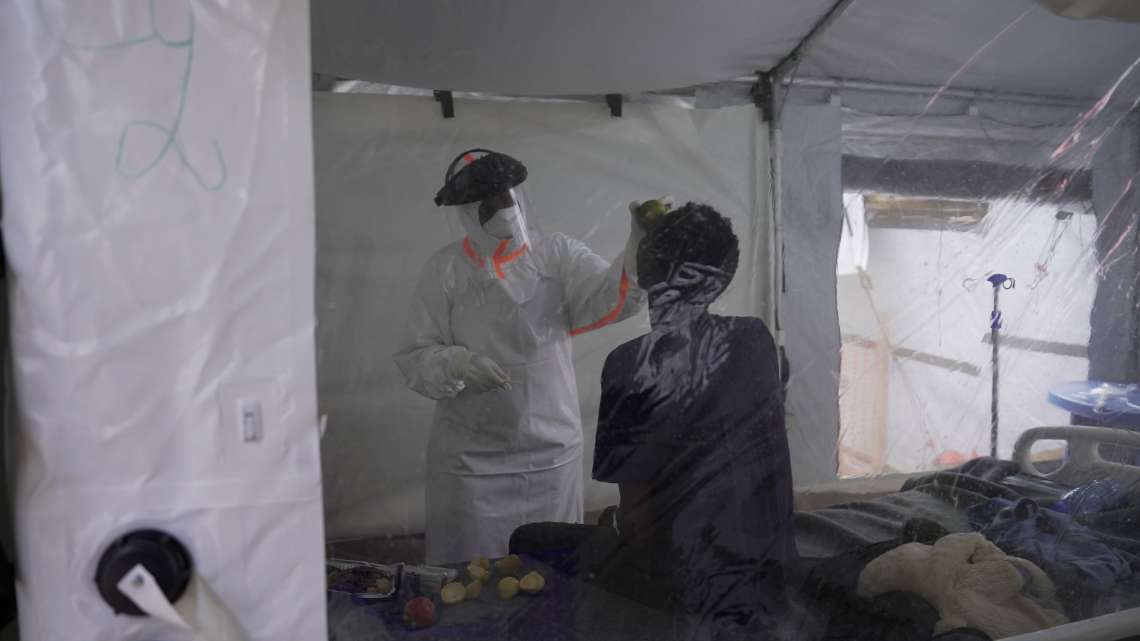
UNICEF said treatment services remain under pressure, with delayed referrals, overcrowding, limited critical care and paediatric capacity, resource constraints and gaps in data reporting affecting the response.
The UN agency called for faster community surveillance and contact tracing, as well as stronger early detection, timely referrals and access to appropriate paediatric care.
As of Sunday, the DRC had reported 5,021 confirmed cases across 55 health zones in six provinces, with a case fatality rate of 47.4 per cent, according to the latest report from the WHO Regional Office for Africa.
The World Health Organisation has maintained that the outbreak remains a Public Health Emergency of International Concern as the epidemic surpasses 5,000 cases, spreads into new areas and authorities pursue experimental vaccines and treatments.
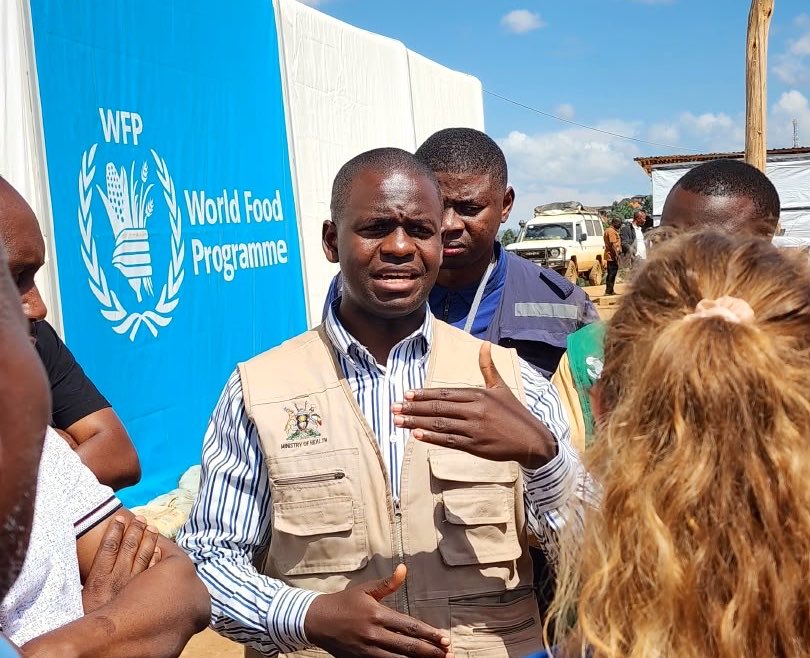
WHO Director-General Tedros Adhanom Ghebreyesus said the outbreak was now the second-largest Ebola outbreak ever recorded and was spreading faster than previous outbreaks.
The current epidemic, caused by the Bundibugyo ebolavirus, has surpassed the 2018-2020 outbreak in eastern DRC, which was previously the country’s deadliest Ebola outbreak.
The Africa Centres for Disease Control and Prevention said on Monday that the current outbreak was killing roughly one person every 30 minutes and warned that it could become the deadliest Ebola epidemic ever recorded globally if its trajectory was not urgently reversed.
“We must be frank: the epidemic is far from being under control,” Tedros said. “It had a big head start, and we are still playing catch-up.”
During the first 95 days of reporting, the seven-day moving average rose to more than 90 confirmed cases a day, significantly higher than at the same stage of the 2014-2016 West Africa epidemic and the DRC’s 2018-2020 outbreak, according to a WHO situation report.
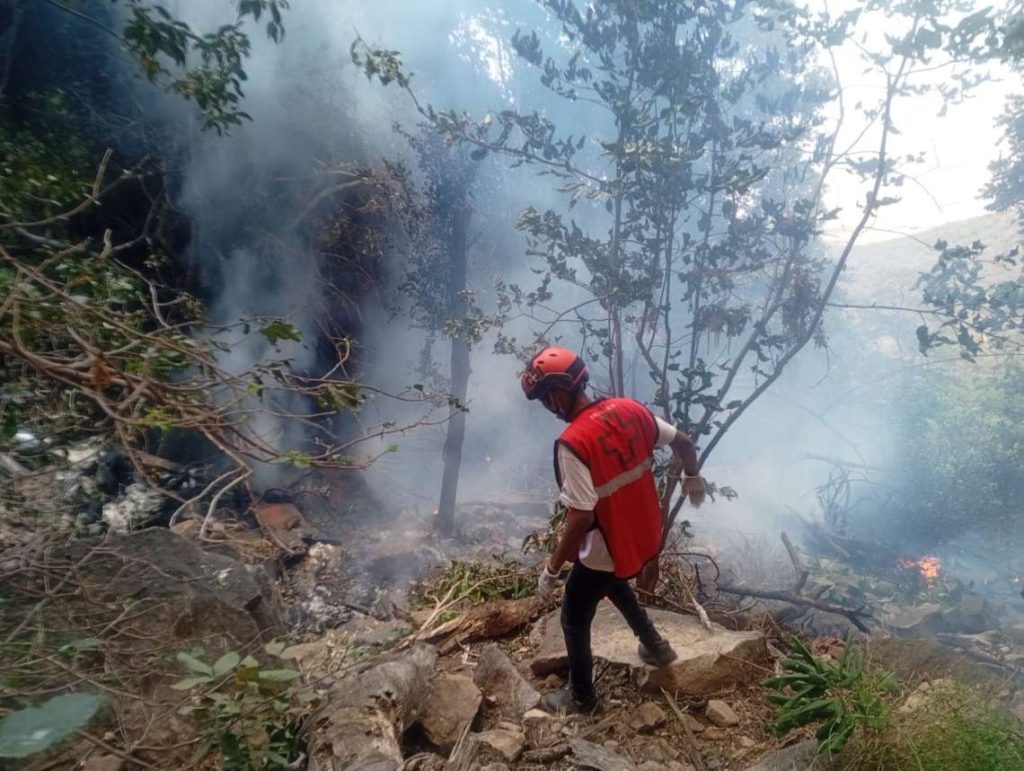
Ituri province remains the epicentre of the outbreak, accounting for 84.8 per cent of cumulative cases. However, infections are accelerating in neighbouring provinces, increasing pressure on health services and response teams.
The WHO warned that the high mortality rate, deaths occurring outside treatment facilities, a growing surveillance workload and uneven response capacity indicate that current measures are not yet sufficient to interrupt transmission.
The latest figures have further raised concerns over the impact of the outbreak on children, with UNICEF stressing the need to strengthen paediatric services and ensure patients are identified and referred for treatment as early as possible.