
Aid workers face detentions, threats and access restrictions as violence disrupts efforts to contain the Ebola outbreak in eastern DR Congo…reports Africa Daily News Desk
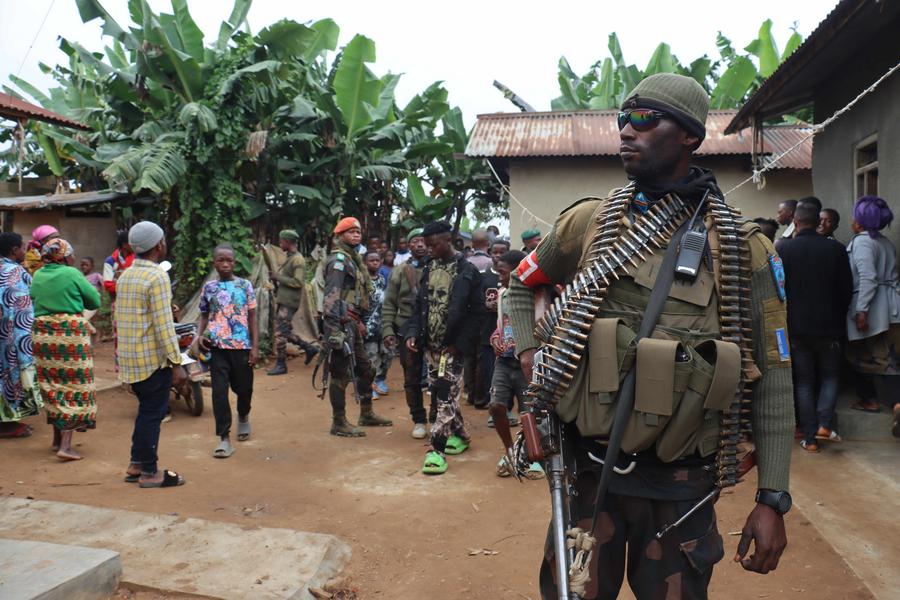
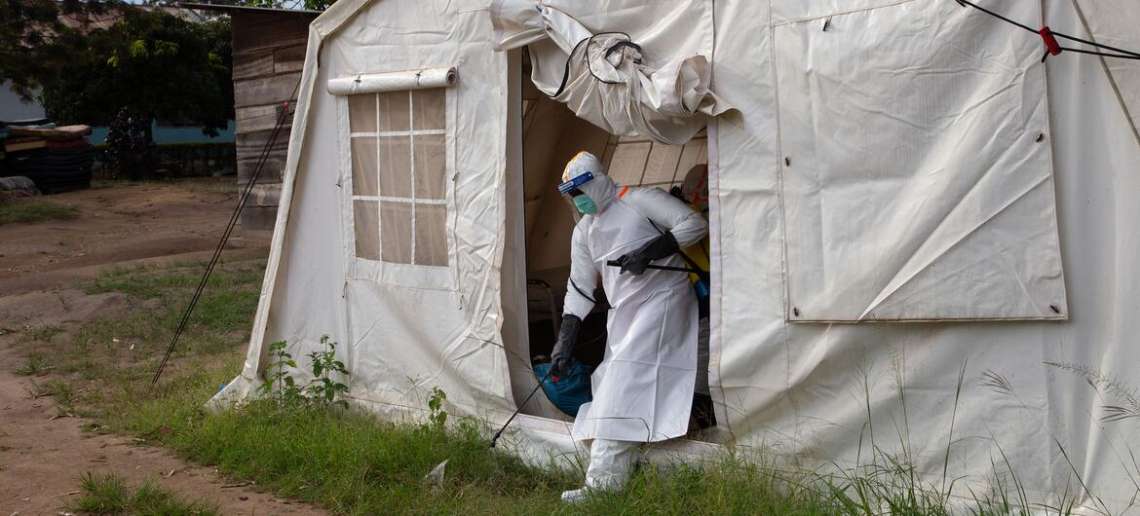
Armed groups operating in eastern Democratic Republic of the Congo (DRC) are obstructing efforts to contain an Ebola outbreak, with aid workers facing detentions, threats and severe access restrictions, the United Nations said.
The UN Office for the Coordination of Humanitarian Affairs (OCHA) reported that five Ebola response workers were briefly detained by armed groups in Ituri province on Tuesday. The province remains the epicentre of the outbreak, accounting for more than 90 per cent of all confirmed Ebola cases.
In neighbouring South Kivu province, ongoing fighting has continued to limit humanitarian access in several areas, forcing thousands of civilians to flee their homes. According to OCHA, nearly 20,000 people were displaced on Monday following clashes in the territories of Mwenga and Shabunda.
The displaced families are in urgent need of food, shelter, healthcare, safe drinking water and protection services.
Humanitarian operations in Fizi territory have also come under pressure, with repeated interference by armed groups threatening both aid delivery and the safety of relief workers.
OCHA said that between January and May this year, at least 57 incidents directly affecting humanitarian operations were recorded in South Kivu alone. These included threats against aid personnel, restrictions on movement and interference with the delivery of humanitarian assistance.
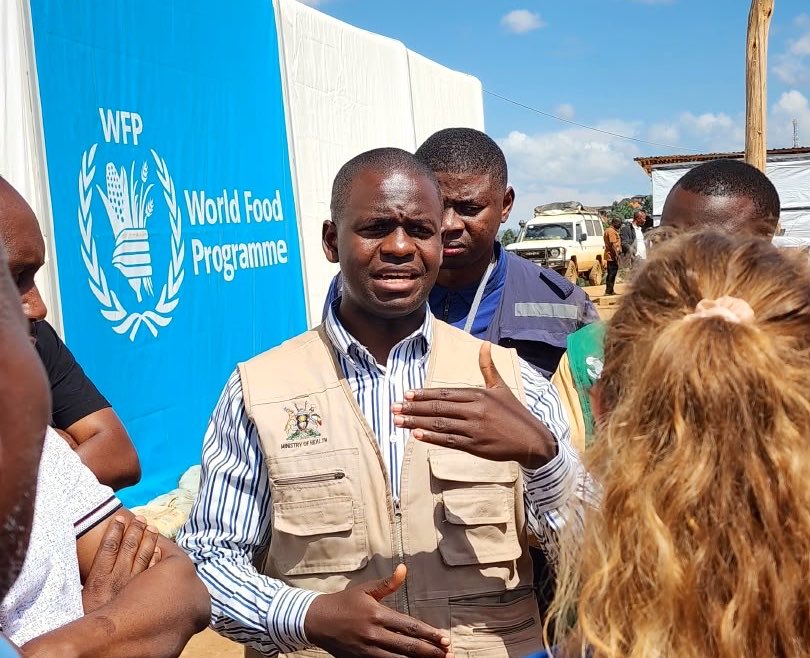
Despite the challenging security situation, the United Nations and its humanitarian partners continue to support Congolese authorities in containing the outbreak and providing aid to affected communities.
“However, humanitarian personnel cannot operate safely without security guarantees,” OCHA said.
The UN reiterated its call on all parties involved in the conflict to protect civilians and ensure safe, rapid and unhindered access for humanitarian workers to reach people in need.
Ebola was first identified in 1976 during simultaneous outbreaks in what are now South Sudan and the Democratic Republic of the Congo. The disease was named after the Ebola River near Yambuku in the DRC, where one of the first recorded outbreaks occurred.