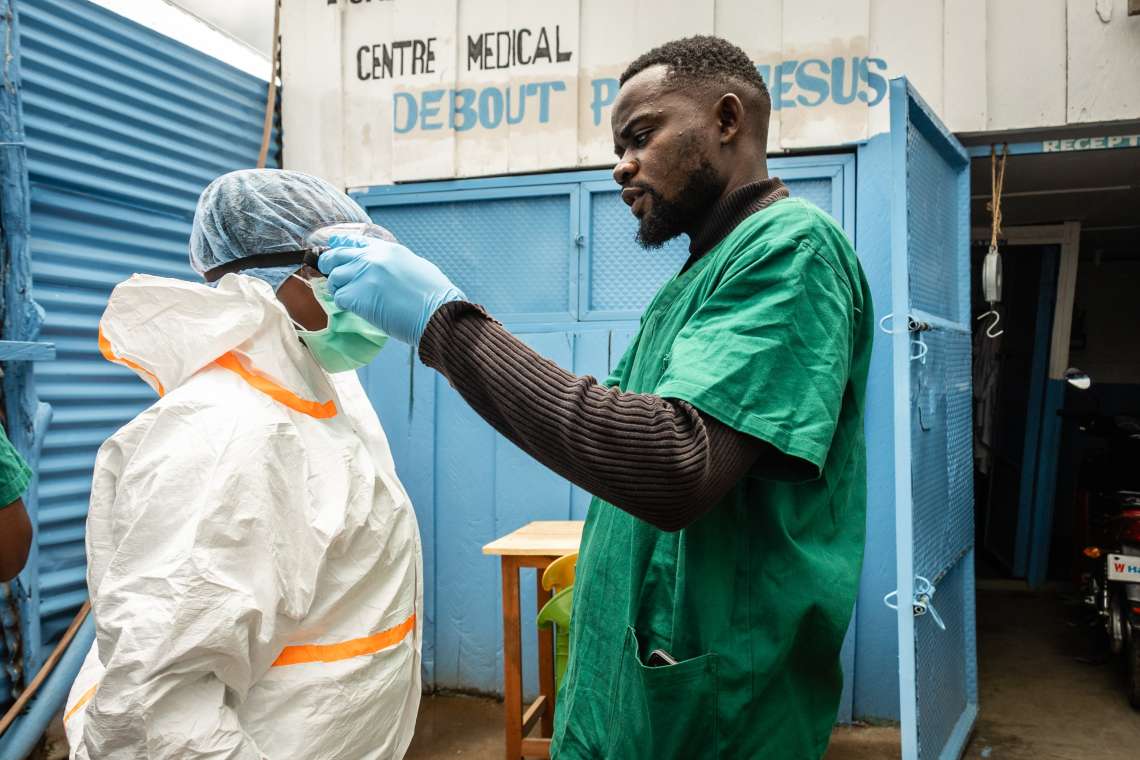

Africa CDC says recent fall in infections is encouraging but outbreak remains a major threat..reports Asian Lite News Desk
The Africa Centres for Disease Control and Prevention (Africa CDC) has warned that it is still too early to declare the Ebola outbreak in the Democratic Republic of the Congo under control, despite a recent decline in reported cases.
Health officials said there were encouraging signs of stabilisation in parts of the country, but transmission remains active across most of the affected areas and community deaths continue to pose a major challenge.
“We’re still early to say that we’re controlling the whole outbreak,” Wessam Mankoula, an Africa CDC official, said during an online press briefing on Thursday.
According to the latest government situation report, the DRC had recorded 6,250 confirmed Ebola cases and 3,039 deaths as of September 1, giving the outbreak a case fatality rate of 48.6 per cent. A total of 1,439 patients have recovered.
The outbreak has now spread across 60 health zones in six provinces, underlining the scale of the public health emergency.
Four health zones have successfully interrupted transmission after reporting no new cases for more than 42 days, while another five areas have gone between 21 and 42 days without recording a new infection.
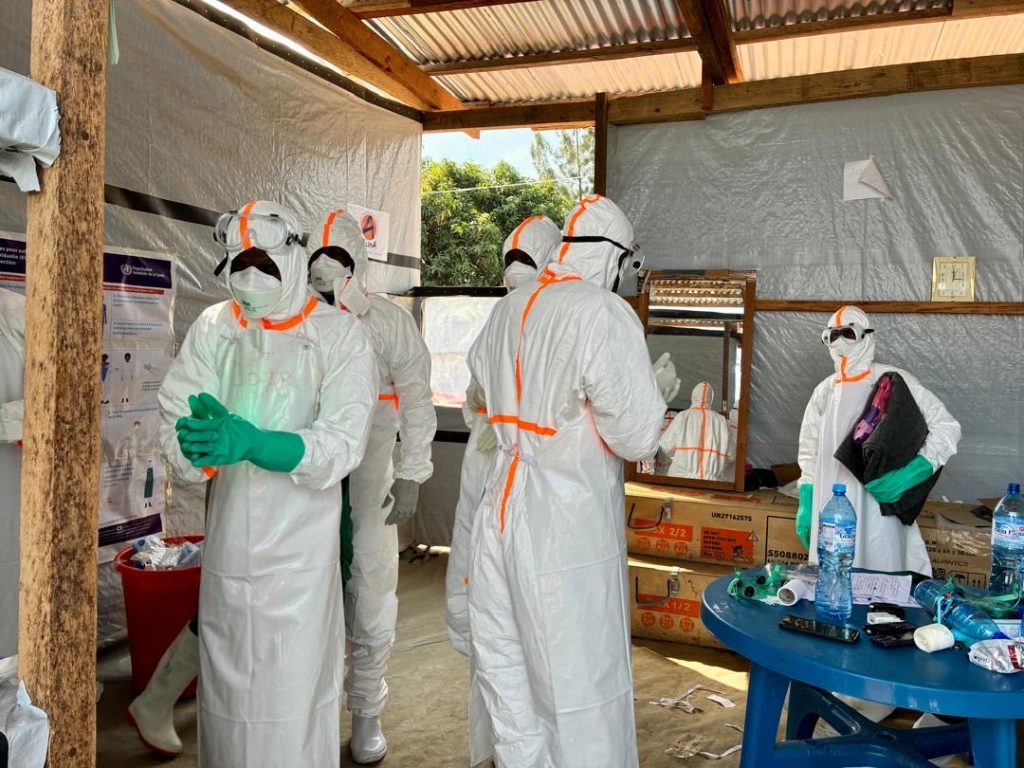
However, Ebola transmission remains active in 51 health zones, prompting Africa CDC to urge caution over suggestions that the outbreak may be coming under control.
“For the last two weeks, we are seeing a decline in the number of cases,” Mankoula said, while stressing that it was “very early” to conclude that the reduction represented a sustained downward trend.
A major concern remains the high number of people dying outside healthcare facilities. More than 60 per cent of deaths recorded during the past week occurred within communities, according to Africa CDC.
Officials said the figures highlighted continuing delays in identifying infections and difficulties faced by patients in accessing medical care.
The death toll has now surpassed 3,000, with the United Nations warning that the virus is spreading faster than efforts to contain it.
As of August 31, official figures showed 6,186 confirmed cases and 3,007 deaths. More than 1,400 patients had recovered, while hundreds remained in isolation or were receiving treatment at Ebola care centres.
The outbreak has affected the provinces of Ituri, North Kivu, Haut-Uele, Tshopo, South Kivu and Bas-Uele. Ituri remains the epicentre, accounting for nearly 82 per cent of confirmed infections nationwide.
The current outbreak was declared in May and has since grown into the DRC’s largest and deadliest Ebola epidemic on record. It is also the second-largest Ebola outbreak globally, behind the devastating 2014-2016 epidemic in West Africa.
While the recent fall in cases offers some hope, Africa CDC officials say sustained surveillance, faster detection and improved access to treatment will be critical before the outbreak can be considered under control.