
The African Development Bank warns a potential super El Niño could inflict up to $20 billion in economic losses across Africa….reports Africa News Desk
A potential “super” El Niño could deal a severe blow to African economies, trigger widespread migration and deepen humanitarian crises across the continent, climate experts at the African Development Bank (AfDB) have warned.
According to Reuters, AfDB specialists estimate that the weather phenomenon could cause economic losses of between $10 billion and $20 billion across affected countries.
Anthony Nyong, the bank’s Director for Climate Change and Green Growth, said heavily affected countries could see their gross domestic product (GDP) shrink by an average of one to two per cent. He did not provide country-specific estimates but cautioned that the economic consequences could persist for years rather than being confined to a single season.
Forecasters have warned that the naturally occurring climate pattern could develop into one of the strongest El Niño events on record if current warming trends in the Pacific Ocean continue.
A “super” El Niño is defined by sea surface temperatures in the central Pacific rising more than two degrees Celsius above normal.
The weather pattern typically brings prolonged drought across Southern Africa while causing heavy rainfall and flooding in East Africa.
According to Africanews, the previous El Niño event between 2023 and 2024 resulted in widespread crop failures, soaring food prices and record sea-level rises along parts of Africa’s coastline.
The African Development Bank estimates that African farmers are already expected to lose nearly $330 million in income this year, driven by high energy costs and fertiliser supply disruptions linked to the conflict in the Middle East.
The bank also warned that the fishing industry could suffer significant losses because of rising sea temperatures and increasingly frequent storms.
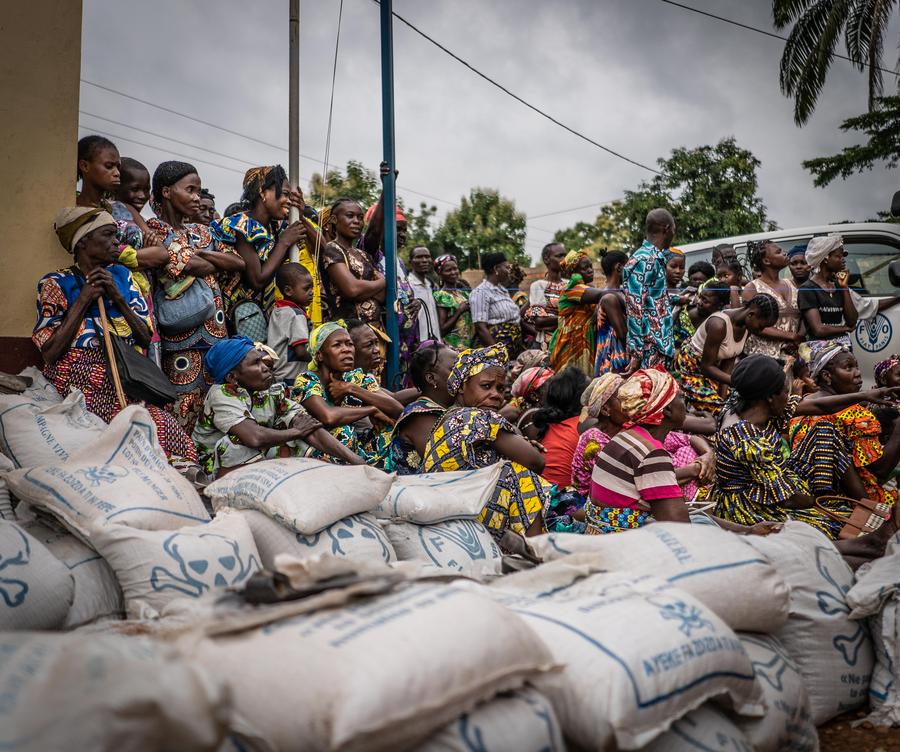
Experts said the continent’s ability to cope with another major climate shock has been weakened by ongoing conflicts, rising debt burdens and cuts in international aid.
The AfDB identified Sudan, South Sudan, the Democratic Republic of the Congo, Somalia, Mali, Burundi and Nigeria among the countries that could face the most severe impacts if a super El Niño develops.
Climate experts said strengthening resilience, improving early warning systems and investing in adaptation measures will be critical to reducing the long-term economic and humanitarian consequences of the extreme weather event.