
Twenty migrants deported from the United States have arrived in Liberia under a new agreement allowing up to 1,200 third-country nationals to be transferred there…reports Africa Daily News Desk
Twenty migrants deported from the United States have arrived in Liberia under a new agreement that could see up to 1,200 people transferred to the West African country over the next year, raising concerns among immigration lawyers about the rights of people sent to countries they do not call home.
The first group of 20 migrants arrived at Roberts International Airport outside Monrovia on Thursday, August 20, marking the start of the arrangement between Liberia and the US.
Liberian authorities said the people being transferred are third-country nationals from African and Western Hemisphere countries who are medically authorised to travel. Some may seek asylum in Liberia, while others will be free to leave the country if they choose.
The agreement is based on an exchange of notes between the two governments dated September 4 and September 10, 2025. Under the arrangement, Liberia intends to receive up to 1,200 people from the US within a year.
The programme forms part of a broader immigration policy under US President Donald Trump that has involved transferring some deportees to third countries instead of returning them directly to their countries of origin.
The Liberian government said those arriving in the country are not criminals and are not being prosecuted under either US or Liberian law.
They will instead be received as guests of Liberia, according to the government, which said the country would provide support during their stay.
Liberia also said those who wish to remain in the country would be allowed to apply for asylum under Liberian law.
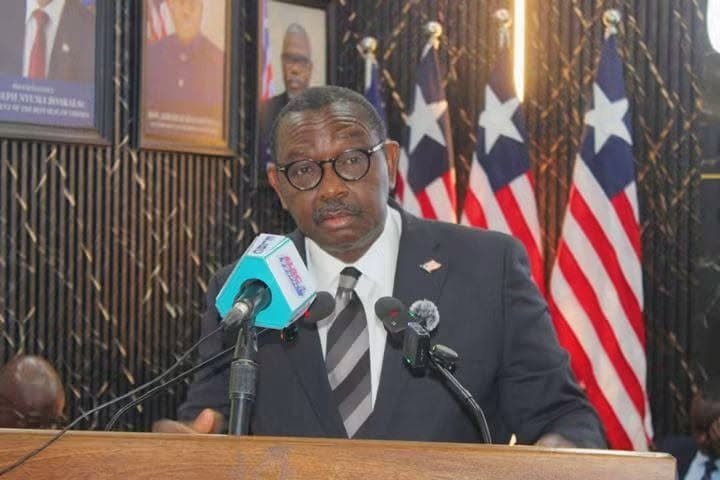
“The Government of Liberia intends to provide the transferred persons with the necessary support to seek protection in Liberia and to be safe during their stay here,” it said.
The government stressed that the arrangement was not based on a financial exchange or other quid pro quo.
“Liberia has not demanded or received any compensation or promise of reward in exchange for its consent to participate in the program,” it said.
The country said it would receive support to manage the programme and strengthen its wider migration system, but described its participation as humanitarian.
The arrangement has prompted concern from immigration lawyers and rights advocates over the treatment of deportees who may have no connection to Liberia. The transfer of people to third countries has become an increasingly contentious part of US immigration enforcement, particularly where deportees may face uncertainty over their legal status and future destination.
Liberia defended the agreement by pointing to its long history of providing refuge to people fleeing conflict and persecution.
The government noted that Liberia was founded as a settlement for freed slaves from the United States and elsewhere, with the country’s name derived from the Latin word “liber”, meaning “free”.
It also highlighted Liberia’s role as a refuge for African freedom fighters during the period of European colonial rule, saying the country had historically offered shelter to people facing political crises and conflict.
The government said accepting third-country nationals who cannot return to their countries of origin was consistent with that tradition.
“In this case where Liberia has agreed to receive persons transferred from the United States, our decision to accept them is in keeping with existing Liberian tradition,” it said.
Liberian authorities said the migrants would be allowed to leave the country if they wished and would not be treated as people facing criminal proceedings.
The government also called on Liberians and residents to welcome the arrivals and treat them with respect.
“The Government of Liberia calls on our citizens and residents to treat those being transferred to Liberia with due courtesy and to accord them our true African hospitality,” it said.
The arrival of the first 20 migrants now puts the agreement into operation, with Liberia potentially set to receive hundreds more from the US over the coming year.