

African tourism operators are intensifying efforts to attract Chinese travellers as the continent seeks to tap into China’s expanding outbound tourism market. At Africa’s Travel Indaba 2026 in Durban, industry leaders focused on visa reforms, digital promotion and tailored travel experiences to boost tourism links with China…reports Asian Lite News Desk
Chinese and African tourism operators explored new partnerships and business opportunities at the recently concluded Africa’s Travel Indaba 2026 in Durban, as destinations across the continent stepped up efforts to attract travellers from China’s growing outbound tourism market.
The May 12 to 14 trade exhibition, held in the South African coastal city of Durban, brought together exhibitors, airlines, tour operators and government officials from across Africa. Discussions focused on visa facilitation, customised tourism products and expanding tourism cooperation with China.
Speaking at the opening ceremony, Cyril Ramaphosa described tourism as both a vibrant expression of national identity and a major driver of economic growth for African countries.
He urged African nations to improve regional connectivity, facilitate intra-African travel and strengthen engagement with international markets such as China to maximise tourism’s economic potential.
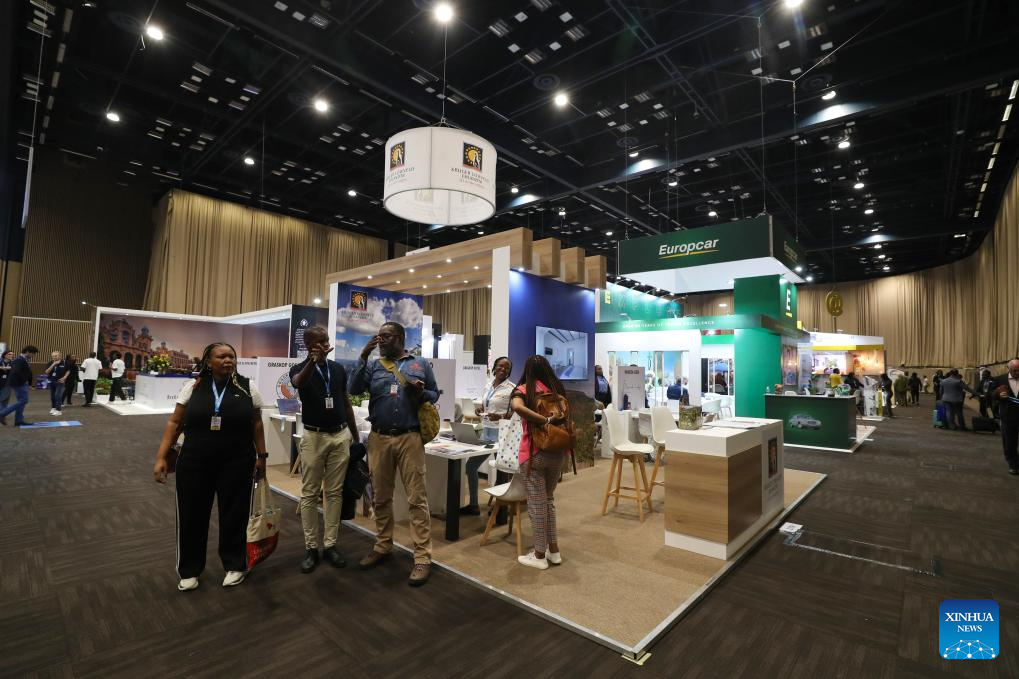
The exhibition featured tourism offerings ranging from luxury rail journeys and international airlines to hotel chains and destination management companies. Exhibitors promoted services linked to local ground operations, route planning and destination marketing.
Held under the theme “Unlimited Africa: Growing Africa’s Tourism Economy,” the event attracted 1,225 exhibitors from 22 African countries and nearly 1,000 buyers from more than 40 countries and regions.
National pavilions from countries including Namibia, Angola, Gabon and Mauritius showcased tourism experiences such as desert expeditions, rainforest ecotourism and island holidays.
Speaking to Xinhua, Basilio Muhate said Mozambique views tourism as a key pillar of economic diversification, highlighting the country’s 2,700 kilometre coastline and extensive tourism assets.
He said China’s outbound tourism market held “enormous potential” and noted that Mozambique had introduced visa facilitation measures and digital tourism initiatives aimed at attracting more Chinese visitors.
Gcobani Mancotywa, regional general manager for Asia, Australasia and the Middle East at South African Tourism, said China remains an important source market for South Africa’s tourism industry.
He said the organisation had launched official accounts on major Chinese social media platforms including Xiaohongshu, Weibo and Douyin to promote South Africa’s natural landscapes and cultural diversity.
Mancotywa added that South African Tourism plans to expand digital marketing campaigns and deepen partnerships with airlines, tour operators and travel agencies to create more customised products for Chinese tourists.
In 2025, South Africa introduced visa facilitation measures including the Trusted Tour Operator Scheme and an electronic travel authorisation system to simplify visa applications for Chinese visitors.
According to South African Tourism, around 45,000 Chinese tourists visited the country in 2025, with arrivals expected to exceed 50,000 this year.
A total of 35 representatives from China’s tourism industry attended this year’s event.
Liu Yina, founder and chief executive officer of WTA Travel, said Africa’s combination of natural scenery and cultural experiences is increasingly appealing to Chinese travellers seeking immersive tourism rather than conventional sightseeing.

She noted that activities such as birdwatching tours and safari camping are becoming more popular among Chinese tourists.
Qiu Yan, product manager for the Africa region at Shanghai-based Youpai Travel, said interest among Chinese travellers in long haul African tourism has grown steadily in recent years, highlighting the market’s strong growth potential.
She said attending the trade show provided an opportunity to explore emerging tourism trends such as culinary tourism and shark cage diving, which could help create more distinctive travel experiences for Chinese visitors.