
Kinshasa and rebel leaders sign framework accord amid ongoing violence and uncertain path to implementation
The Democratic Republic of Congo and the M23 rebel group have signed a framework agreement intended to halt the fighting in eastern Congo, where months of escalating violence have killed thousands of people and displaced hundreds of thousands more. The accord, concluded at a ceremony in Doha, marks the latest attempt by international mediators to bring an end to a decades-long conflict that has repeatedly threatened to spill across borders and draw in the wider Great Lakes region.
Representatives from both sides signed the document in the Qatari capital during a formal ceremony attended by diplomats from the United States and Qatar, who have played a central role in shepherding the talks. The agreement is one of several negotiated in recent months as part of a push to create a political and security framework capable of underpinning a durable settlement in eastern Congo.
US and Qatari officials described the signing as an important step, while cautioning that the road ahead remains long and uncertain. The top US envoy to the region, Massad Boulos, said the framework contained eight protocols covering areas ranging from prisoner exchanges and ceasefire monitoring to political integration and future security guarantees. However, he stressed that only two of the protocols had made tangible progress so far, and that the implementation of the remaining six required further negotiation.
Boulos acknowledged the slow pace of progress in recent weeks, particularly on the initial protocols designed to create confidence between the Congolese armed forces and M23. “Yes, they were a little bit slow in the first few weeks,” he told reporters after the ceremony. “Yes, people were expecting to see probably some immediate results on the ground, but this is a process… This is not a light switch that you just switch on and off.”
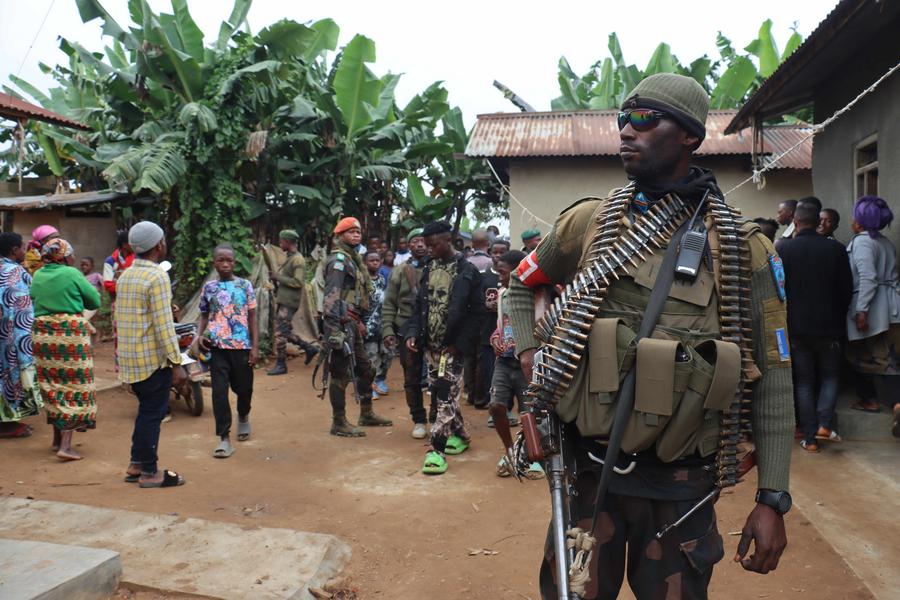
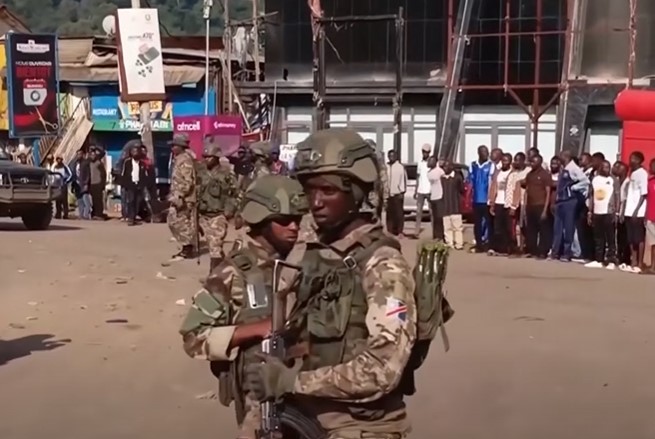
The Doha talks have taken place against the backdrop of continued fighting across large parts of North Kivu and South Kivu, where the M23 rebellion has captured more territory than at any time in its history. Backed by neighbouring Rwanda, according to Congolese and UN officials, the group has mounted a series of advances since seizing Goma, the largest city in eastern Congo, earlier in the year. Rwanda has repeatedly denied providing military support to the rebels, even as analysts and foreign governments have pointed to evidence of cross-border assistance.
The deteriorating security situation has further complicated the diplomatic process. Local officials in eastern North Kivu reported that Islamic State-allied militants killed as many as 28 people in a separate attack, underscoring the multiplicity of armed groups in the region and the difficulty of achieving a comprehensive ceasefire. While the Doha negotiations have focused primarily on M23 and the Congolese government, numerous other militias continue to operate across the region, often vying for territory, resources and influence.
Qatar has hosted several rounds of direct talks between the rebels and Kinshasa since April. These sessions have largely centred on preconditions for broader negotiations, including prisoner exchanges, humanitarian access and commitments to limit offensive operations. In July, the two sides reached a declaration of principles that set out broad objectives for a peaceful settlement but left many substantive questions unanswered. A further agreement in October focused on the monitoring mechanisms for an eventual ceasefire, though violence on the ground has persisted nonetheless.
Qatar’s Minister of State for Foreign Affairs, Mohammed bin Abdulaziz Al-Khulaifi, said the new framework was a meaningful step toward resolving a conflict that has destabilised the region for decades. “Peace cannot be enforced by force, but is built through confidence, mutual respect and sincere commitment,” he said, urging both sides to carry their pledges into the next phases of negotiations.
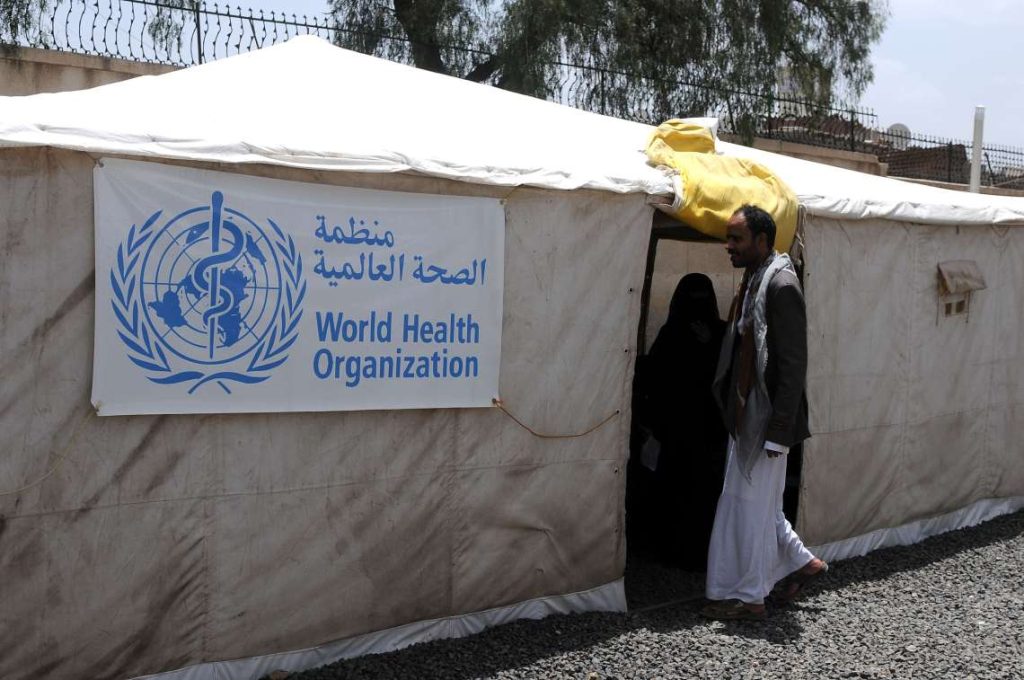
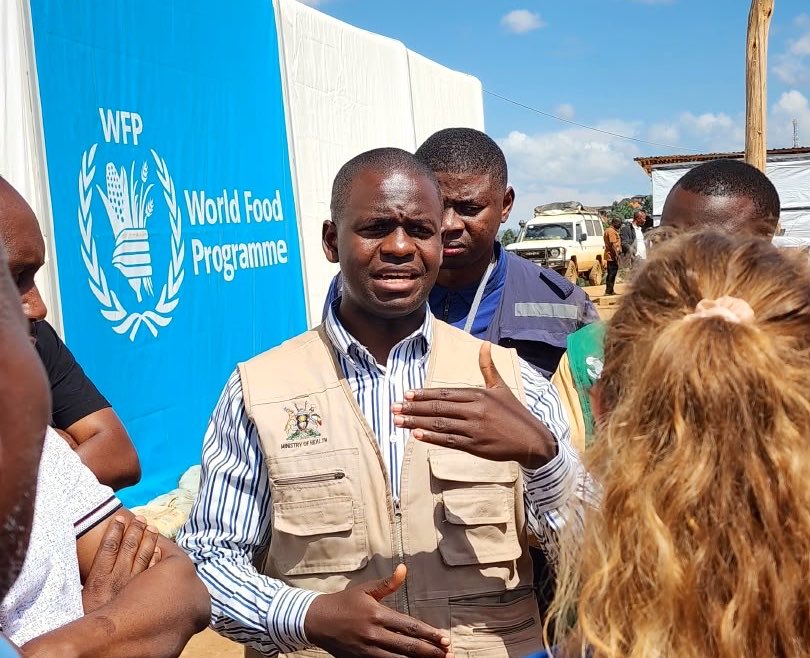
Despite cautious optimism among mediators, the challenges remain formidable. Diplomats familiar with the talks say that key political and security issues—such as the future status of M23 fighters, the reintegration of rebel commanders, and Rwanda’s role in eastern Congo—have yet to be resolved. The humanitarian situation also continues to worsen, with displaced people crowding into makeshift camps around Goma and aid agencies warning of rising levels of malnutrition and disease.
Analysts note that previous agreements with armed groups in eastern Congo have frequently collapsed due to lack of trust, competing regional interests and failures in enforcement. The complexity of the conflict, involving a mix of local grievances, regional rivalries and control over mineral-rich territories, makes durable peace difficult to achieve without wide-ranging political reforms and sustained international engagement.
Still, the signing in Doha provides a rare moment of convergence between the Congolese government and a rebel group that has long been among the most militarily capable in the region. It offers at least a tentative framework through which further negotiations may proceed, even as violence continues on the ground.
Whether the new agreement can reverse the deteriorating situation in eastern Congo will depend on the willingness of both sides to implement the protocols and on the capacity of regional and international actors to support enforcement. For now, the signing represents another step in a long and uneven journey toward ending one of Africa’s most protracted conflicts.