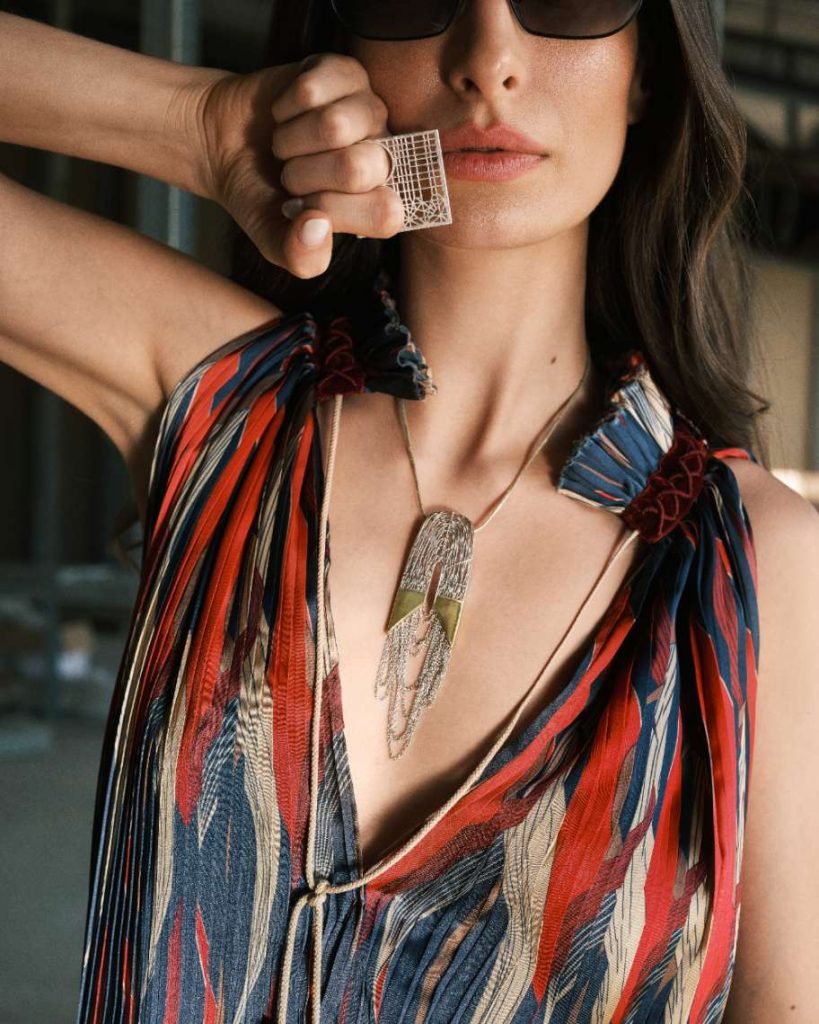
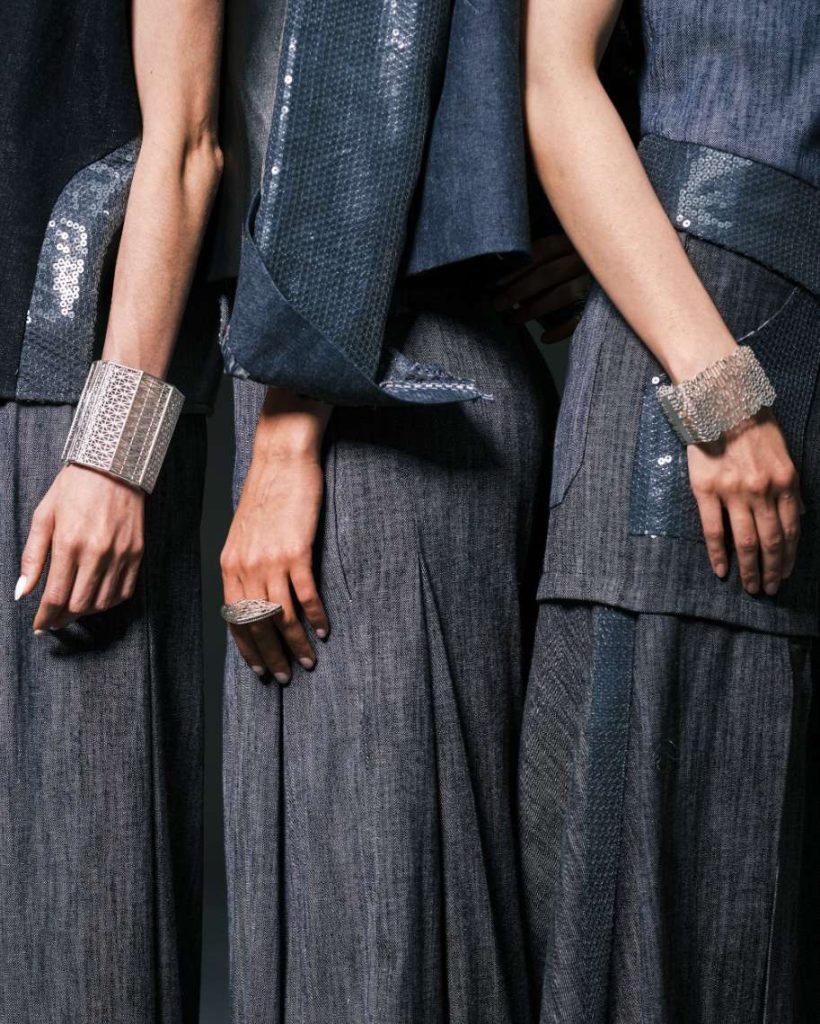
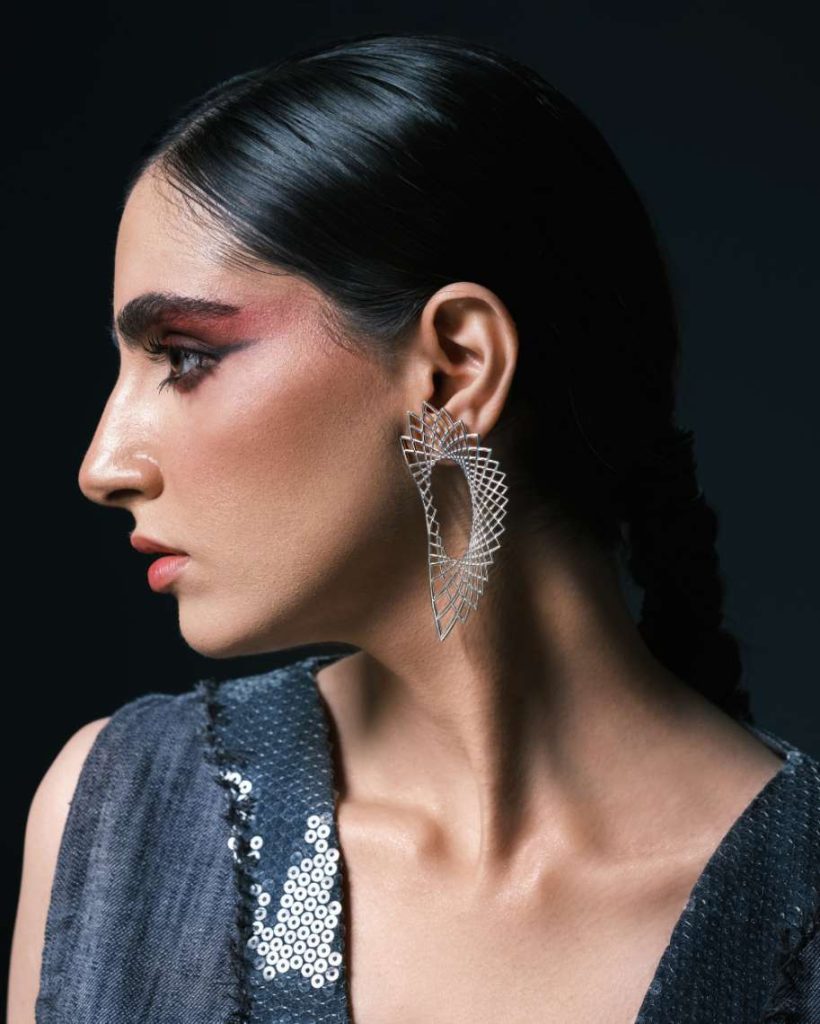
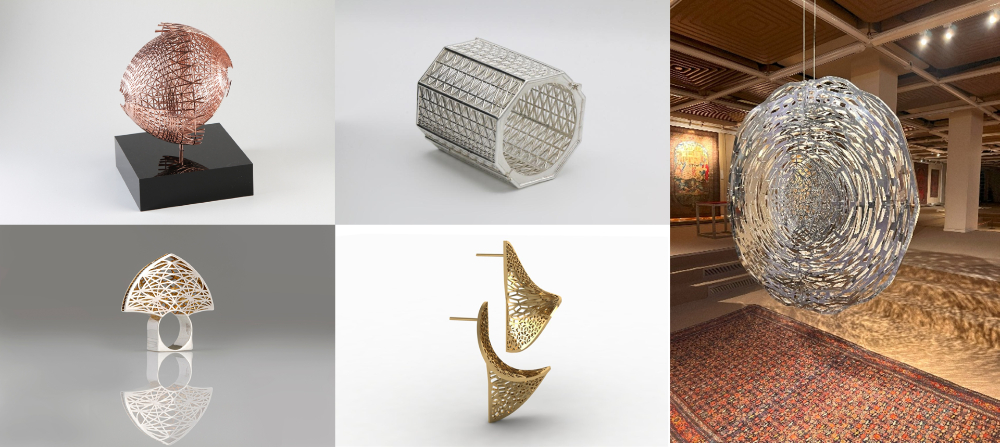
For Iranian artist and designer Banafsheh Hemmati, geometry is more than an aesthetic code — it is a system of renewal it is the code of Islamic Art. Through her meticulous synthesis of art, design, and philosophy, Hemmati redefines not just the form of objects, but the very value of creation itself. Her work signals a turning point in how Iranian artistry can evolve — fusing traditional craft with conceptual design to rebuild Iran’s creative economy which has been long stifled of recognition and global visibility … writes Soniya Kirpalani, Images & Video Santosh Rai
For Iranian artist and designer Banafsheh Hemmati, geometry is more than an aesthetic code — it is a system of renewal it is the code of Islamic Art. Through her meticulous synthesis of art, design, and philosophy, Hemmati redefines not just the form of objects, but the very value of creation itself. Her work signals a turning point in how Iranian artistry can evolve — fusing traditional craft with conceptual design to rebuild Iran’s creative economy which has been long stifled of recognition and global visibility.
From Philosophy to Form
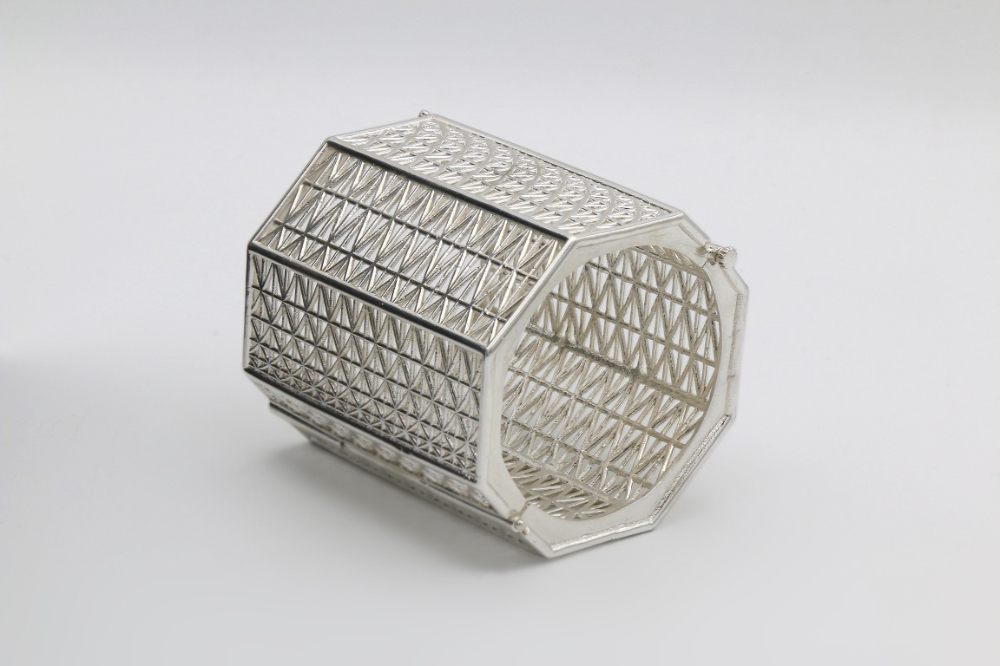
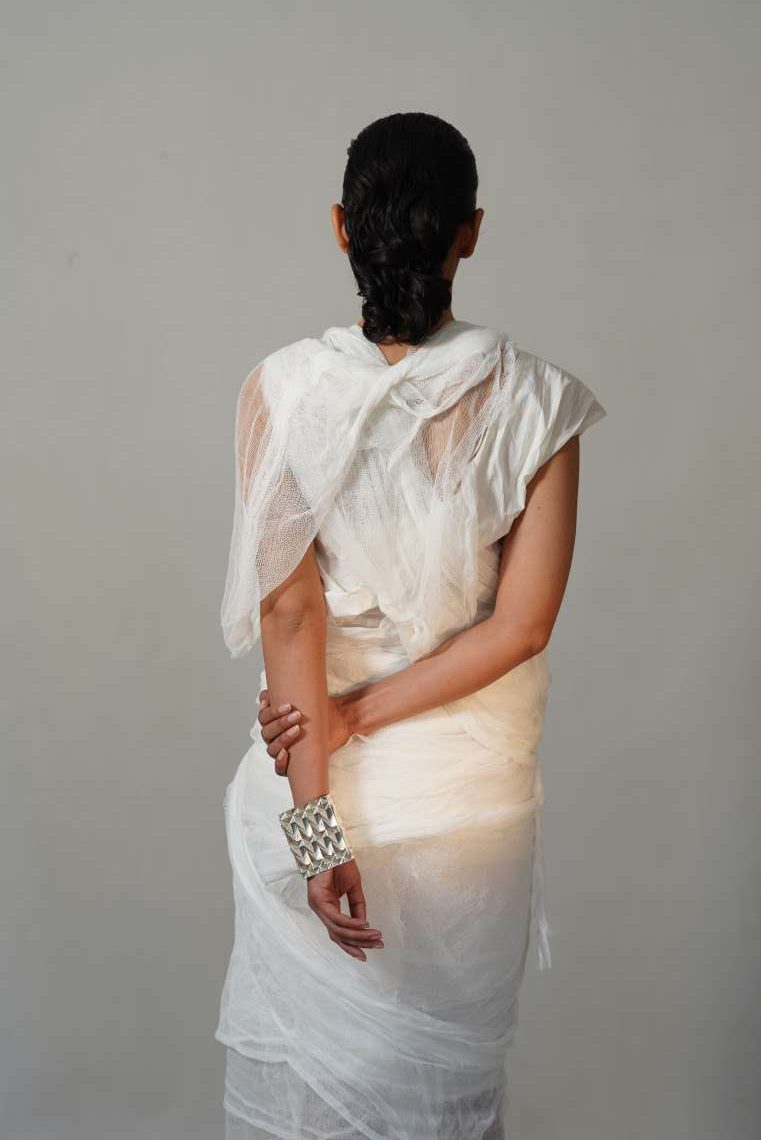
Hemmati’s journey bridges rare disciplines, trained in industrial design and holding a PhD in the philosophy of art, she brings an analytical precision to the intuitive act of making of her sculptural jeweler. Both wearable and architectural — emerges from the foundational principles of Islamic geometry, yet she reinterprets these with a profound inversion. In her approach, geometry does not lead toward unity, as in classical Islamic thought, but expands outward from unity into multiplicity. The philosophical method transforms her art into an act of economic imagination: a new model for how intellectual and handcrafted labor can coexist — and thrive — in a global design ecosystem.
Reviving Iran’s Creative Capital
Beyond aesthetics, Hemmati’s practice is an act of economic imagination. Working with Iranian women artisans skilled in metalwork and miniature craft, she repositions their knowledge at the center of a new creative economy. Through collaboration, with local craftspeople, she converts heritage skill into innovation currency — reviving dormant crafts, generating income, and inspiring new cultural ownership.
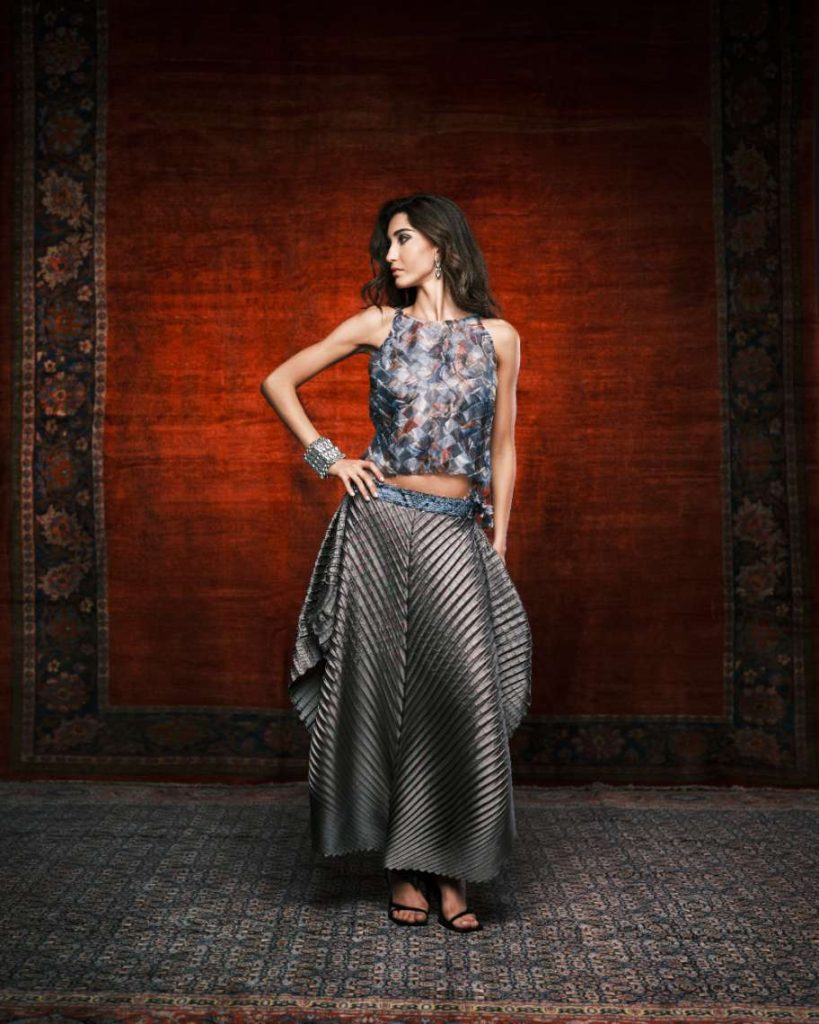
Iran’s creative economy, once built on its globally admired crafts — from metalwork and ceramics to miniature painting and jewelry — has faced decades of disruption. Hemmati’s work offers a blueprint for regeneration. She speaks of balance, belonging, and creative rebirth, especially for the women, by supporting them with a new understanding of industrial design and philosophy of art towards developing thought and form, art and economy.
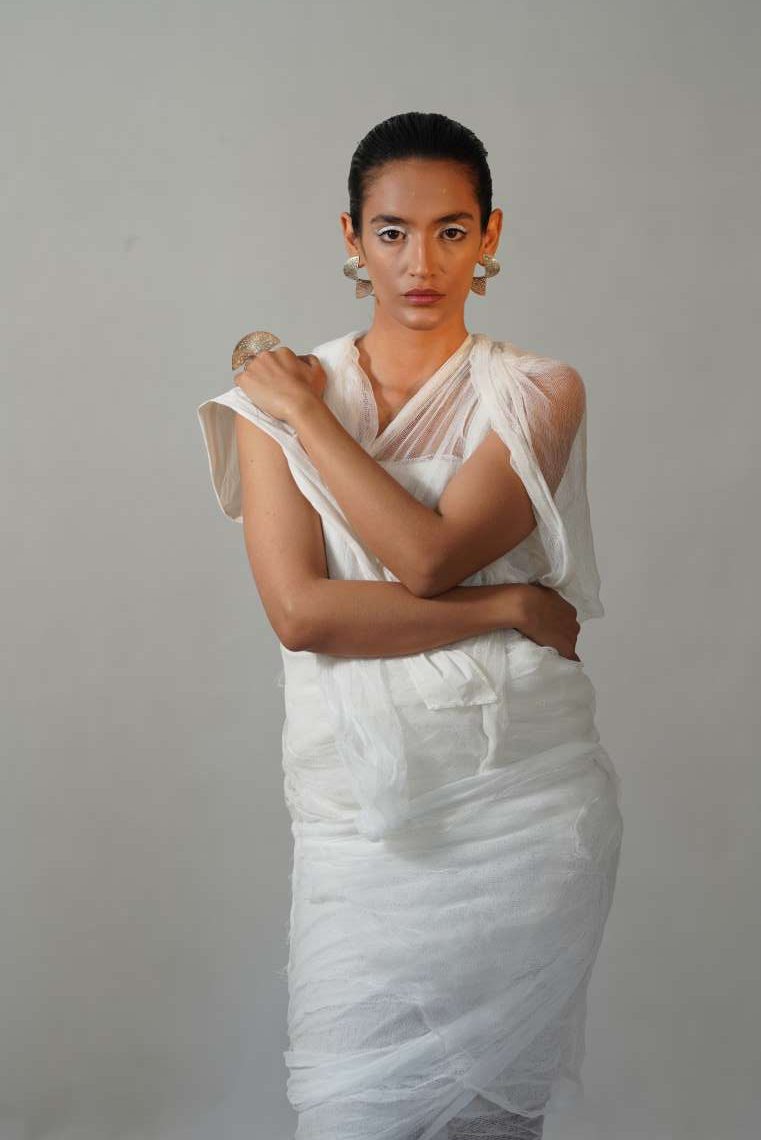
In a country where creative labor has been undervalued, her work restores agency and pride, as she earns the spotlight between Florence and Dubai. It suggests that the revival of Iran’s economy may not come from oil or industry, but from the soft power of craftsmanship and design. Hemmati’s model redefines value—aligning artistry with sustainability and social inclusion. Each piece becomes both a meditation and a manifesto—an exploration of how art can heal what politics divides. Through our images and videos, we share the power of Hemati’s collection at Satellite Gallery DIFC.